Tuesday, December 3, 2019

9 creative font trends for 2020

As we wrap up the final year of the decade, the font trends 2020 are already spelling out a bold, new era of type design. While some designers are embracing technology to innovate fonts, others are mining the past to resurrect and reframe trends for the modern world. This interplay between the past and future gives us plenty of contrast—and plenty of exciting trends to keep an eye out for!

One of the more challenging things about fonts is that they are always shifting on the stage of design between supporting players and leading roles. It’s imperative that designers stay abreast of how font usage is evolving and what trends are coming around the bend to keep fonts and their audience on the same page.

Here we’ve gathered the 9 most exciting typography trends of 2020 along with tips on how you can use them in your next design.

The 9 big font trends for 2020 are:

  1. Humanizing serifs
  2. Round san serifs
  3. Swiss style typography
  4. Rustic fonts
  5. Wide open minimalism
  6. Classical influence
  7. Pixel art fonts
  8. Seventies and eighties fonts
  9. Kinetic fonts

1. Humanizing serifs

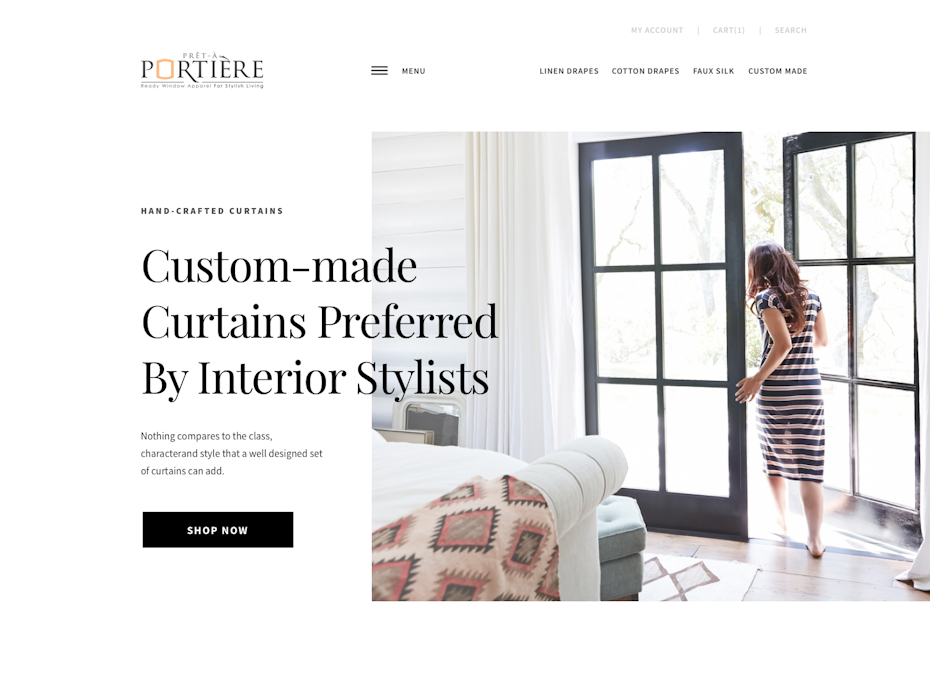
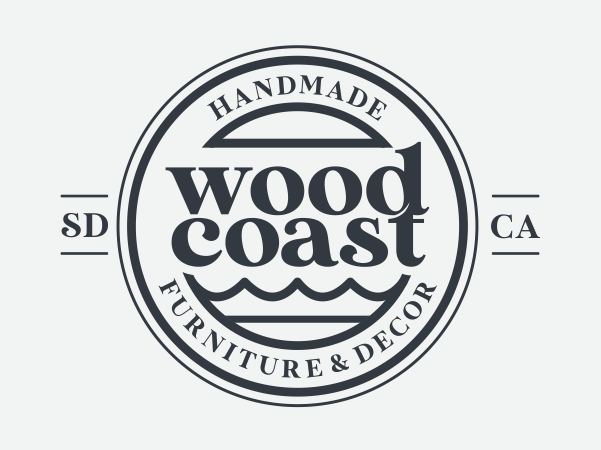
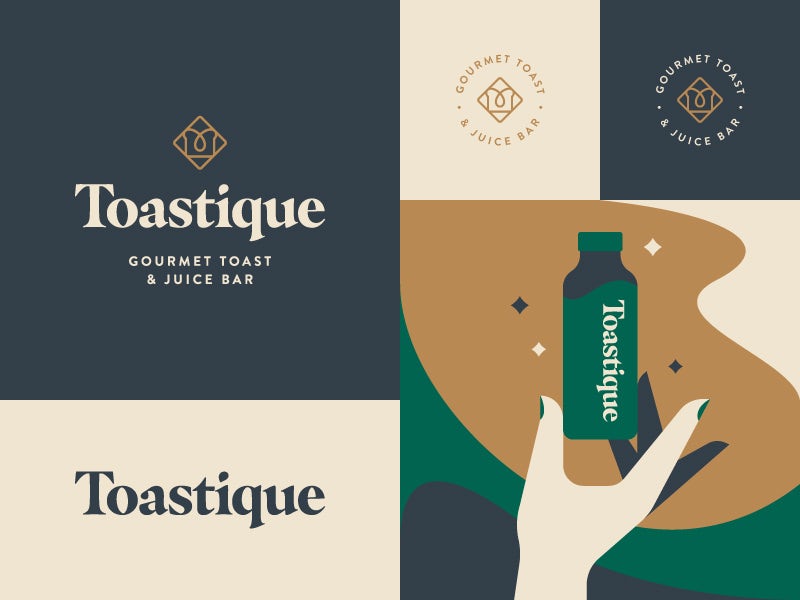
Font trends 2020 example: Serif font for a website header designFont trends 2020 example: Serif font for a website header designFont trends 2020 example: Serif font logo designFont trends 2020 example: Serif font logo design

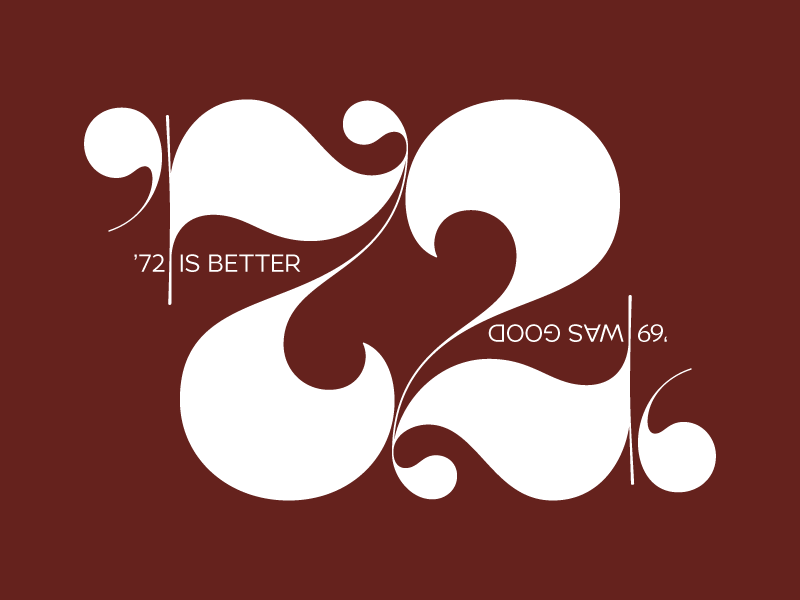
In our digital age, we often gravitate towards sans-serifs because they have always been considered more “modern.” But we’re seeing a marked uptick in brands using bold, high-contrast serifs in their logos and website copy, and we expect this to be a leading trend in 2020.
Font trends 2020 example: Serif font logo designFont trends 2020 example: Serif font logo design

The reason? Serifs are great for storytelling. They feel nostalgic without being stodgy because they connect us to an earlier time before the world was so digital. All of these associations have a deeply humanizing effect for brands that use them.

2. Round sans serifs

Font trends 2020 example: Logo design with round sans serif fontsFont trends 2020 example: Logo design with round sans serif fontFont trends 2020 example: Logo design with round sans serif fontFont trends 2020 example: Logo design with round sans serif font

The trends for sans serifs in 2020 all point to clean and very round. This move toward highly friendly geometrics is popping up in logos for an increasing amount of visible brands like AirBnB, Google and Spotify. While there is a risk rounded sans serifs can read childish, these fonts instead project simplicity and straightforwardness.
Font trends 2020 example: Logo design with round sans serif fontFont trends 2020 example: Logo design with round sans serif font

The Cuppa logo is perfect example of branding that feels serious while leaning into a friendly and approachable vibe. These sans serifs are often paired with a bold and playful color palette and are perfect for a business that wants to generate a feeling of trust and positivity.

3. Swiss style typography

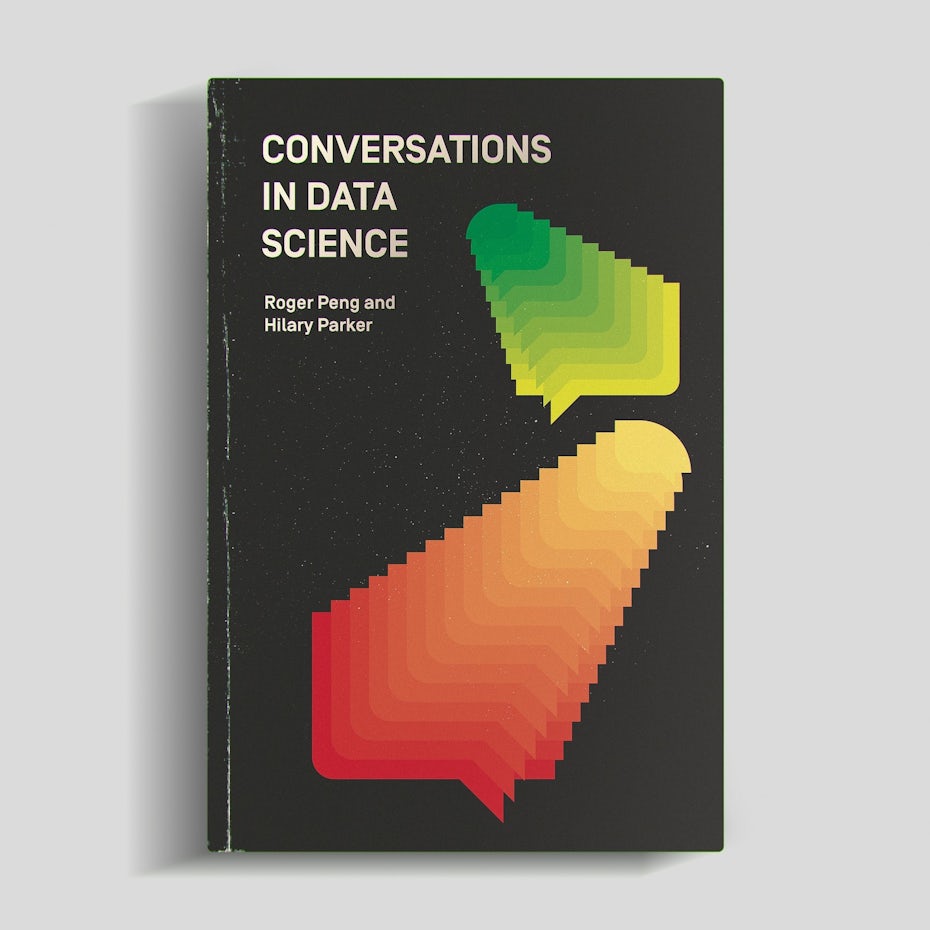
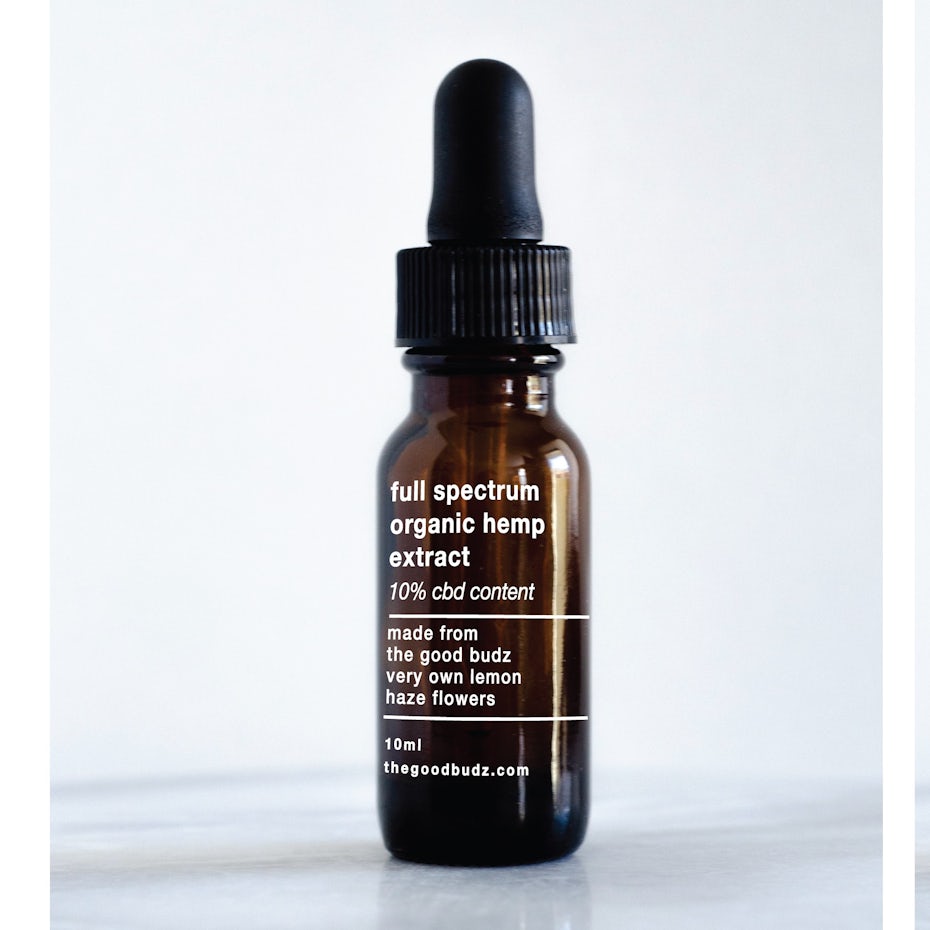
Font trends 2020 example: Book cover design with Swiss style typographyFont trends 2020 example: Packaging design with Swiss style typographyFont trends 2020 example: Logo design with Swiss style typographyFont trends 2020 example: Web page design with Swiss style typography

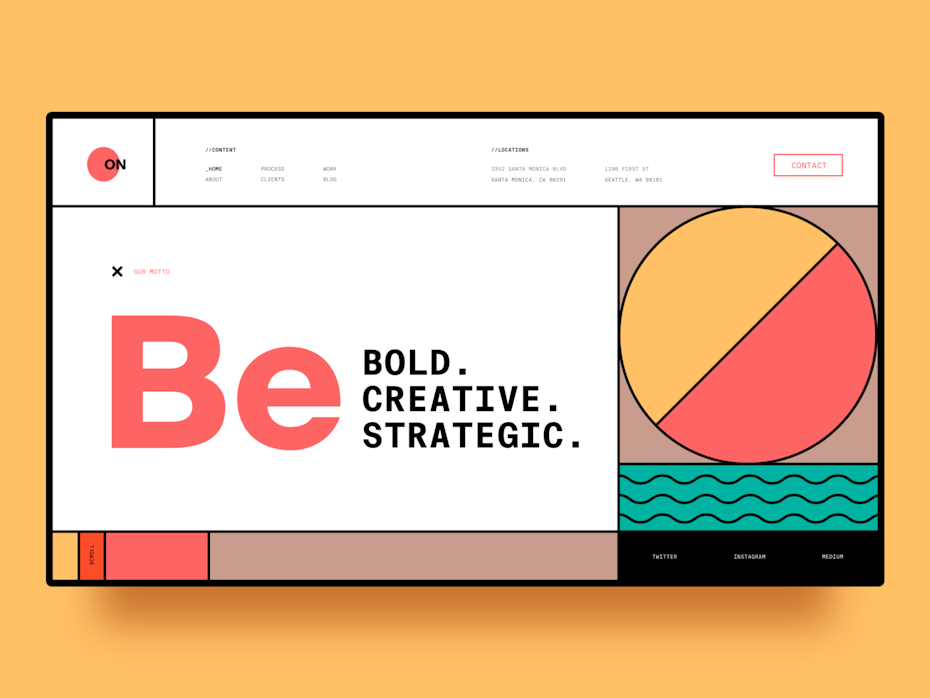
Type designers across the world are attempting to redefine the storied International Typographic Style for the digital age. Swiss style, as it’s informally known, is the design movement that grew out of a handful of iconic designers working in Switzerland in the mid-century and is defined by readability, simplicity and objectivity.
Font trends 2020 example: Web page design with Swiss style typography
By Darion Mitchell via Dribbble

Even though the style was perfected in print (on posters, book covers, pamphlets and other printed collateral), it has shown itself to be incredibly adaptive to our modern age. It’s adherence to grid-based designs with clear, unfussy sans-serif fonts, builds natural and immediate hierarchy and translates well to digital spaces.

Perhaps because we’re inundated with so much information every single day, designers still feel pulled to the Swiss style with its essential tenet that design is at its best when it’s invisible.

4. Rustic fonts

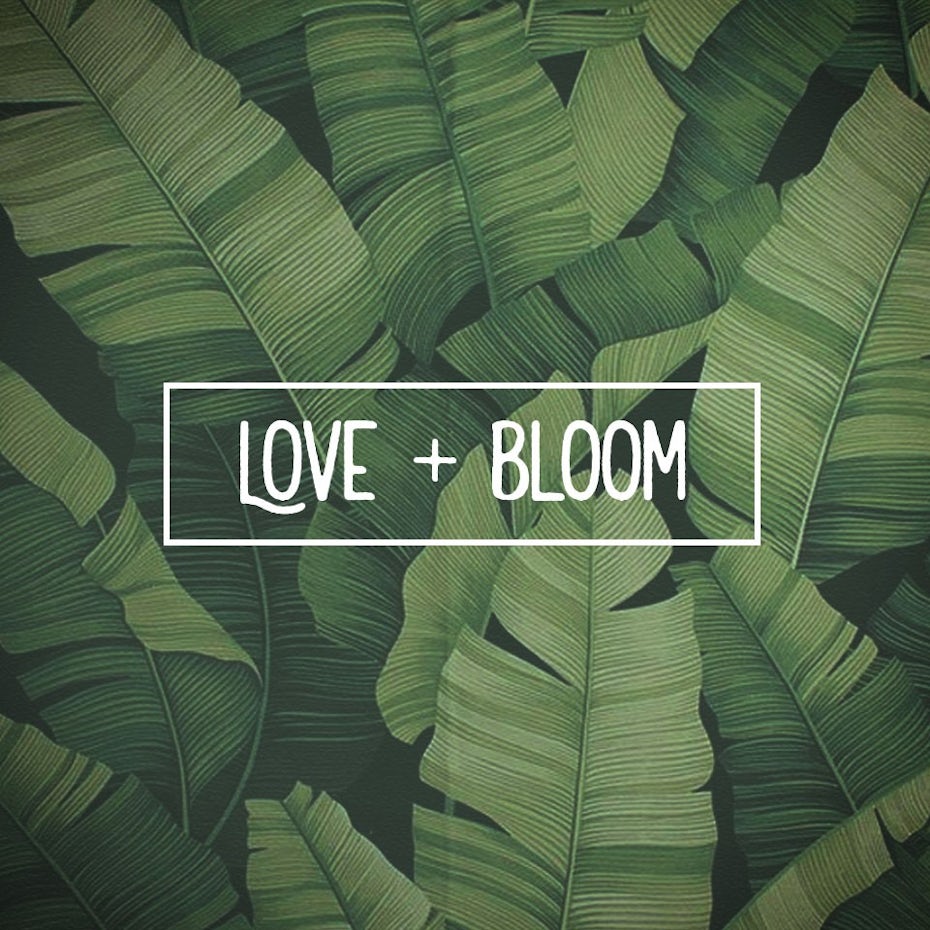
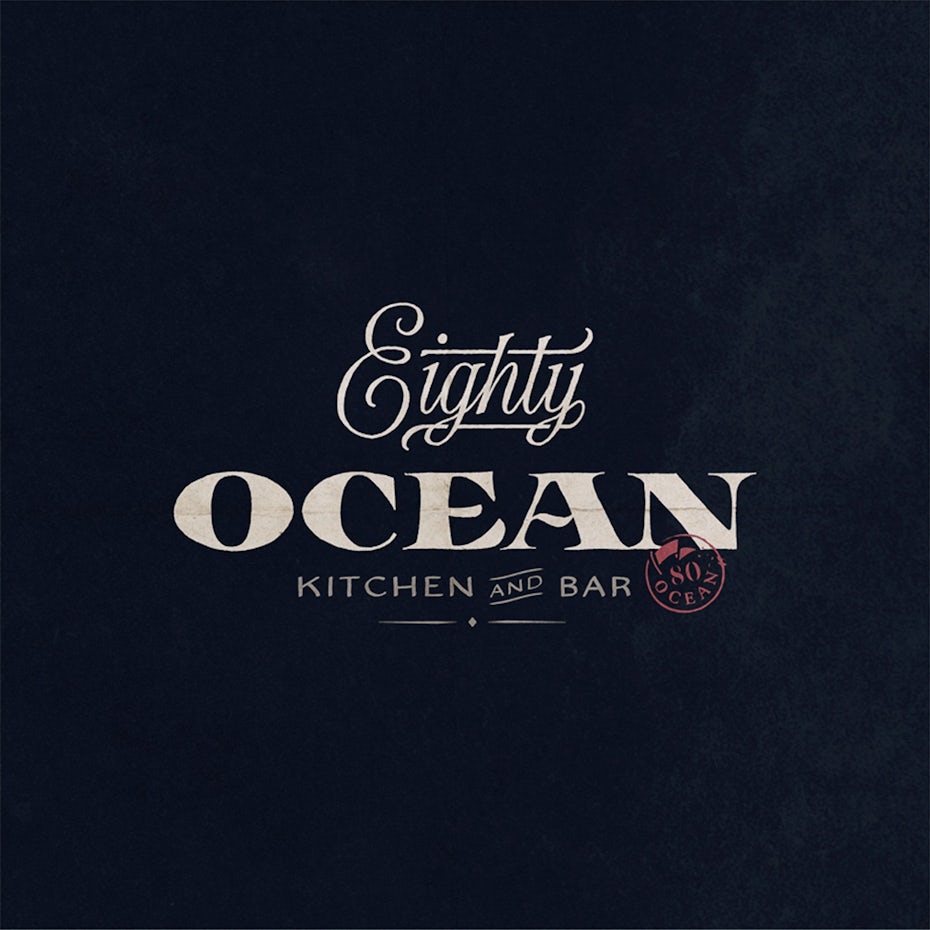
Font trends 2020 example: Logo design with a rustic fontFont trends 2020 example: Logo design with a rustic fontFont trends 2020 example: Logo design with a rustic fontFont trends 2020 example: Logo design with a rustic font

Over the last few years, handwritten script fonts have exploded, with thousands of highly customized typefaces becoming available. While the popularity of hand-lettered scripts will likely never fade entirely, we’re beginning to see that level of customization in non-script typefaces.
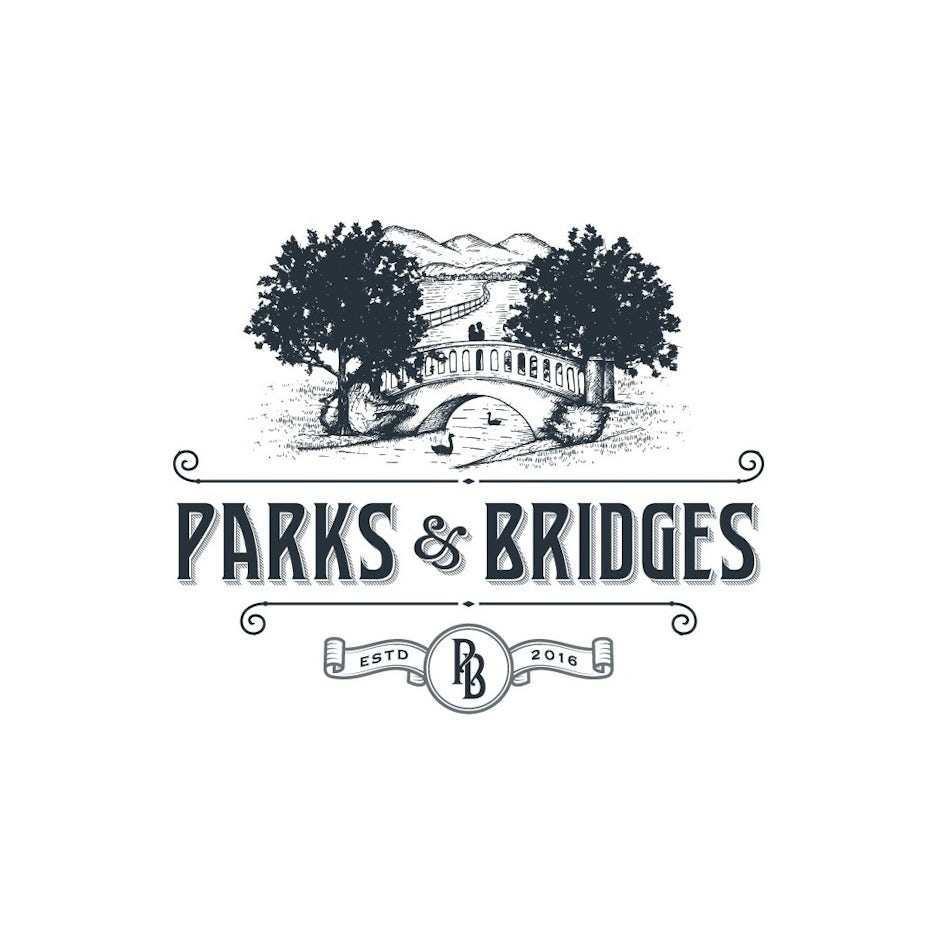
Font trends 2020 example: Logo design with a rustic fontFont trends 2020 example: Logo design with a rustic font

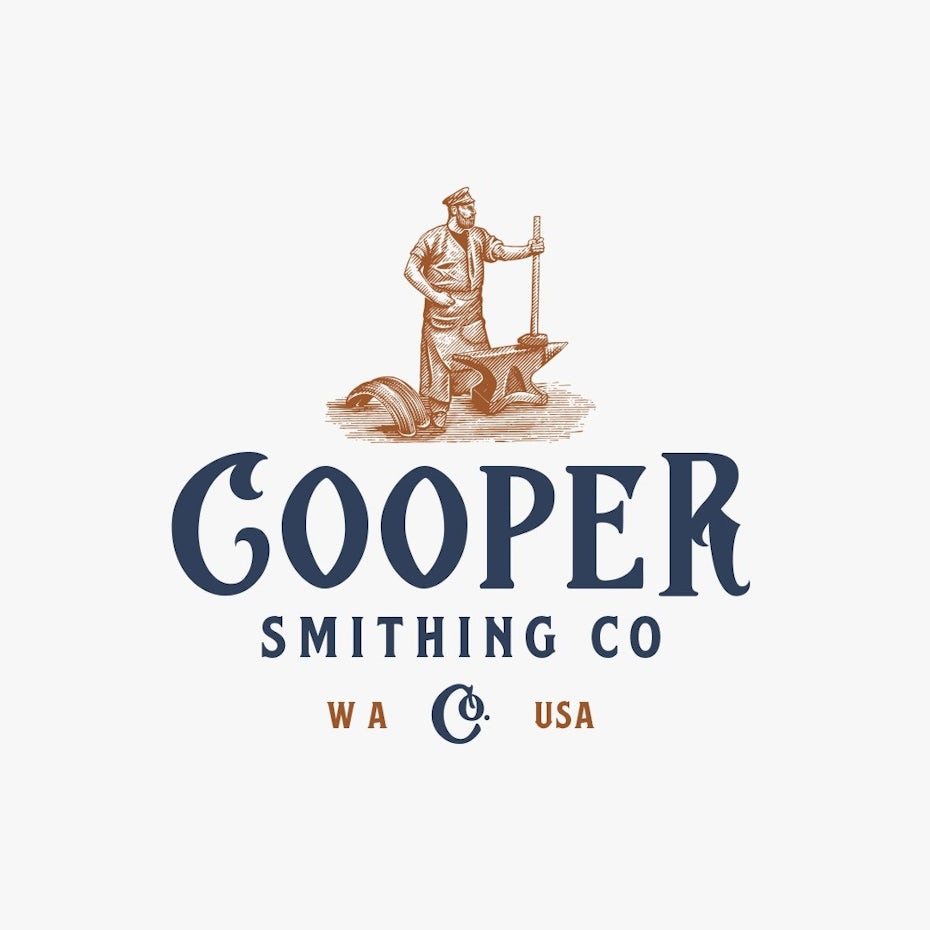
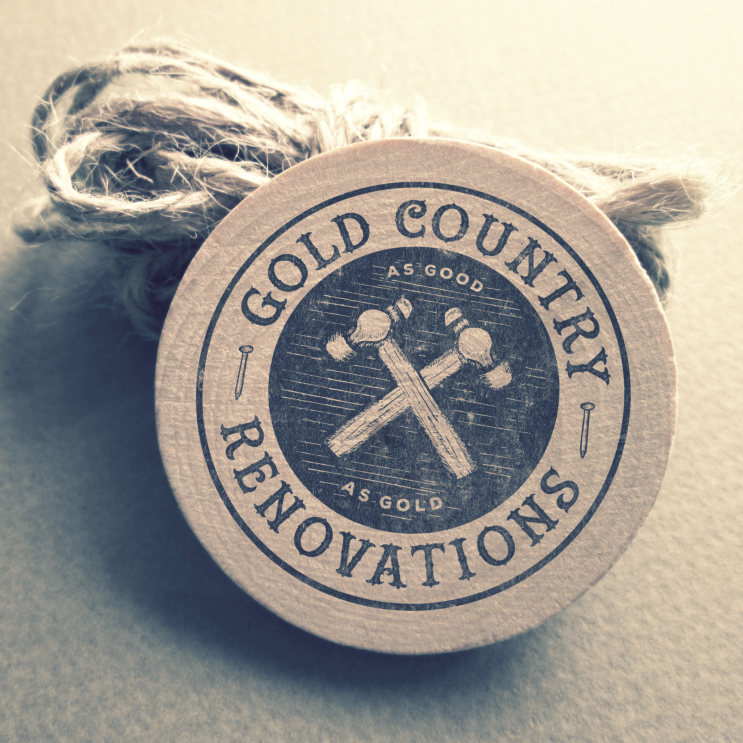
These new bespoke typefaces often fall into the slab and serif families and are popping up in branding for breweries, farms, bakeries and other traditional industries. While the font in the Gold Country Renovations logo feels familiar, its extra-wide Tuscan serifs make it fresh and authentic, and its line weight feels perfectly tied into the custom illustration of the logo.

5. Wide-open minimalism

Font trends 2020 example: Wordmark logo design with wide kerningFont trends 2020 example: Wordmark logo design with wide kerningFont trends 2020 example: Wordmark logo design with wide kerningFont trends 2020 example: Wordmark logo design with wide kerning

Many type designers are experimenting with negative space and removing the eyes and crossbars of letterforms to create more expansive shapes. Despite the minimalist nature of this approach, it has the effect of strengthening the font and heightening the sense of importance of each letter by granting plenty of breathing room. The resulting font becomes both airy and bold.

by Nathan Riley via Dribble

When executed well, fonts like these can give the viewer a thrill of being able to solve the puzzle of the missing pieces of type. More broadly, these letterforms are design-forward, sleek and open—inviting the viewer into a feeling of limitless possibility.

6. Classical influence

Font trends 2020 example: Logo design with a classical fontFont trends 2020 example: Logo design with a classical fontFont trends 2020 example: Logo design with a classical fontFont trends 2020 example: Logo design with a classical font

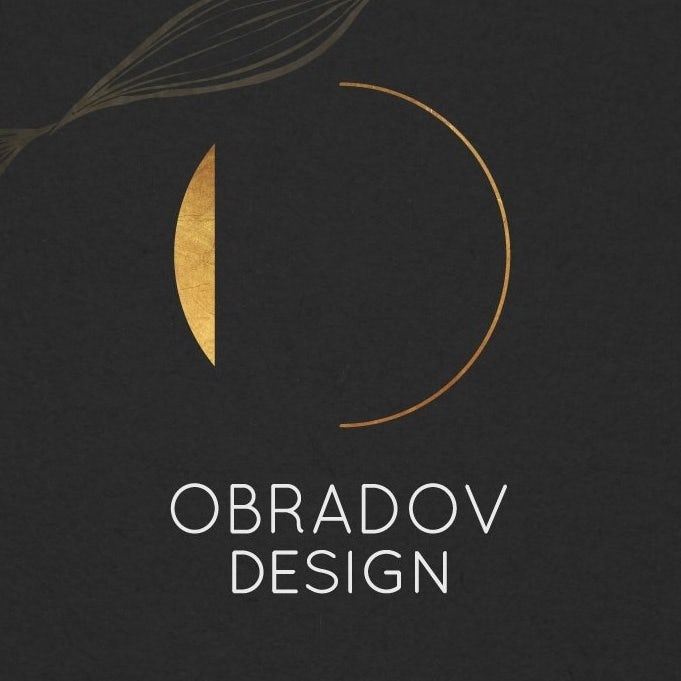
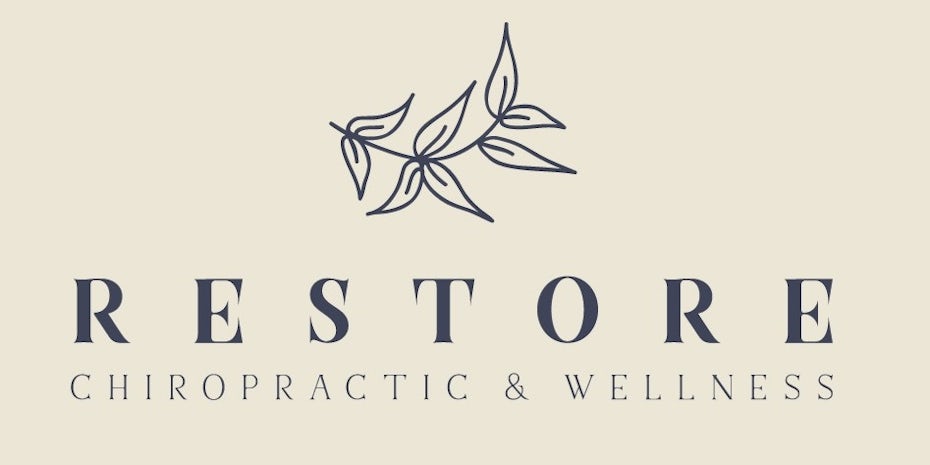
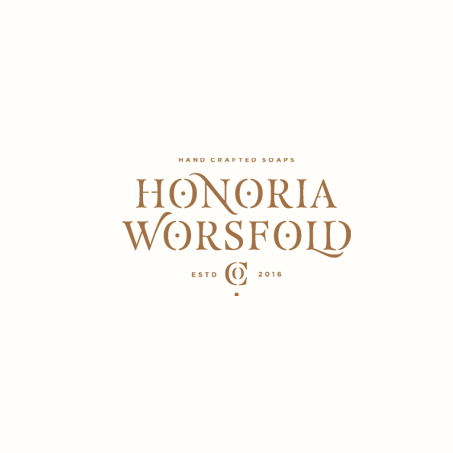
Particularly in logo design, there has been a marked return to more classical typefaces. These delicate and refined fonts employ small serifed slabs or light serifs to exude warmth and luxury. They feel incredibly fresh for their lack of showiness and integrate beautifully into illustrated logomarks.

In direct contrast to the popularity of heavy sans-serifs and bombastic serifs, this trend asks us to enjoy a moment of quiet repose. Often these fonts are in compositions that lean botanical and seem pulled directly from the beauty of the natural work.

7. Pixel art fonts

Font trends 2020 example: Logo design with pixel art fontFont trends 2020 example: Logo design with pixel art fontFont trends 2020 example: Logo design with pixel art fontFont trends 2020 example: Logo design with pixel art font

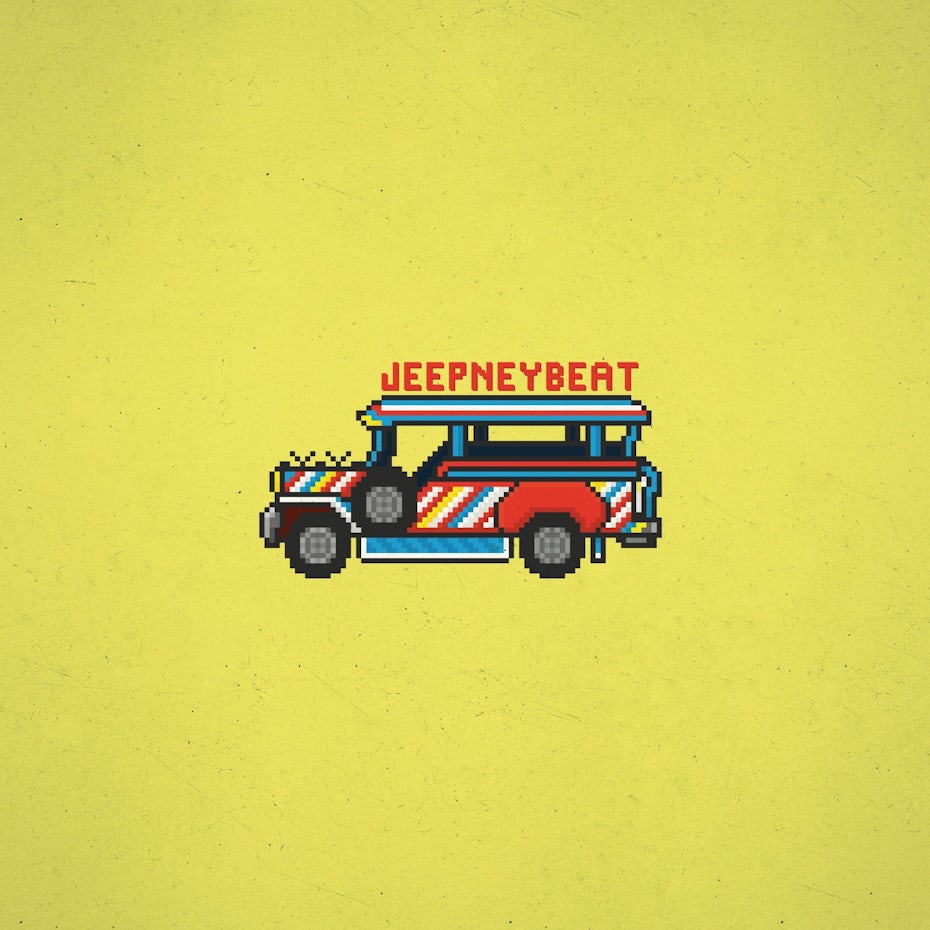
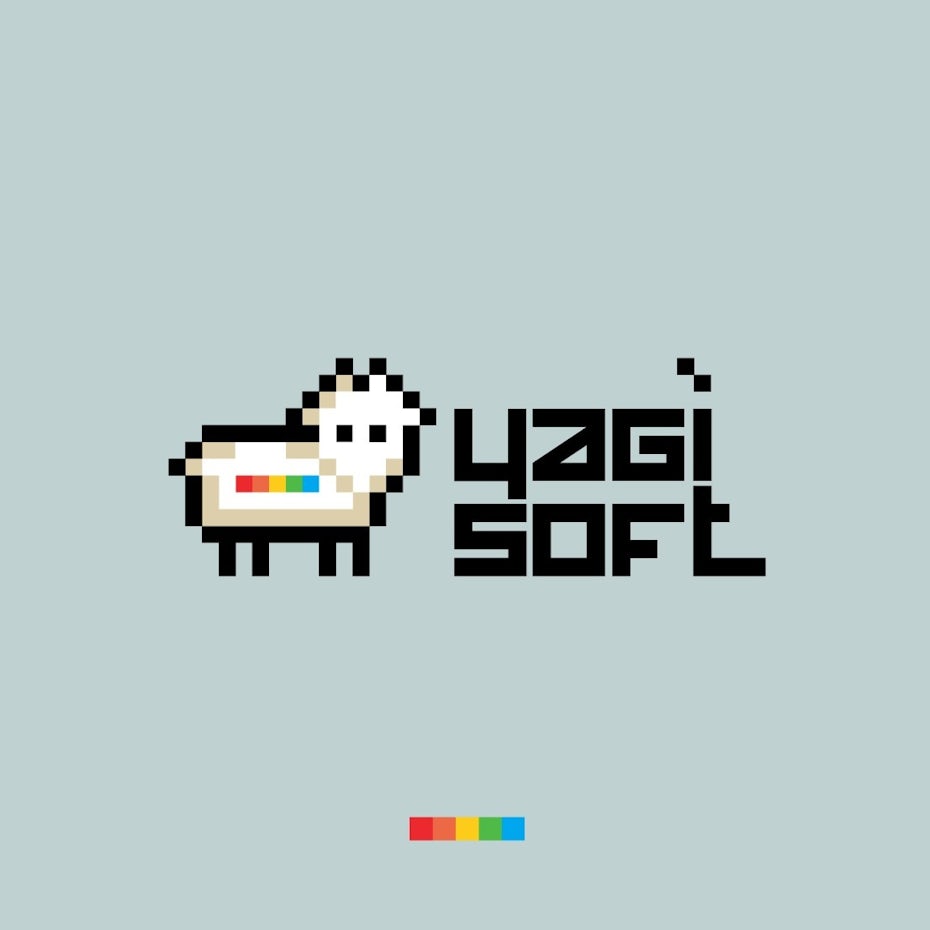
Pixel art evolved from the 2D computer graphics of the 70s through the 90s, and now in 2020 pixel style fonts are again having their moment. While these fonts are fun and whimsical, they’re being used far outside of just video game inspired designs.
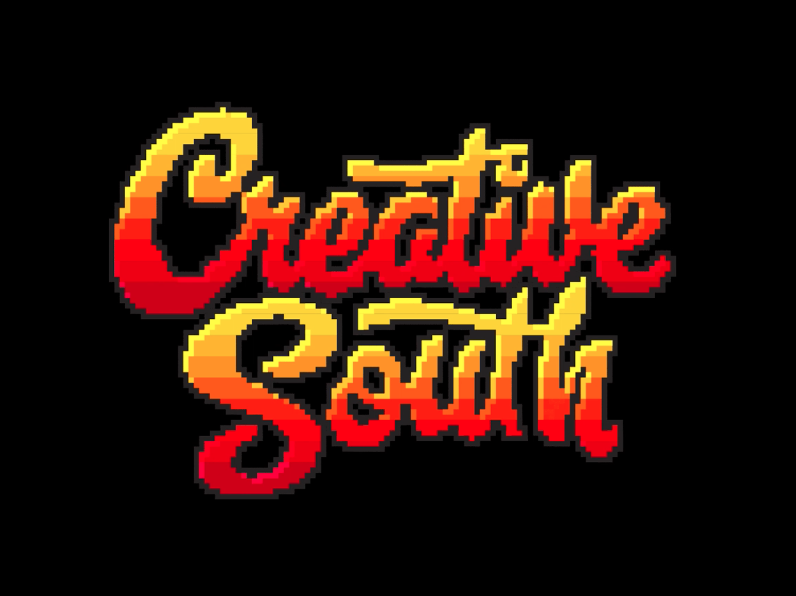
Font trends 2020 example: pixel font
By Andrew Hochradel via Dribbble
Font trends 2020 example: Logo design with pixel art fontFont trends 2020 example: Logo design with pixel art font

We’re seeing pixel art fonts pop up in logos for bars and food trucks as well as poster and packaging designs. And it’s easy to see why: for generations of people who enjoy video games, 8-bit design evokes joy and fun, freedom and possibility. Who doesn’t want more of that feeling in our day to day?

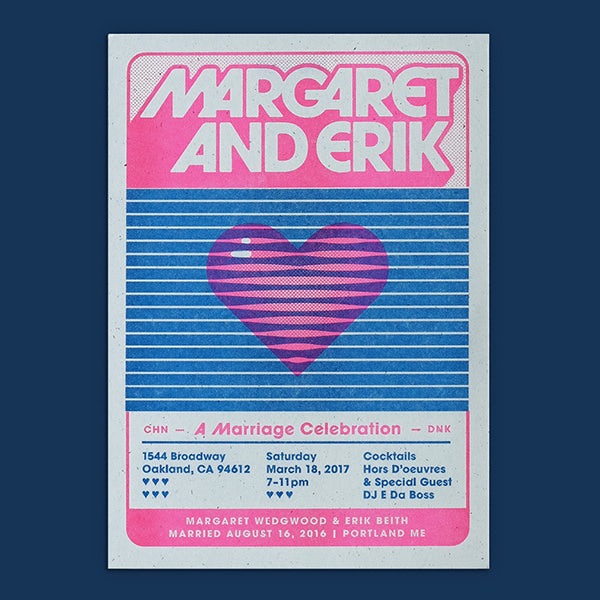
8. Seventies and eighties fonts

Font trends 2020 example: T-shirt design with 70s style fontFont trends 2020 example: Wedding invite design with 70s style fontFont trends 2020 example: Logo design with 70s style fontFont trends 2020 example: Logo design with 70s style font

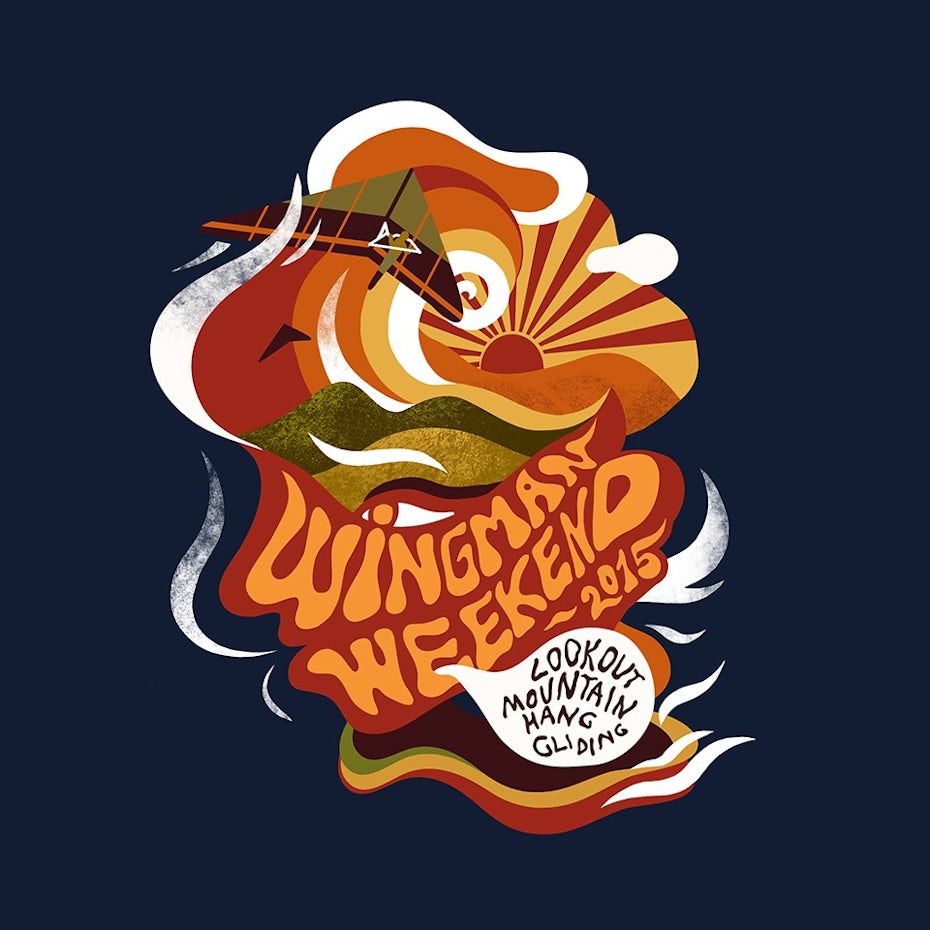
It may have all started with the credits for Stranger Things: once the typeface ITC Benguiat was revived, the Pandora’s Box of late seventies and eighties type was opened. This retro trend goes further than the expected kitschy, neon characters that feel like they were pulled directly from Miami Vice. Instead, it dives deep into Souvenir Gothic, Grouch and the type of Herb Lubalin (who created iconic typefaces of the period) to generate truly evocative, throwback designs.

This also goes deeper than just the type—we’re seeing a slide back from the heavily spaced out letterforms of the past few years and a slow and steady embrace of the tight kerning that defined the decade’s style. This trend works particularly well on the younger crowd, who were born late enough in the eighties to see these fonts with entirely new eyes.

9. Kinetic fonts

by Nathan Riley via Dribble

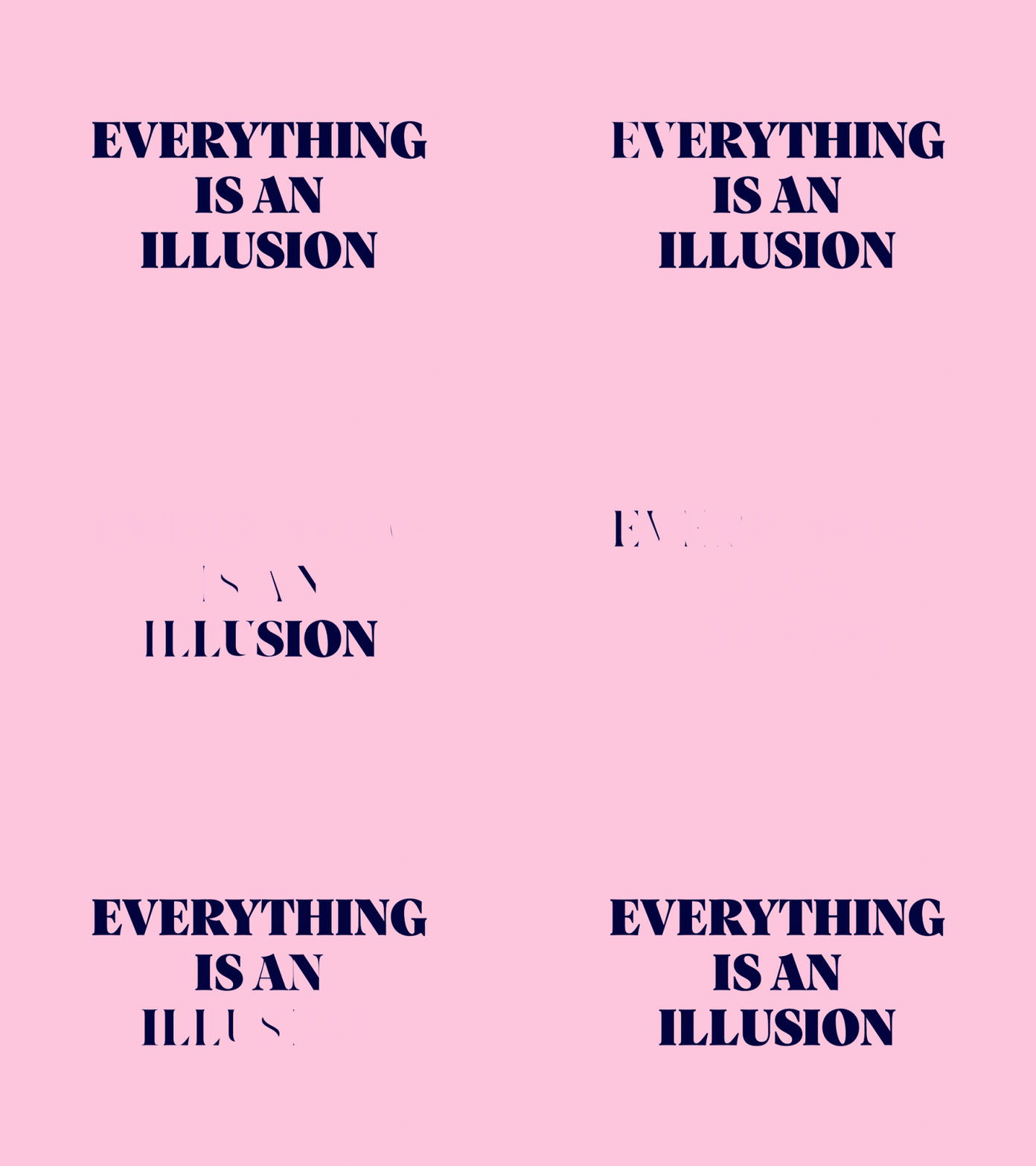
Kinetic typography is a fancy way of saying “moving type.” It combines old-fashioned typography with the power of video and animation in order to create really eye-catching, memorable designs. Unlike standard type, a designer working with kinetic type has to also take into account style, effects and timing in addition to normal considerations like alignment, weight, and hierarchy.
Font trends 2020 example: Animated hand-letteringFont trends 2020 example: Animated typography
Font trends 2020 example: Logo design with animated font
By lautzip

The “Everything is an Illusion” design by Animography appears for a second to be a standard type design by giving the viewer a brief second of rest before the text begins to warp and vanish. For typography nerds and novices alike, these kinetic type experiments are wildly exciting and surprising. Look for them on website landing pages and popping up more and more in app design in 2020.

Font trends for 2020 and beyond

It’s clear that 2020 is going to be an exciting year for font trends. From amazing throwback sans-serifs pulled from the mid-century to kinetic animated fonts, from bare bones minimalism to ornate vintage styles, designers are figuring out how to use past trends to make fresh designs we can’t get enough of. As type design continues to push the boundaries, we can’t wait to see what the new decade has in store.

Do you need gorgeous graphic design?
Let our brilliant designer community create something unique for you.

The post 9 creative font trends for 2020 appeared first on 99designs.

Monday, December 2, 2019

20 questions to ask your client before any design project

A successful design project starts by understanding your clients’ needs. By asking the right client questions, you can provide better designs, avoid unnecessary revisions and get returning clients who are satisfied with your work. Building rapport and respect are vital to a great creative collaboration, and it starts before you even pick up your pencil.

Here are the 20 essential client questions you should ask clients before working on any design project. These questions will help clients feel involved with the design process, and they’ll also help you brainstorm ideas and fine-tune your creative output.

Establish common ground

by spoon lancer

Start by letting clients know that you care. Walk in their shoes and understand why they’re looking for a design solution in the first place. These questions will help you learn the challenges that they’re facing at the moment, so you can think about how you can best provide a design solution.

1. “What’s the inspiration behind this project?”

Discovering your client’s motivation helps you get a solid idea of why your client wants to work with you and how you should start the project. Their response can reveal what they’re trying to replicate or do differently.

2. “What are you trying to achieve?”

Setting goals makes it possible for you to track progress and see how effective your design is. When you know what your design should be accomplishing, you’ll be able to see what gaps you can fill.

3. “What are your expectations?”

By asking this question, you give the client the impression that you are a professional designer whose time, resources, and talents must be valued and appreciated. If you’ve heard of “scope creep,” you know how important it is to pay attention to this part of your practice.

Learn the brand

Getting to know your clients’ business and brand will help you reflect on what’s in their hearts and minds. These ideas and feelings are exactly what you want to tap into when you start designing.

4. “What is your mission?”

Learn the core values that drive your client’s business. Knowing what your client stands for helps you pay respect to what they believe in. Some design projects also may have a cultural or political angle, and these values may need to be an explicit part of the design.

by spoon lancer

5. “What are the strengths of your company?”

Highlight your client’s unique selling points. You can also use this information to inspire the general idea of your design.

6. “Who are your top competitors?”

Get a grasp on your client’s industry. You might find recurring elements and strategies that may work for your client’s project or that could make them stand out.

7. “What do you like or dislike about your previous branding?”

Ask for links to previous marketing materials and make sure that your design is harmonious with your client’s existing marketing materials. If your client has past design samples, it pays to know what’s worked and what hasn’t, especially if they’re rebranding.

Define the audience

Design with a well-defined audience in mind. Learn about your client’s customers in terms of both demographics (age, gender, ethnicity, etc.) and psychographics (personality).

8. “Who is your target customer?”

Start with psychographics and have your client describe exactly who their ideal customers are, including what they do, how they act, what they like and more. When you start your design, you can use elements that appeal to this target audience’s way of thinking.

by spoon lancer

9. “Is this for a feminine, masculine or gender-neutral audience?”

Certain brands may use traditional gender expectations to appeal to a specific audience. Likewise, if a client tells you that they have a broad, mixed audience when it comes to gender, you bring more gender-neutral elements into your design.

10. “What age group are you targeting?”

Different age groups expect and respond to different things when it comes to design. Consider how appropriate and effective your choices of color, shapes, typography and style will be to the target audience. Will these elements resonate or fall flat?

11. “Are there any cultural concerns with your audience?”

Certain design elements may be inappropriate or perceived differently in other cultures. Avoid pitfalls by asking this question, so you can do research and make sure your design is acceptable to your client’s community.

Set expectations

Some clients tend to focus on their needs and forget about the specifics of the project. If you’ve heard of something along the lines of, “I want a unique and awesome design that’s going to show just how cool my product is so that I can increase sales,” you know exactly what I mean.

by spoon lancer

Ask these questions to set their expectations. You can praise or “approve” their design ideas, or break it to them (gently) that they’re the plan is not going to work. (“Sorry, I don’t think we can fit the names of all 200 guests on your invitation design.”)

12. “What style are you looking for?”

Determine your client’s taste in design aesthetic by assuming they might be design experts themselves. Instead of, “Would you like to include isometric illustrations or maybe some asymmetric layouts?” you can ask, “Do you want a balanced, clean look, or something more experimental and dynamic?” Your questions will help you narrow down your choice of creative trends.

13. “What must-have elements does your design need?”

Check if your client has quirks or requirements. This question will make sure you don’t neglect any copy, images or themes that are essential to the design. (I don’t know about you, but I have a client in the fashion industry who always needs to see something sparkly.)

Get practical details

by spoon lancer

More often than not, your clients will use your design in print or digital—for marketing campaigns, online ads, blogs, publishing, and more. Learn more about the final product to inform your design.

14. “Where will you use the design?”

Have your client tell you about the medium, location and size of the finished product. You’ll have different design considerations for print vs. digital and handheld vs. large-scale designs.

15. “How will you distribute or use the product?”

For printed designs, follow up by asking about printing specifications. Depending on the production technique, you may need to limit your colors or you may have the opportunity to add even more layers to your design.

Set professional boundaries

For a smoother collaboration, ask your client how they would like to work together. You’ll also get a chance to express what you can and cannot do for the client.

16. “How do you prefer to communicate?”

Some clients prefer receiving constant updates, while some will give you time alone to “do your own thing.” Understanding how you’re going to work together for the rest of the project will help you focus more on your work or anticipate interruptions. This way, you can schedule tasks and prepare updates to give to your client.

by spoon lancer

17. “How much are you willing to spend on this project?”

Make it clear to the client what your base rates are. If you will charge for each revision, set expectations whether this will be calculated per hour or revision round.

18. “How do you want to give feedback?”

Determine how often you’ll update the client with new versions of the design. Some clients love to have a back and forth with the designer. Others can take a hands-off approach. Consider your options so you don’t waste time and effort.

19. “What files and formats do you need?”

Make it clear to the customer what they can receive and do with their files. This will also help you anticipate what type of licensing will be required for certain design assets that you will need to use, such as fonts and images.

20. “How soon do you need this?”

Make sure you give yourself ample time to finish a project along with your other commitments. Allow time for revisions and even a bit of possible procrastination or designer’s block.

Great design starts with a little Q&A

Keep in mind that clients aren’t just looking for an attractive design. They also need professional advice, patience, and understanding, plus a little care and acknowledgment. By asking the right client questions, establishing a common ground, and understanding their desires, you can better satisfy your client’s needs and provide an enjoyable experience that’s worth acquiring again in the future.

And hey, who doesn’t want returning clients?

Next time that you’re working on a project keep these client questions in mind and try to start a conversation. Don’t be afraid to ask. Show that you care and avoid making dangerous assumptions. It all starts with the first question that opens doors to many possibilities: “What can I design for you today?”

Mia Dagsaan
About the author

Mia Angela Dagsaan is a certified freelance writer and inbound marketer. She writes about content, design, branding, and digital marketing. When not writing, she paddles out with an 8-foot surfboard and travels to a hidden paradise. Read more of her writing on her website.

The post 20 questions to ask your client before any design project appeared first on 99designs.

Now accepting submissions to the 2020 99awards

In 2020, we’re celebrating five years of 99awards! And that means it’s once again time for you to show us your favorite work created on 99designs over the past year.

2020 99awards

How do nominations work?

For 2020, we’re asking design fans to nominate the best work they’ve seen (or created) on 99designs over the past year. There is no limit to the number of designs you can nominate—the more the merrier!

This year, submissions will be considered for nine categories:

  • Branding
  • Illustration
  • Packaging
  • Print
  • Typography
  • Digital
  • Best New Designer
  • Best New Top Level Designer
  • People’s Choice Award

Submit your favorite design to the 2020 99awards
_

Do you have a design in mind? Simply fill out the form below with a link to the design, why you’re nominating it and a little about who you are.

Entries must be submitted by January 10, 2020. The final nominees will be announced in early February.

The post Now accepting submissions to the 2020 99awards appeared first on 99designs.