Wednesday, November 13, 2019

10 stunning graphic design trends for 2020

With the year 2020, graphic design trends have reached an important milestone. It’s the dawn of a new decade, and graphic design is poised to reach new heights as designers begin to define the era. There’s a feeling in the air that anything can happen—that we are about to witness the next evolution of graphic design as we know it.

And that’s also what makes this moment so daunting. Here we stand at the 20s’ inaugural year, and the upcoming decade is full of mystery. You can imagine that graphic designers everywhere must be experiencing a collective blank page anxiety, gripping their tablets and stylus pens and asking: where do we go from here?

Although it might take a few more years for the 20s to hit their stride, designers are already showing us glimmers of what is to come. Let’s take a look at the reigning graphic design trends 2020 that are already starting to characterize this decade-long journey we’re about to embark upon.

The 10 graphic design trends to watch in 2020:

  1. Cyberpunk color schemes
  2. Street art styles
  3. Ultra thin geometry
  4. Paper cut-out collages
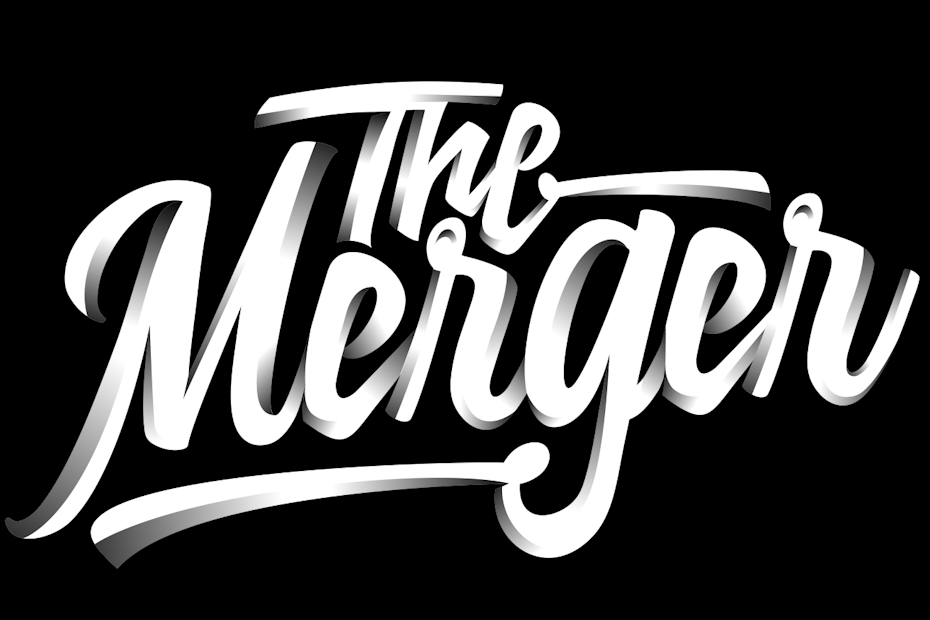
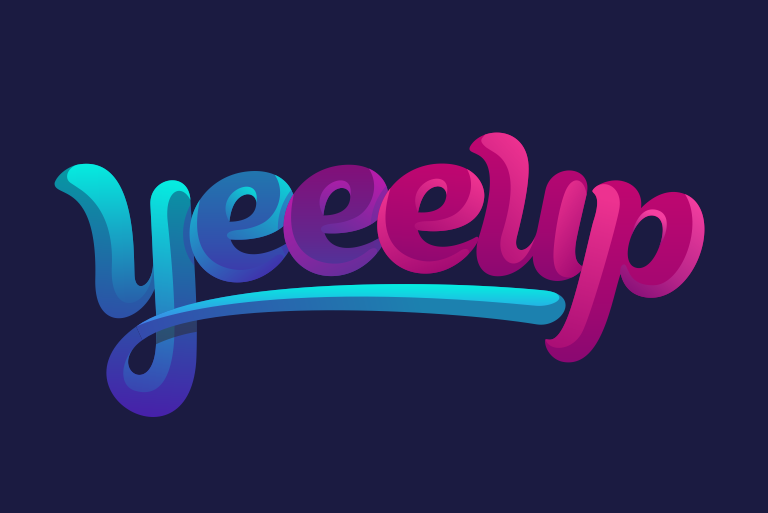
  5. Hand lettering with big personality
  6. Dystopian aesthetic
  7. Hyper-pastiche
  8. Continuous animation sequences
  9. Bevels and chisels
  10. Live data visualization

1. Cyberpunk color schemes
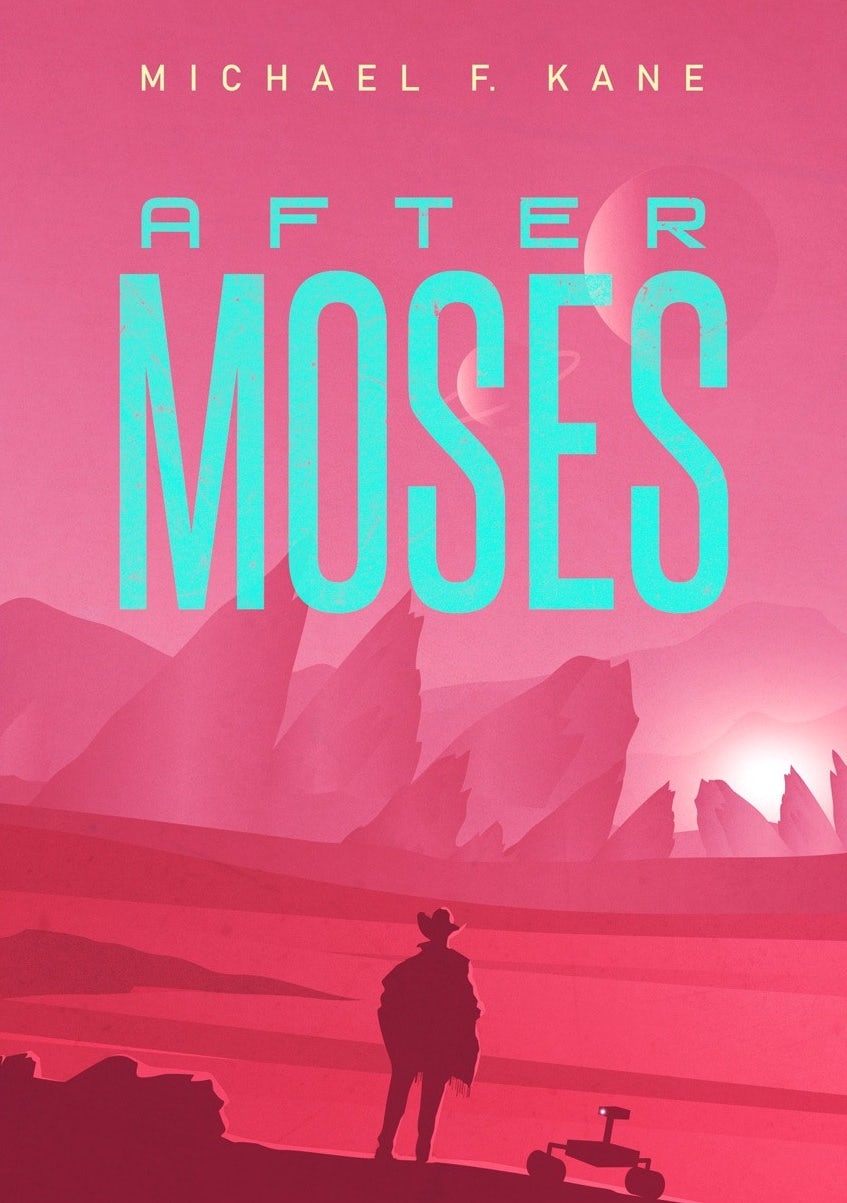
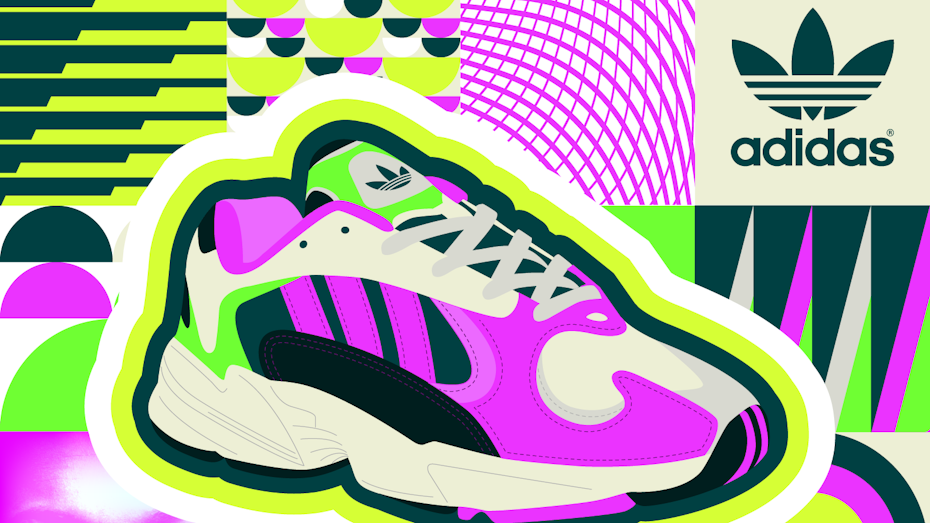
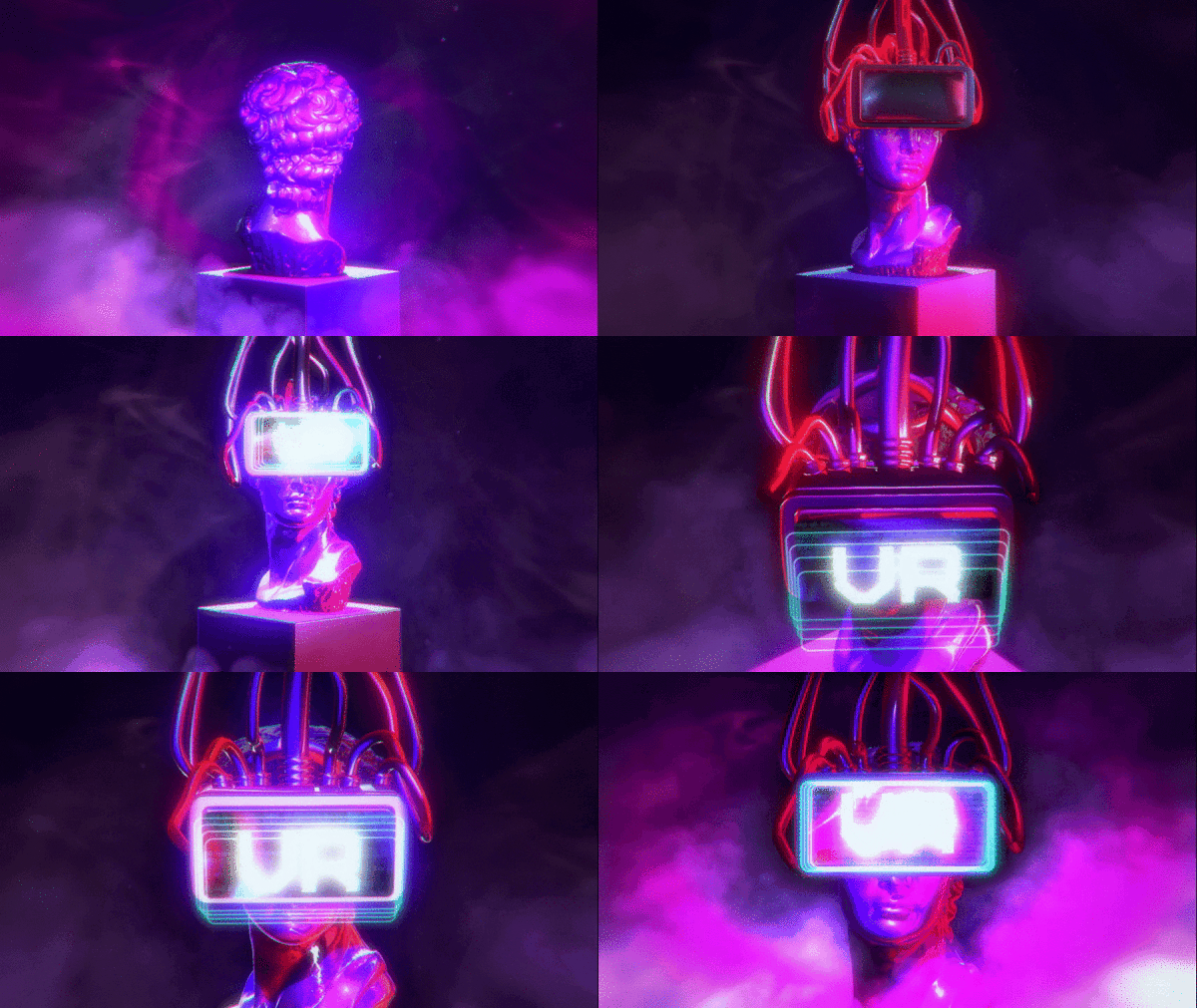
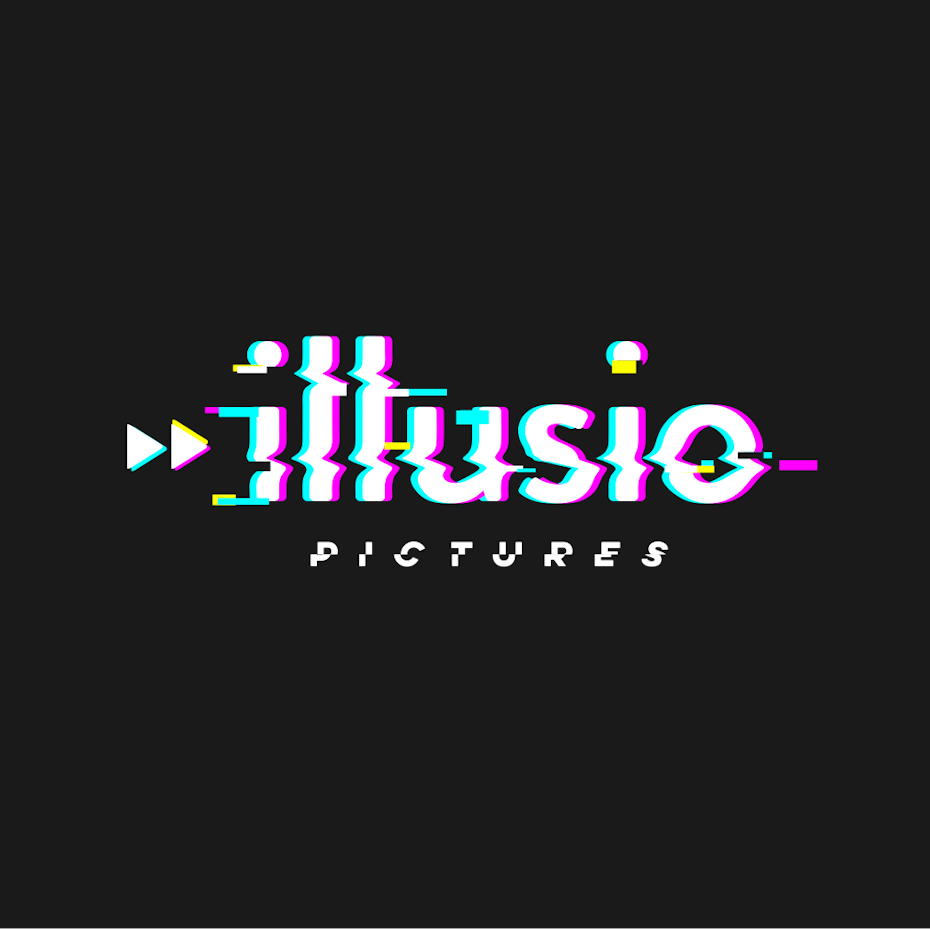
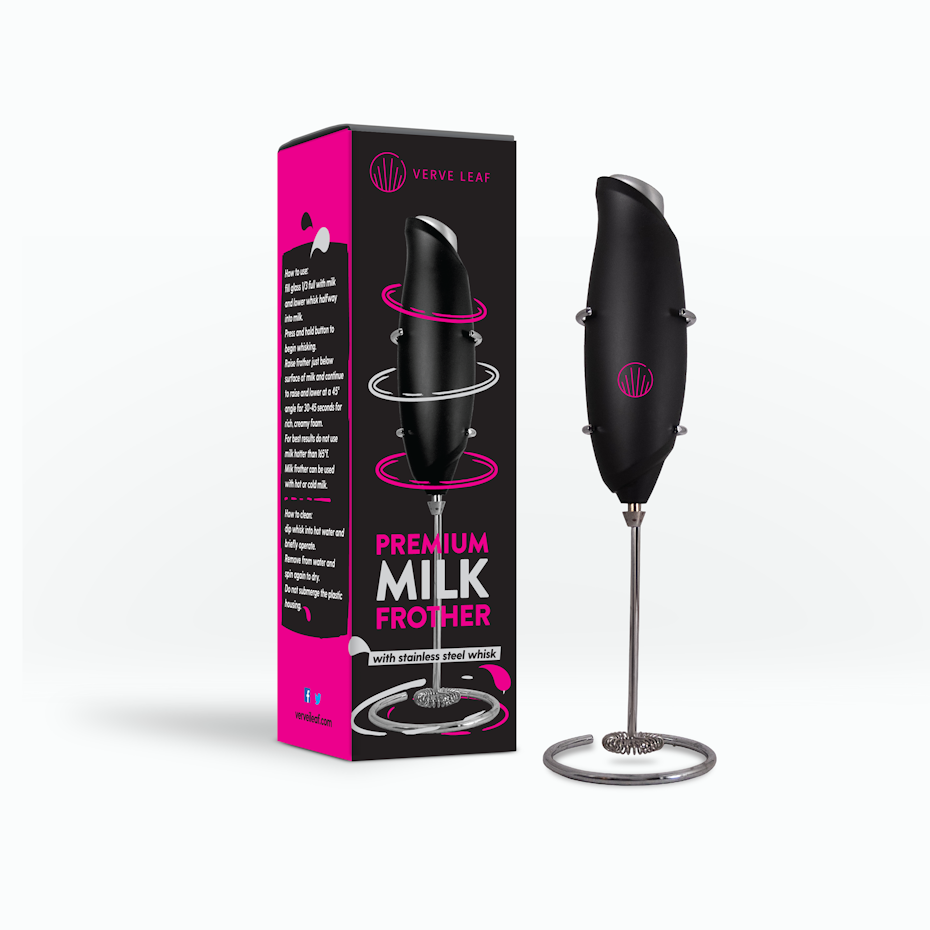
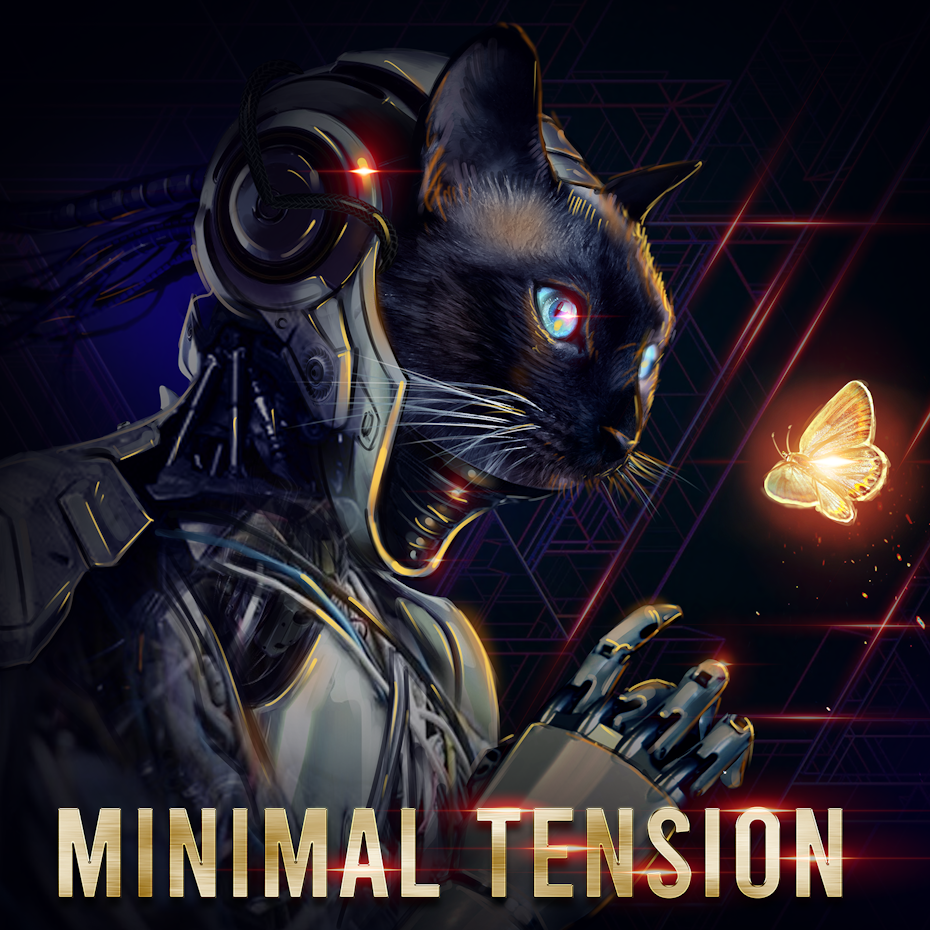
Neon-colored, cyberpunk book coverNeon colored Japanese poster designVibrant, neon colored sneakers illustration3D cyberpunk VR animation
2020 will feature brighter & bolder colors than ever before! As the value of design rises, brands are going crazier and wackier than ever with colors to attempt to stand out from the crowd.
- Ryan Hayward, designer & founder of pitchproof

Our streets might be clogged with electric scooters instead of flying cars, but considering how thoroughly computers have integrated into our lives (right down to our pockets!) it does feel like we’re living in the future. In graphic design, futuristic themes are often expressed with color—especially bright and oversaturated hues that we don’t typically see in nature. These colors are associated with cyberpunk, a sci-fi genre that usually depicts dark, futuristic, neon-infused cities, like in the movie Blade Runner.

Expect color schemes in 2020 to get even more vibrant and luminous.

Iridescent hand-lettered logo for a cosmetics brandGlitch art logo designPackaging design with neon flourishesAbstract, brightly colored cannabis packaging design
Futuristic color schemes and designs will be on trend next year, continuing with the isometric trend and bringing in colors like blues and purples and hot pink to give designs that futuristic glowing feel.
- Adrianne Mesnard, Art Director at 99designs

In practice, cyberpunk color schemes create surreal experiences for viewers that they are unable to experience in real life, like the otherworldly vegetation covering Pepper Pack Design’s packaging below. Their brightness also makes designs feel friendly and inviting, despite the fact that they are shamelessly calling attention to themselves.
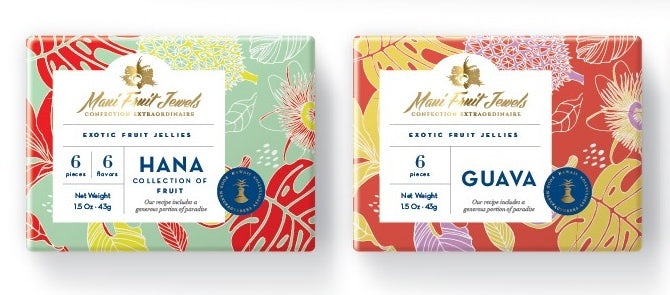
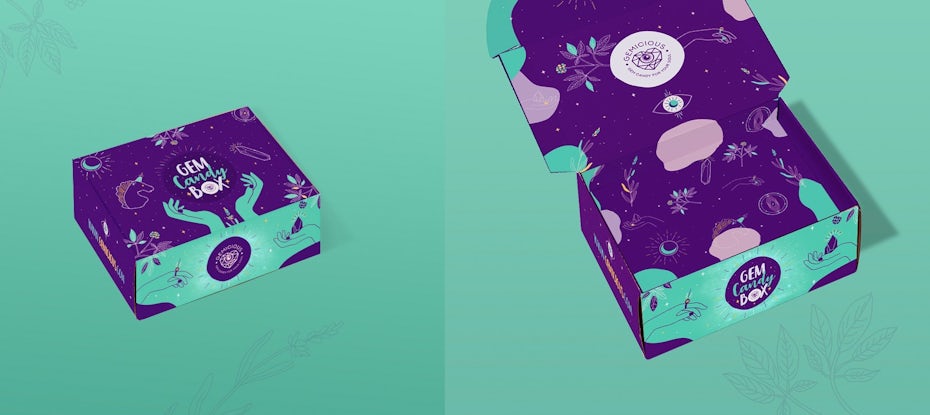
Vibrant, colorful floral patterned packaging designGreen and purple oversaturated patterned packaging design
We see 2020 ushering in a futuristic, ‘cyberpunk’ feel, building off of Japanese urbanism, blue neon, and general future-forward look and feel. There’s some about Japanese design that always seems to feel futuristic, and we see that trend picking up.
- Ben VanderVeen, Art Director & founder of Moss and Fog

In cyberpunk, neon creates pleasant splashes of color against a dark cityscape, and likewise, designs that take advantage of color schemes like these can brighten up our own, sometimes gloomy world.

2. Street art styles
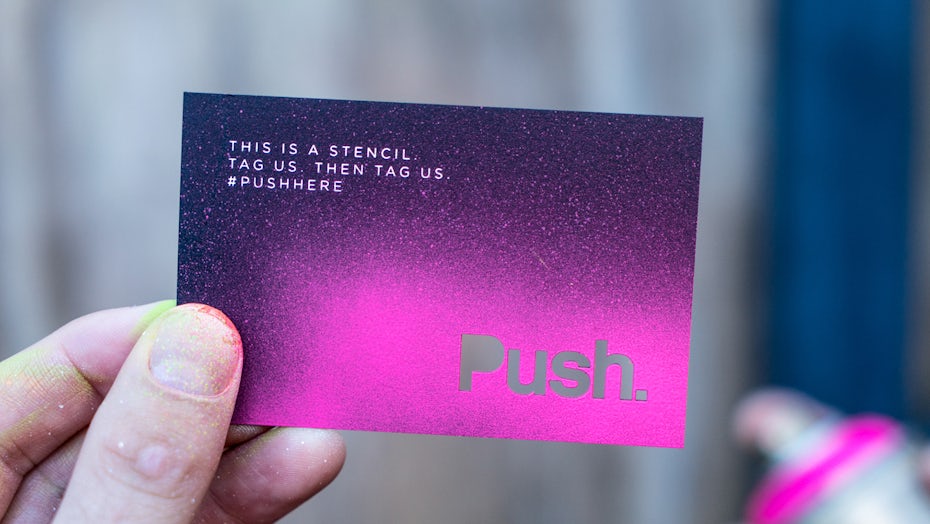
Spray paint, stenciled business card designSpray paint logo designSpray paint, stencil style logo designSpray paint business card design

Graffiti and street art techniques have a retro appeal to them, conjuring up images of the 70s punk scene, the neon 80s and the grungy 90s. But in 2020, this trend is more than your average comeback. Street art’s return to graphic design is ripe for our particular moment in time.
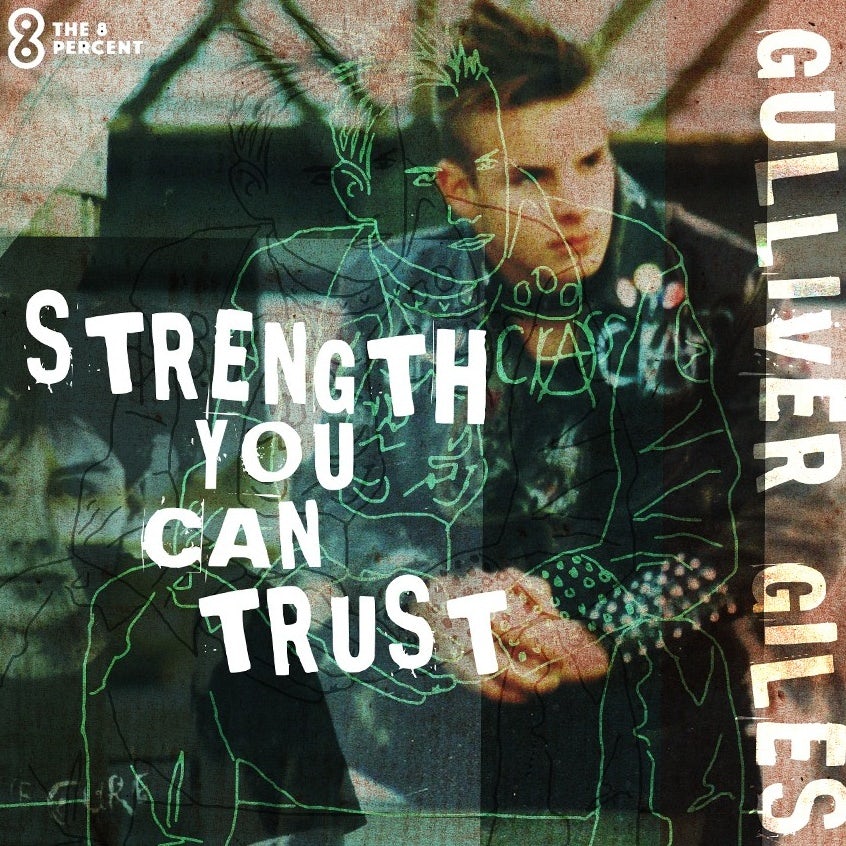
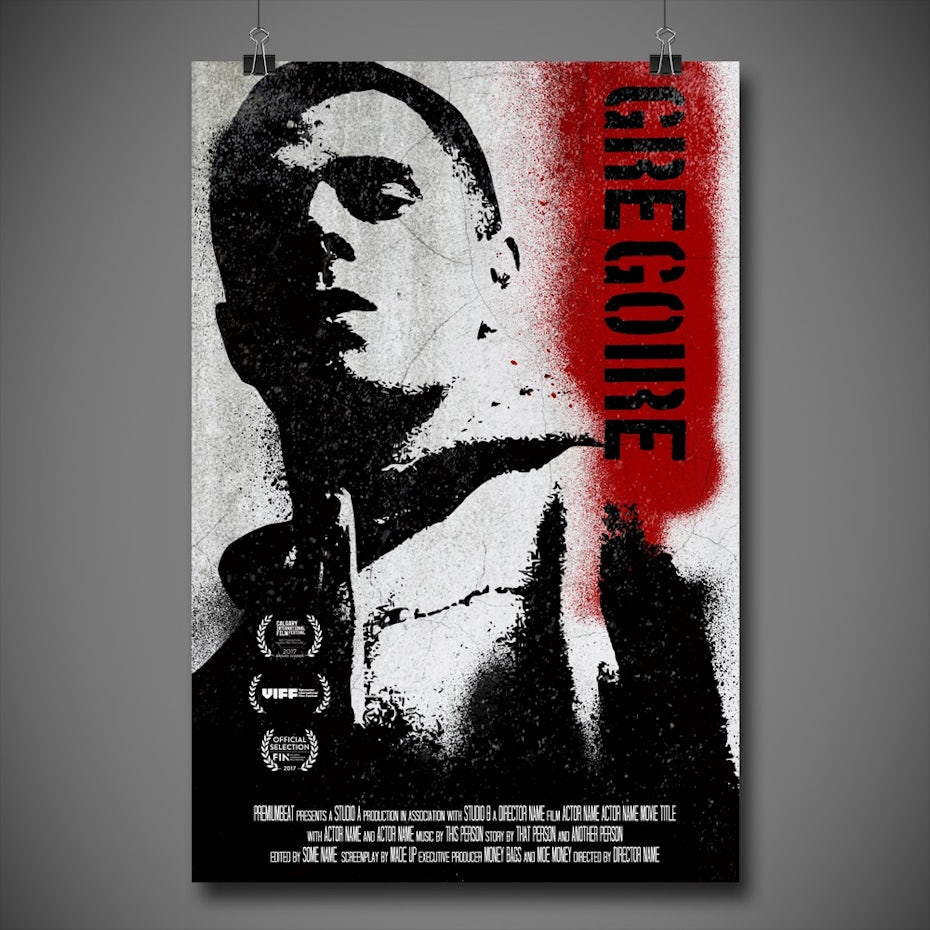
Punk album cover that mixes photography with illustrationStreet art style movie poster

Over the past decade, learning design has become more accessible than ever before. That means there are a lot of new kids on the block who’ve had to make a name for themselves on their own, an ethos that fits well with the DIY aesthetic of street art.
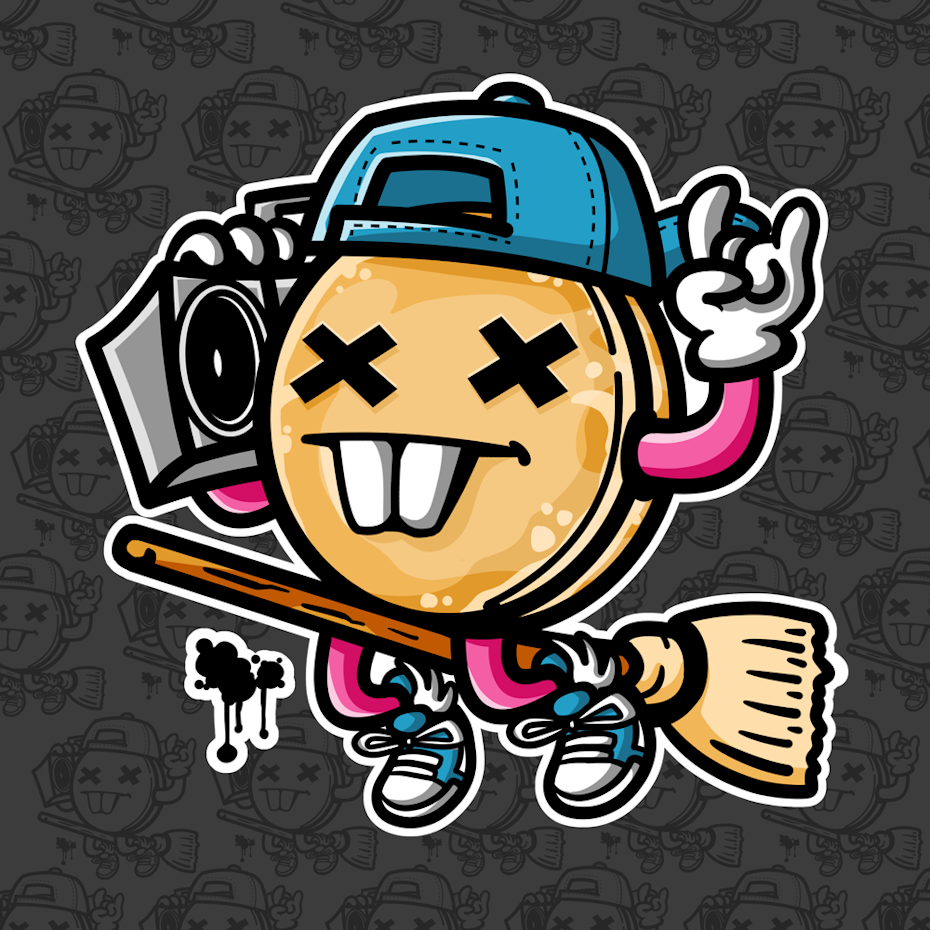
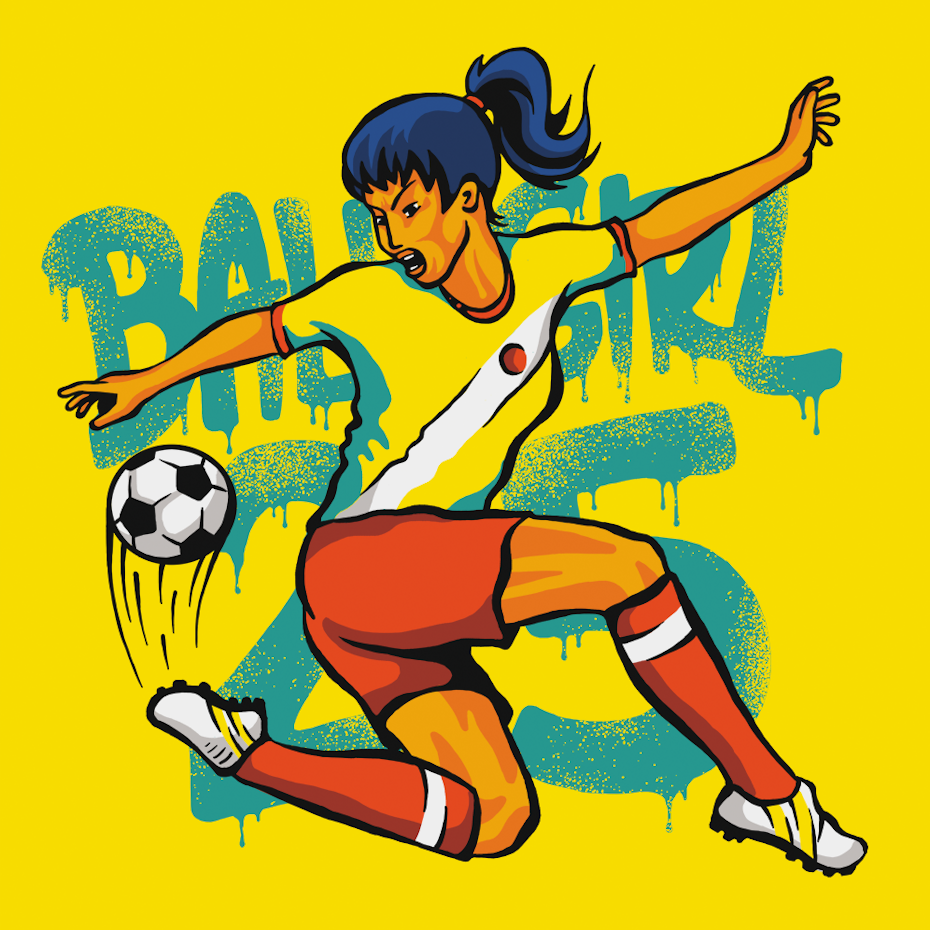
Street art style mascot designT-shirt illustration with spray paint backing
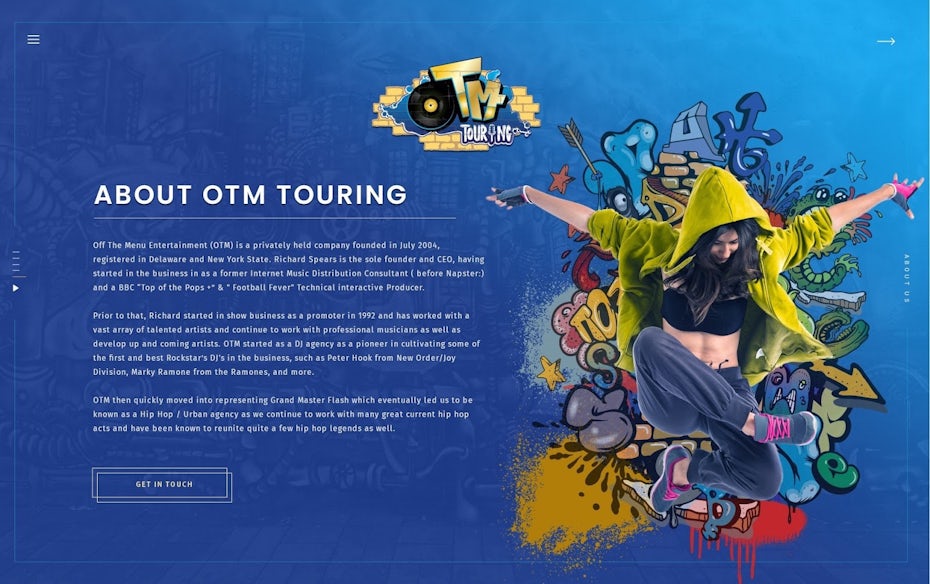
 Street art style web design for a music agency
A street art style web design for a music agency by Anton Siribaddana

With its inherent edginess (given its association with vandalism), graffiti is also a movement of jubilance and freedom, of breaking bonds and protesting convention. That’s what makes the photo backed by street art in Anton Siribaddana’s design feel like it’s going to leap off the screen. All in all, the street art trend is the perfect aesthetic to get us feeling like the future is in our hands.

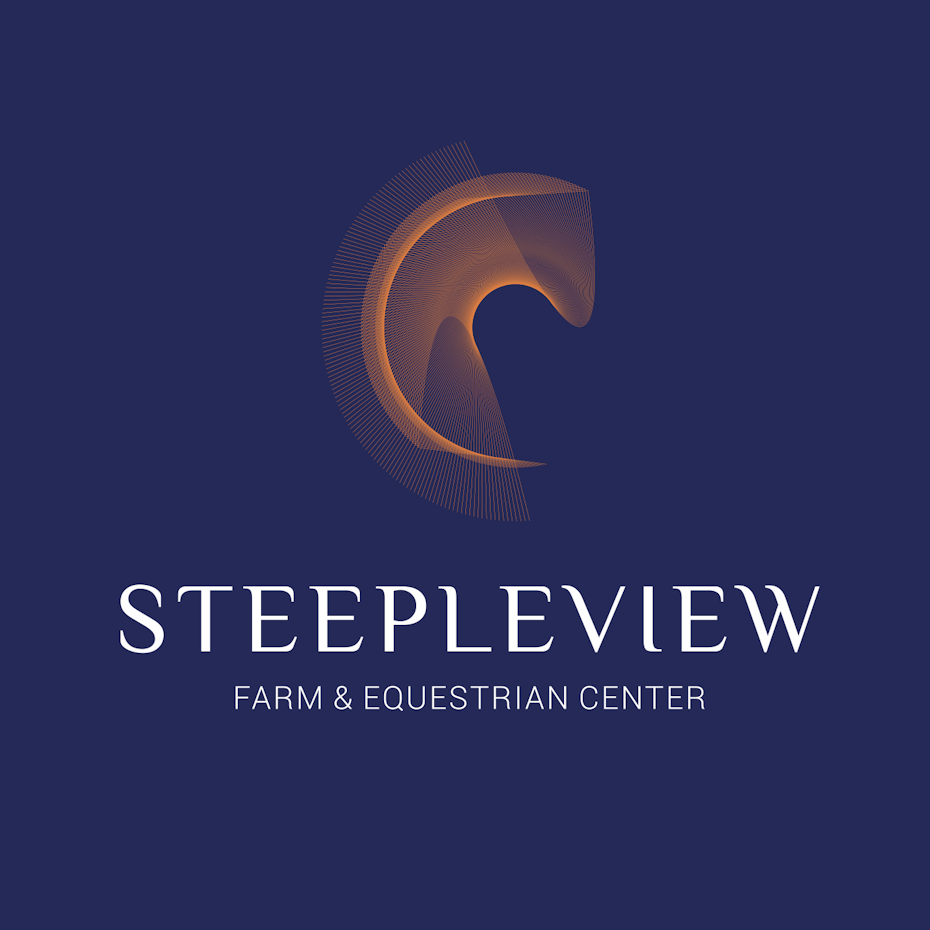
3. Ultra thin geometry
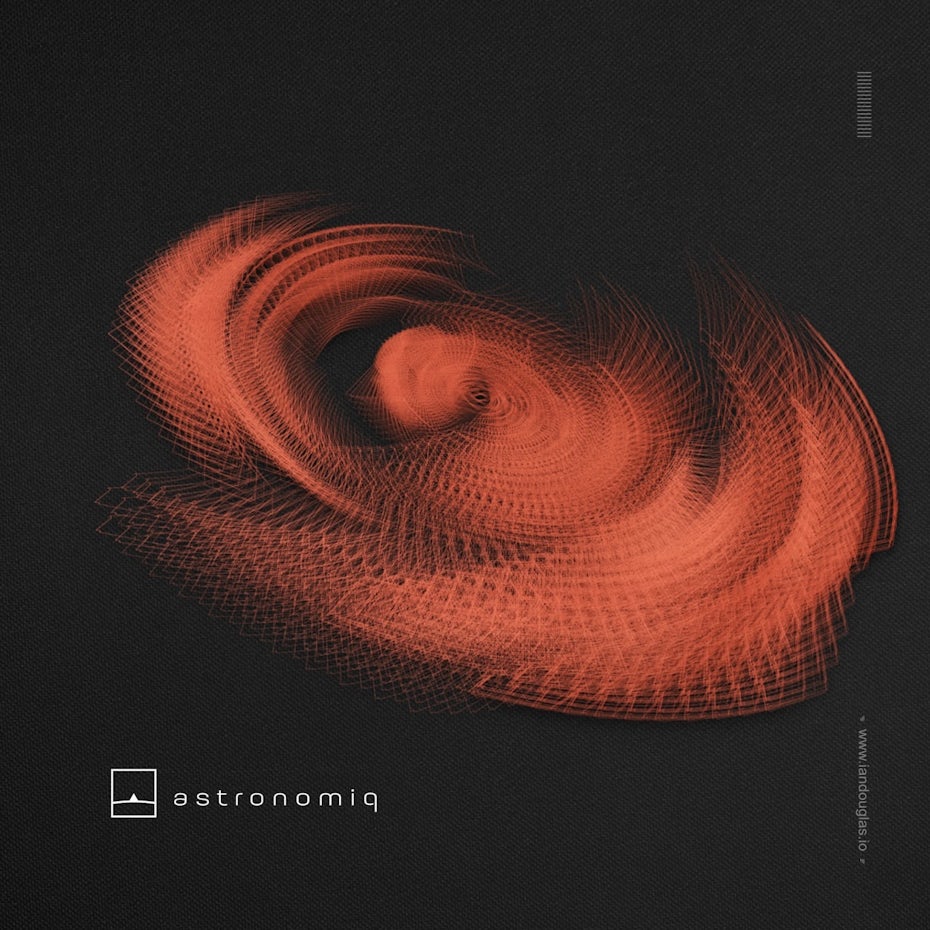
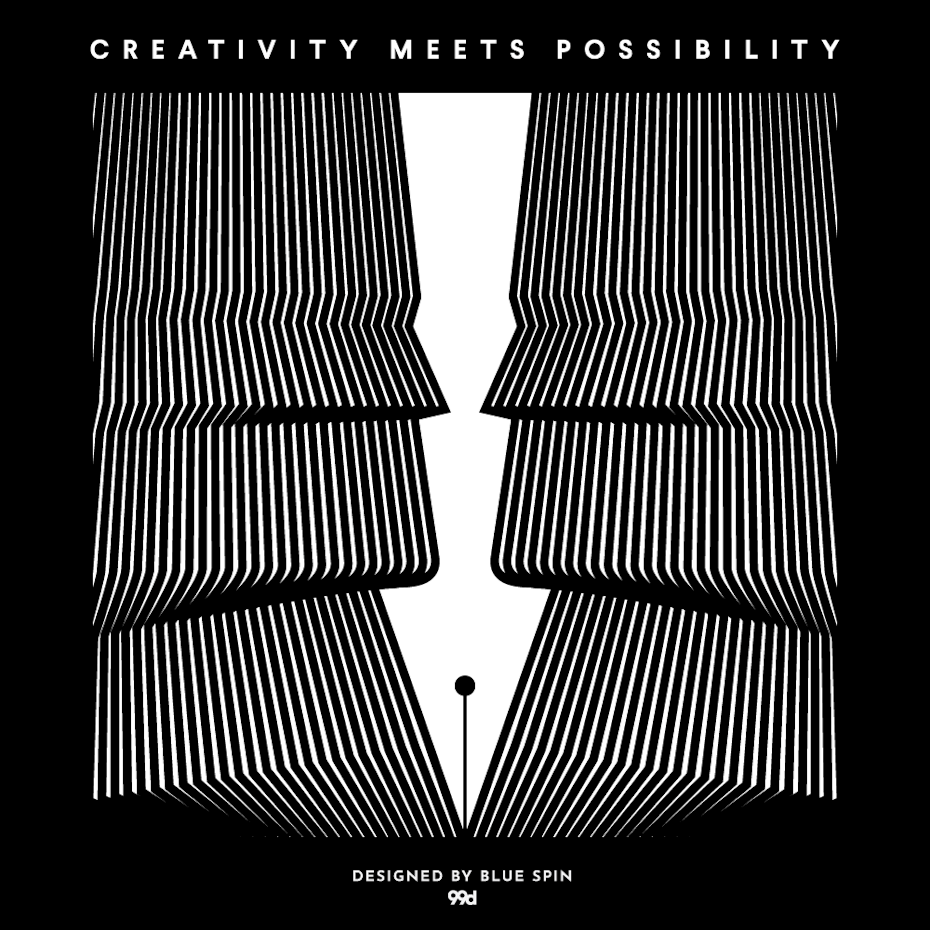
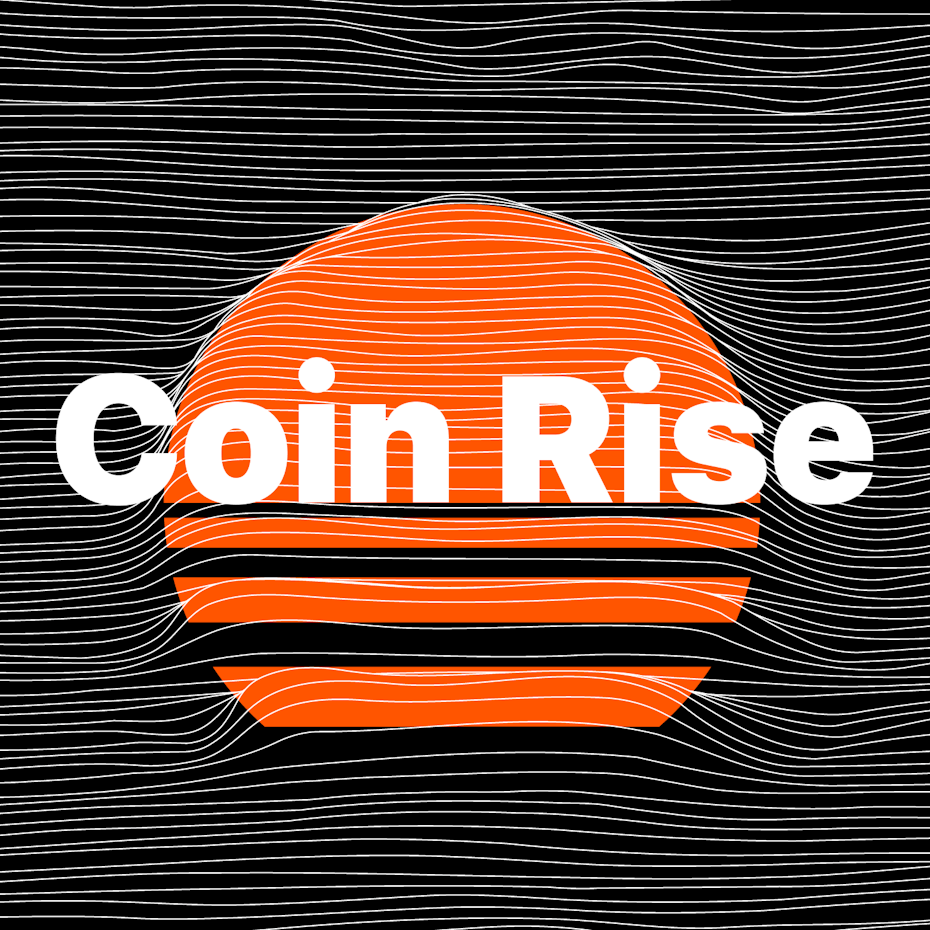
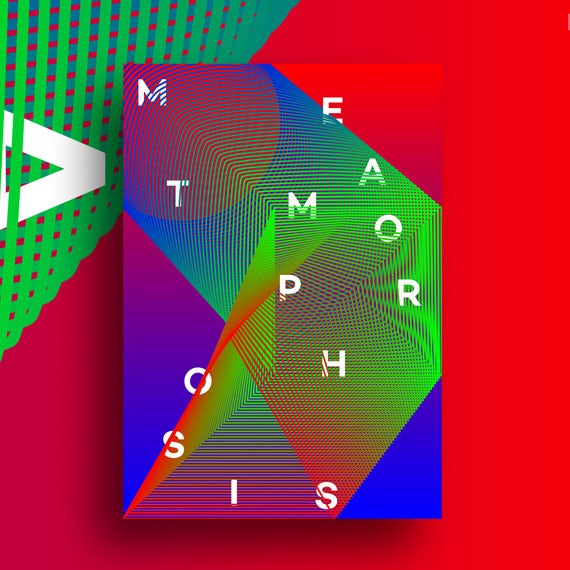
Abstract, thin-lined geometric designThin-lined, abstract t-shirt illustrationAbstract illustration with thin linesAbstract, geometric poster with surreal colors

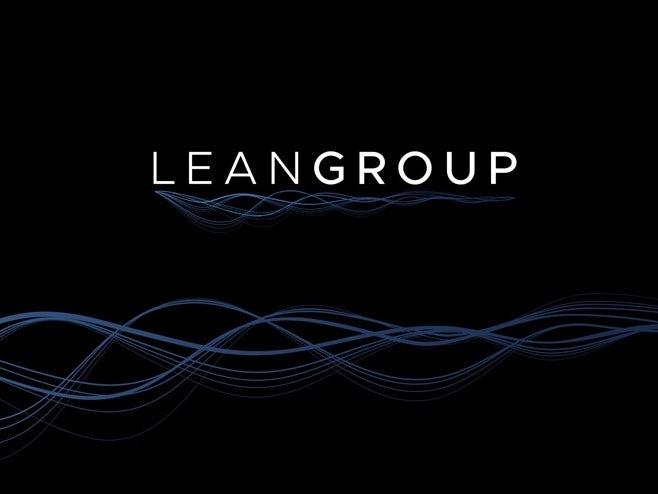
As a fundamental element of graphic design, lines express the form and nature of an object. Geometric lines illustrate objects that are man-made and technological, whereas curvy lines represent more natural and organic forms. In 2020, we are seeing designers merge these line styles to achieve impossible shapes. These designs are based on stable geometry, but they still manage to feel transient and ethereal. They look metallic but drift like smoke.
Flowing, thin-lined abstract logo designOrganic, abstract geometric illustration for a web pageThin-lined circular logo designabstract horse logo made of ultra thin lines
This design has a modern, futuristic and mysterious feel. Thin lines can only be displayed on digital media, something that left the age of the printing press with paper.
- Jack Begosian, Top Level designer at 99designs

Ultra thin geometry is sleek, abstract, and difficult to pull off without computer assistance, which is probably why it’s popular in tech and industrial branding. This style seems to express the future of technology—something less and less physical the deeper we venture into “the cloud”—and speak to the mysterious possibilities awaiting us in the coming years.

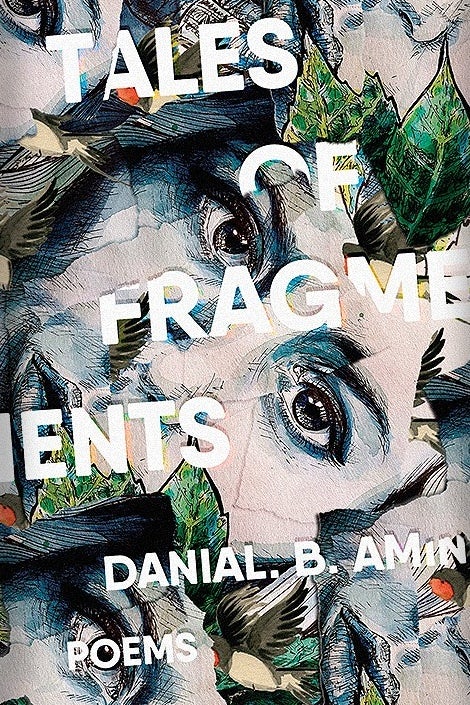
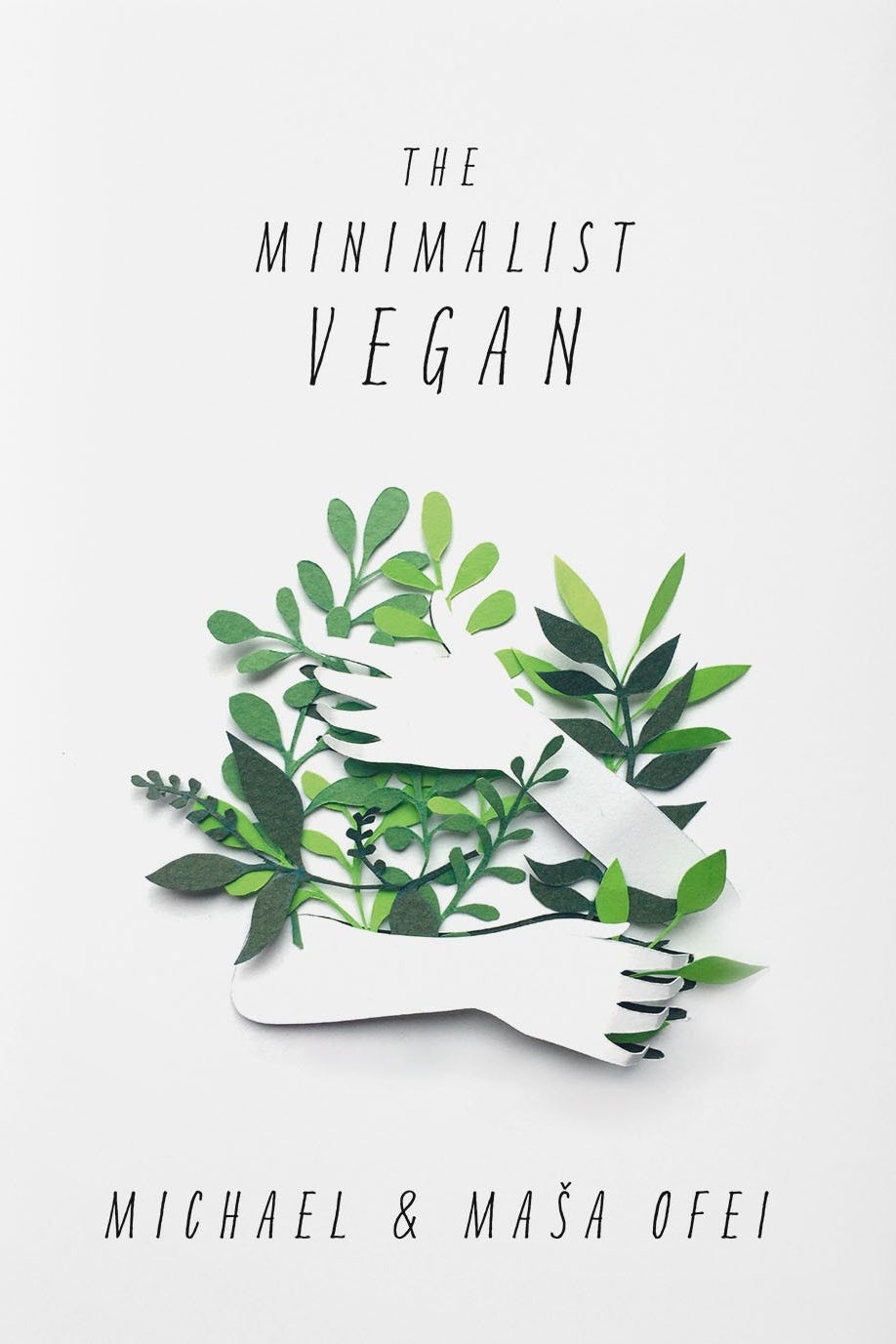
4. Paper cut-out collages

Paper cut-out style for a book cover designBook cover design with paper cut-out elementsPaper cut-out collage for a book coverBook cover design with a paper cut-out style

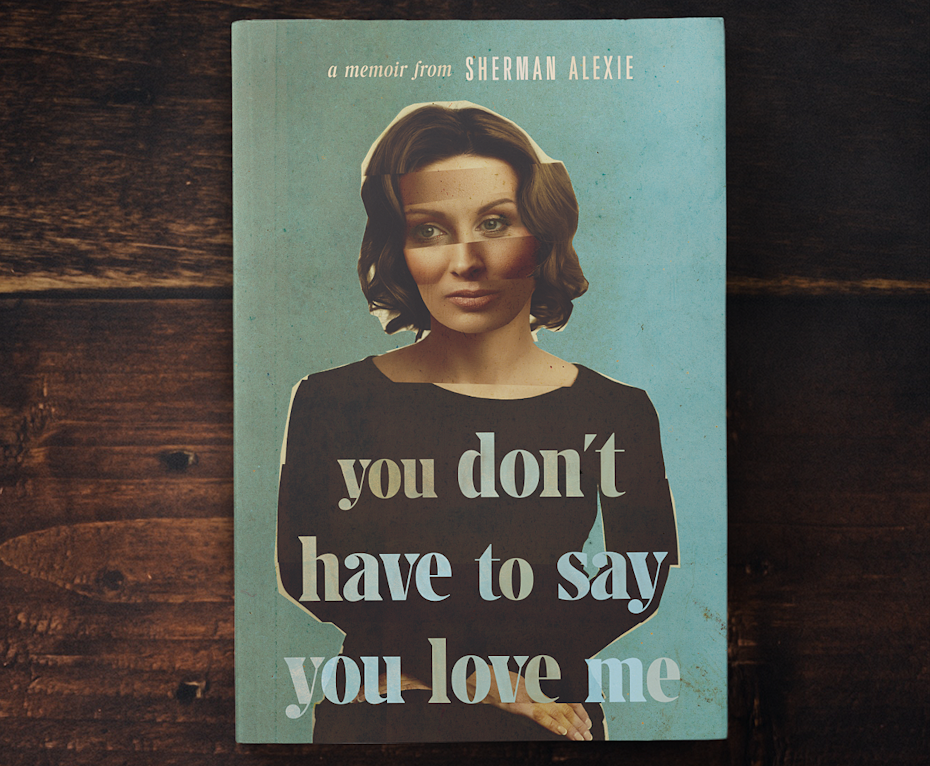
Designers are always trying to craft authentic experiences for viewers. What better way to do so than with literal arts and crafts?
Paper cut-out collage book cover design
A collage book cover design with rough edges by nevergohungry
My bet is on collage, because just by means of cut fragments, this technique easily opens up to new sceneries and unexpected relationships among the graphic elements.
- Agnesema, Top Level designer at 99designs

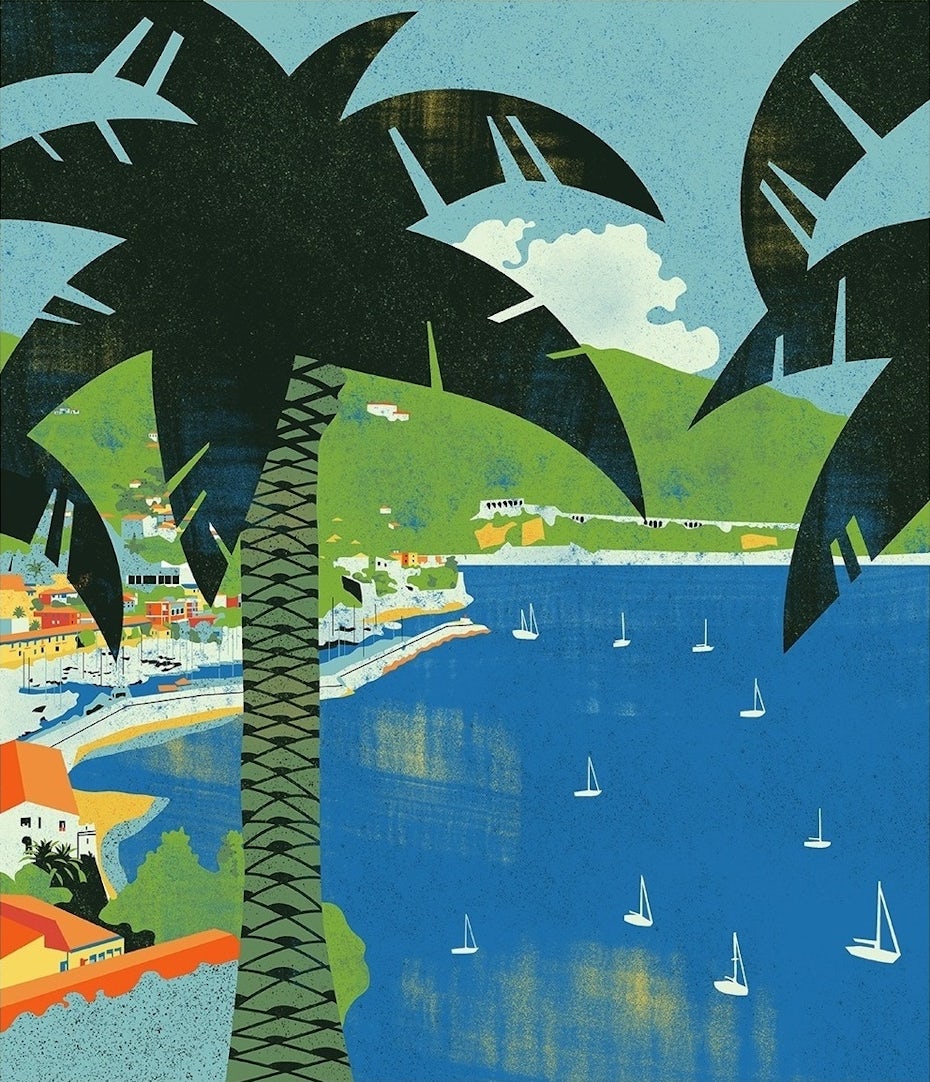
Many collages try to trick the eye into seeing one cohesive image where several exist. But the collages of 2020 have nothing to hide. Designers are mixing images that clearly do not belong in the same universe, such as illustrations and photographs. Ditching seamless photo manipulation, they are leaving images with the angular edges and white outlines that come from quick-and-dirty cutting and pasting. The effect is to straddle the line between contrast and harmony, bringing together these disparate elements in a kind of asynchronous beauty.

Subtle paper cut-out packaging designcollage style illustration
Surreal paper-cut out collage design for a blog cover
A surreal, mismatched paper-cut out collage design for a blog cover by OtomPotom
2020 will be all about combining contrasting elements: vibrant colors with soft pastels, traditional patterns with geometrical shapes will be combined. This will add richness and convey fun, youth and multiplicity.
- ON & ON, Top Level designer at 99designs

While they are visually striking, collages are largely on the artsier side, making them great for editorial illustrations, posters, and book covers. In OtomPotom’s blog cover images, for instance, mismatched elements are brought together in a surrealistic fashion to illustrate the abstract topics the content will speak to.

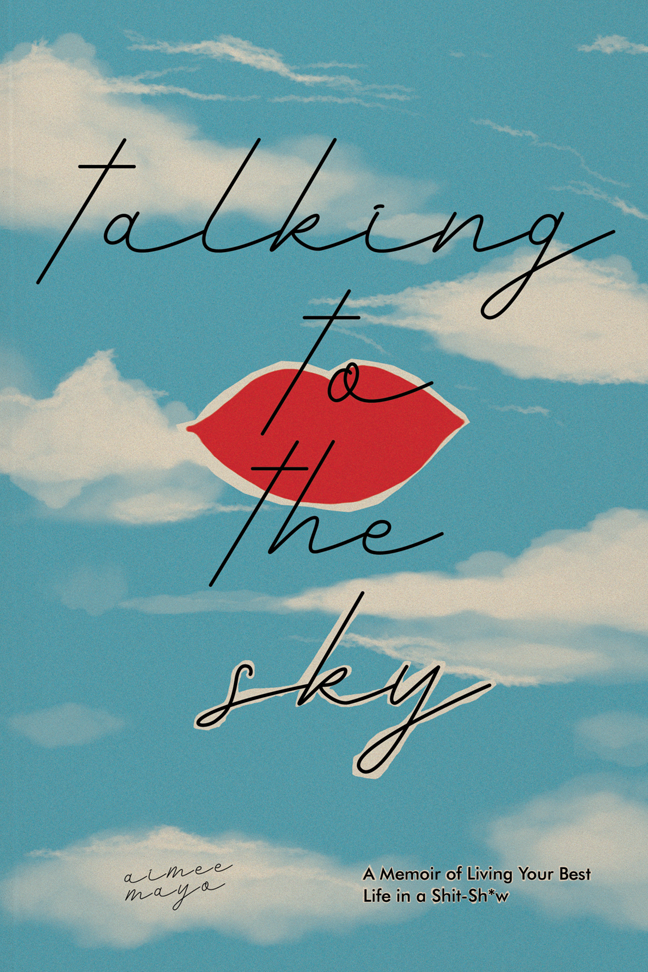
5. Hand lettering with big personality
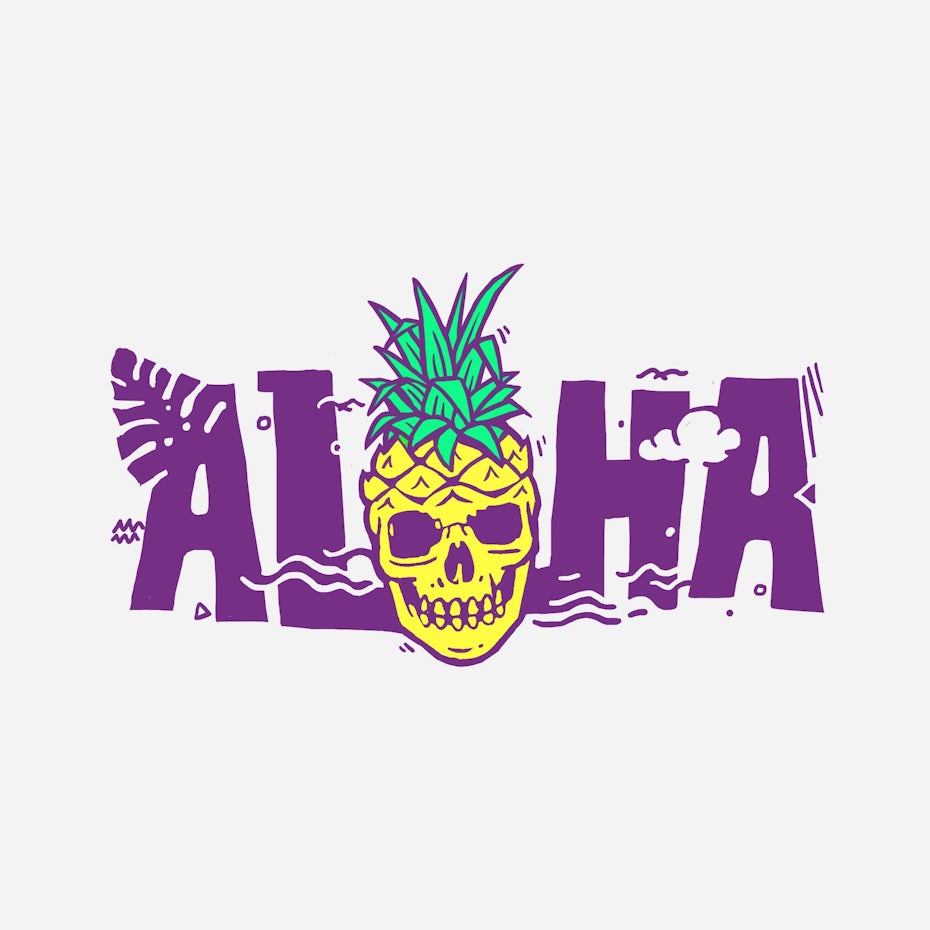
messy handdrawn font on a paper cup designLogo design with hand-drawn typographyBook cover design with hand-drawn typographylogo with illustrative font and pineapple and skull illustration
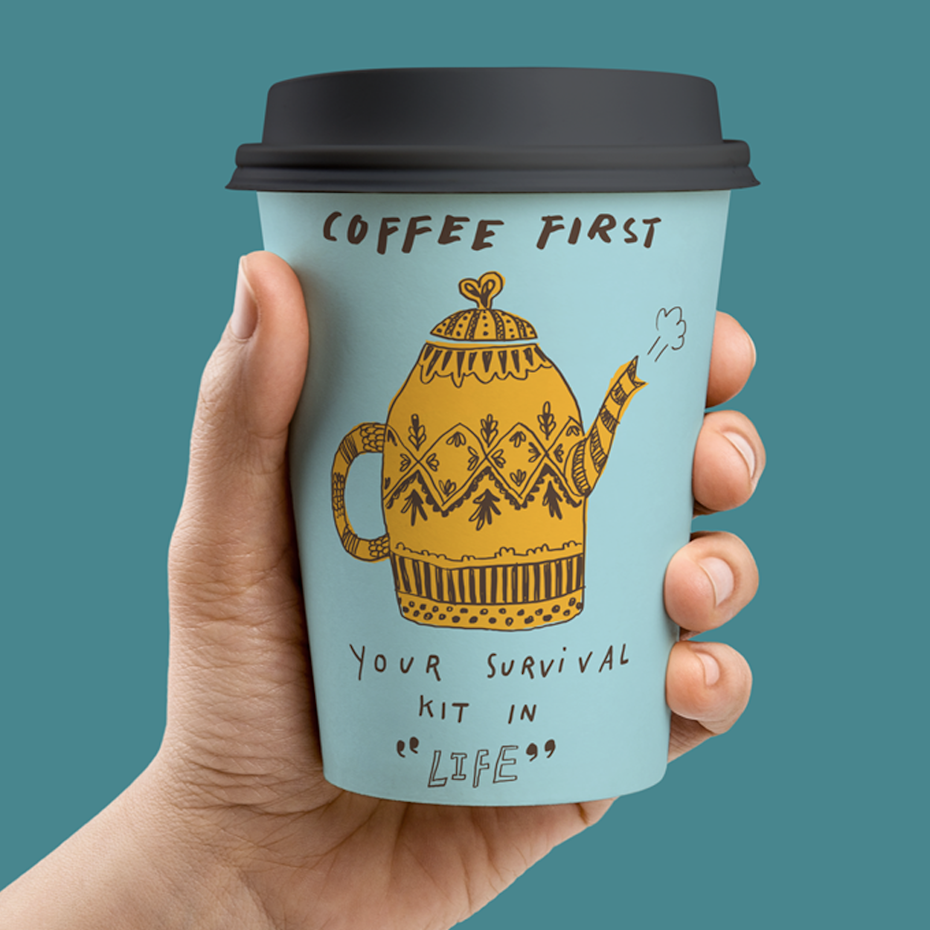
With minimalist trends going strong, there will be a need for more personalized connection with the audiences. This will lead towards type based designs but with a personalized touch, creating trends such as graphical integrations in typography or totally customized type-face based designs.
- Terry Bogard, Top Level designer at 99designs

Typography has always been a critical element of graphic design. In the digital age, when everything must make immediate sense to new users, typography became very functional by necessity. But in recent years, type has become bigger, bolder and more experimental in ways that we have not seen since print ads and magazines of days gone by.

Designers are proving that even a composition that limits itself to white space and text can still be adventurous with bold typographic forms.

Type is continuing to steal the show with bigger, bolder & more inventive uses. 2020 will continue to feature designers experimenting with the craze of typography to seek attention.
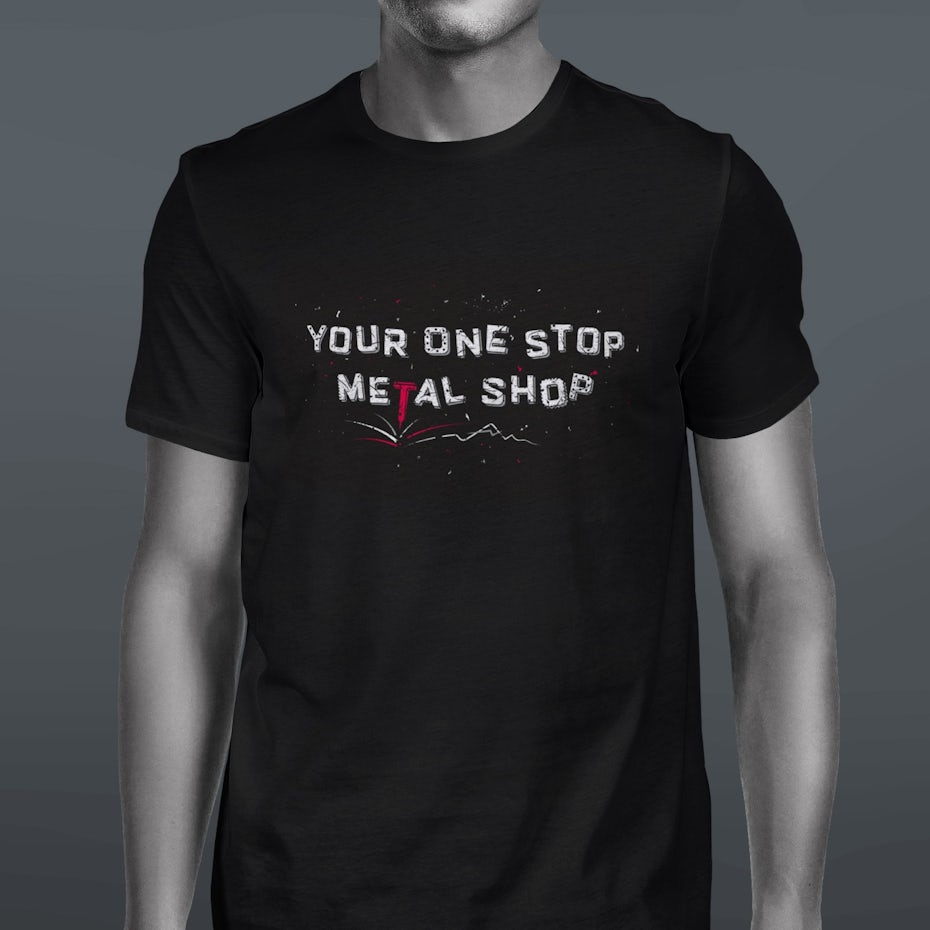
- Ryan Hayward, designer & founder of pitchproof
Metallic hand-lettering for a t-shirt designColorful, rainbow-style hand-letteringLogo design with hand-drawn typographyDynamic hand-drawn wordmark logo design
No matter what photo or illustration is used in a design, handwritten brush fonts will be dominant in the upcoming year.
- Meella, Top Level designer at 99designs

In 2020, the trend of larger-than-life type will continue, but in a more human direction. Custom hand lettering is already extremely popular, and branded typography will follow by becoming more colorful, imprecise, and eccentric.
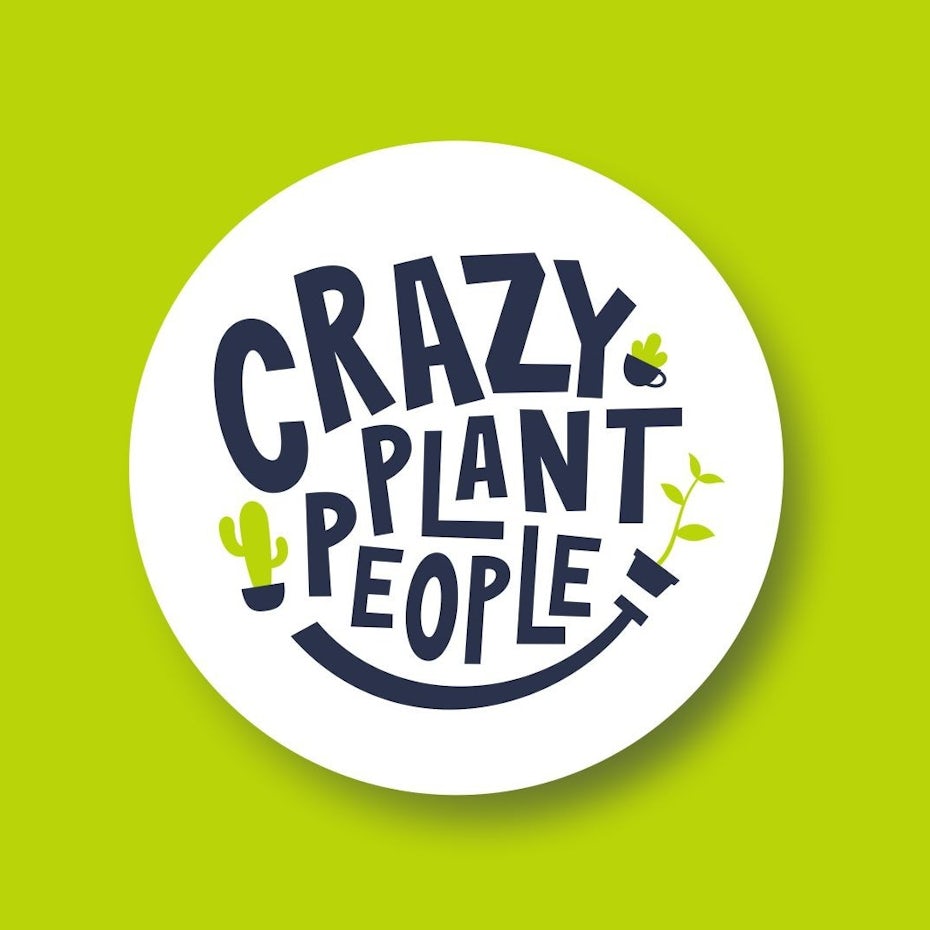
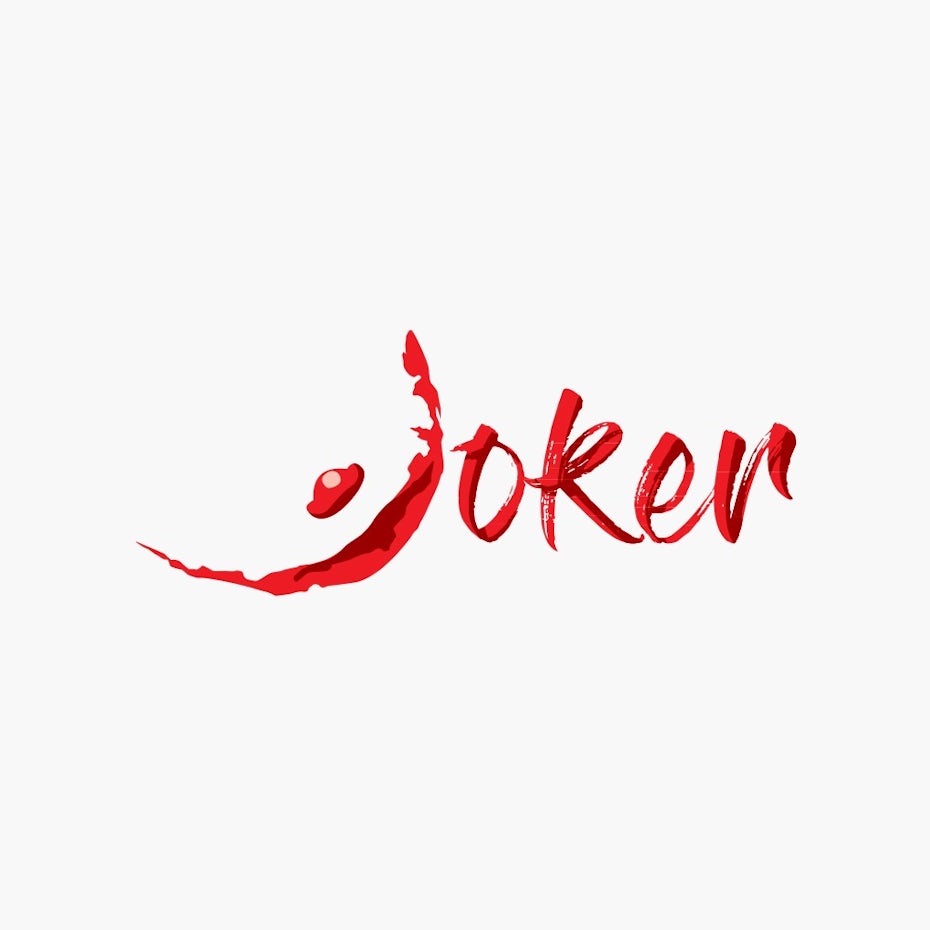
Fun hand-drawn wordmark logo designRed, brush-style hand-lettering

This can be achieved with lettering that comes alive like the examples above. Lettering can personify its subject matter (like the Beast Mode logo) or be offbeat and nonidentical (as in Crazy Plant People) to give a sense of the people behind the brand. In the years to come, consumers will be craving designs crafted by human hands, and it’s up to designers to deliver type that will speak to them.

6. Dystopian aesthetic

Digital illustration of a tree made out of mechanical parts
This dystopian illustration by Chaos_Theory imagines the future of plant life as hidden machines.
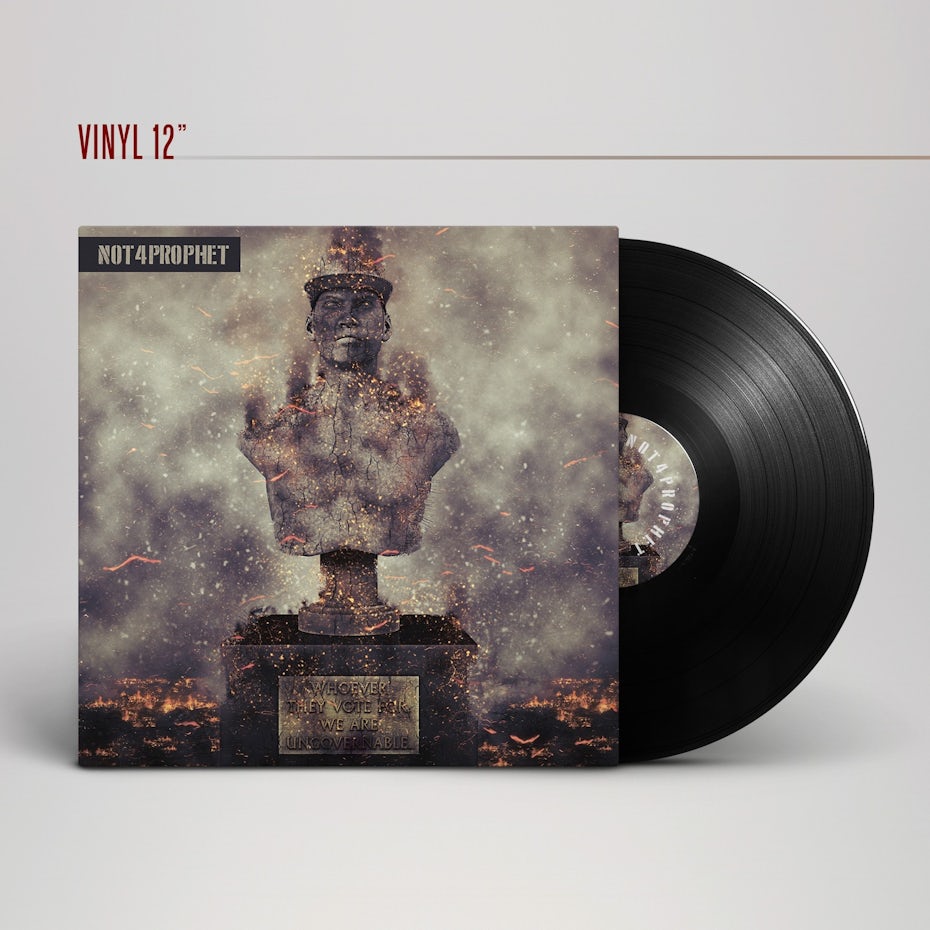
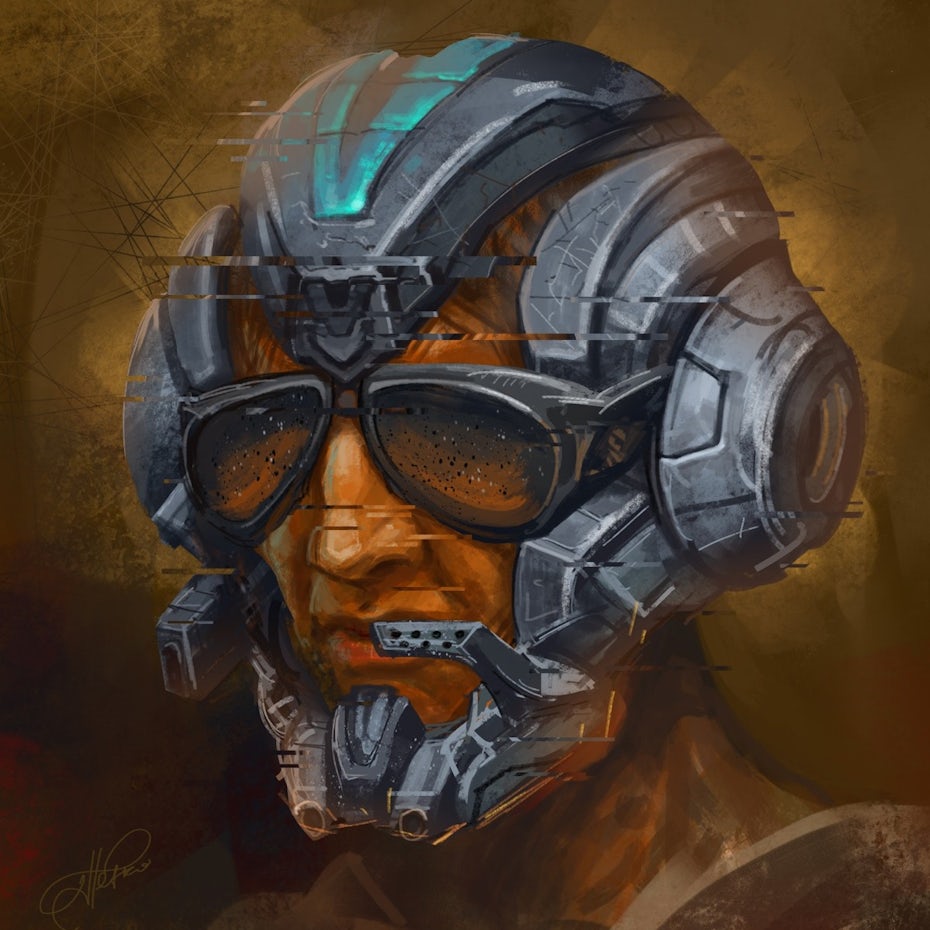
dystopian album cover with statue in ashesGlitch art digital painting

Thanks to our cultural obsession with shows like “Black Mirror” and “The Handmaid’s Tale,” dystopia is finding a voice in every medium imaginable. Dystopia (the opposite of utopia) generally refers to fictional, futuristic worlds that have taken a wrong turn somewhere in their history. From a design standpoint, dystopia finds expression through cold color schemes, mechanized typography, glitch art techniques, and imagery that merges tech with organic matter or excludes humans from the scene altogether.

Cheery.
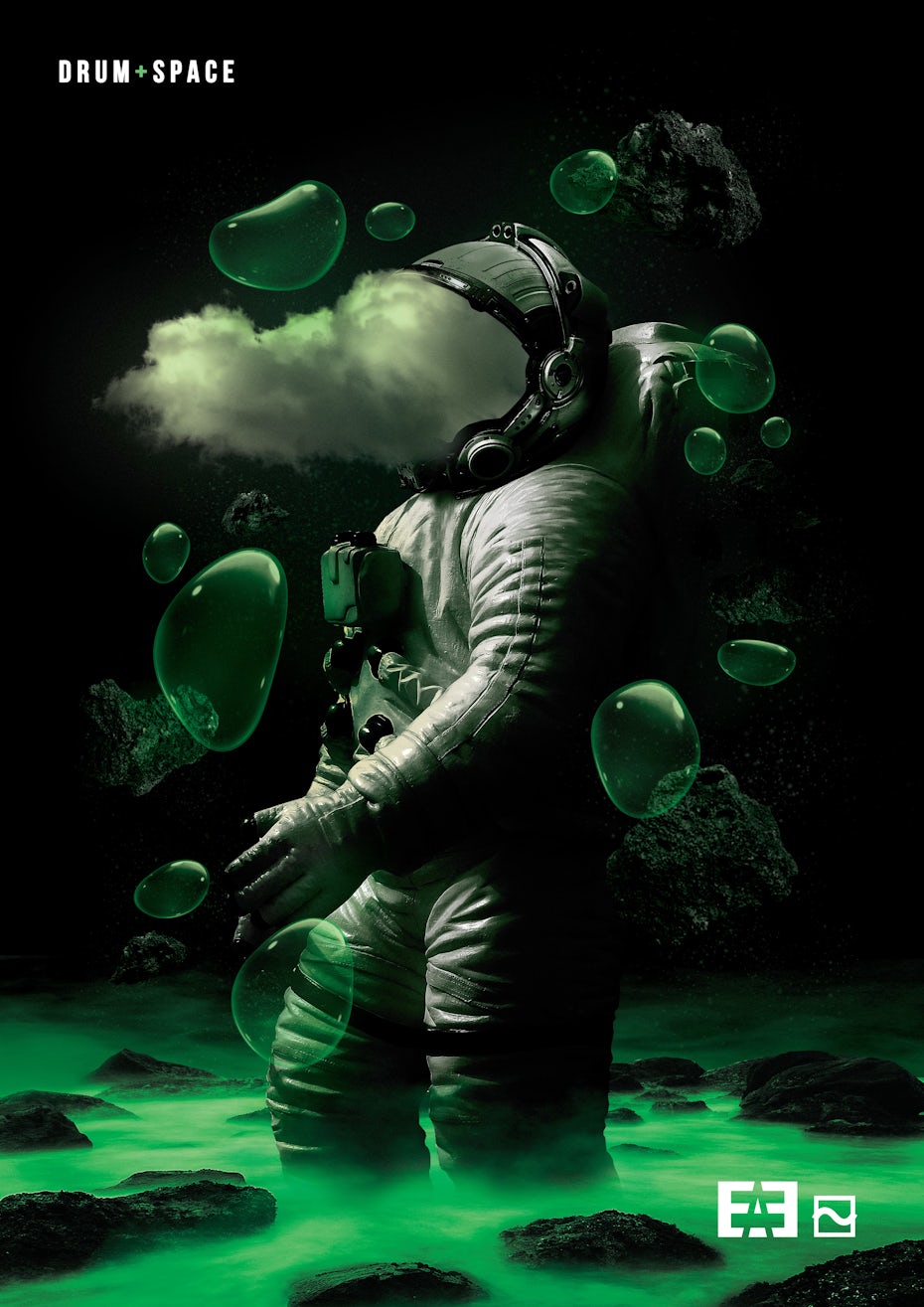
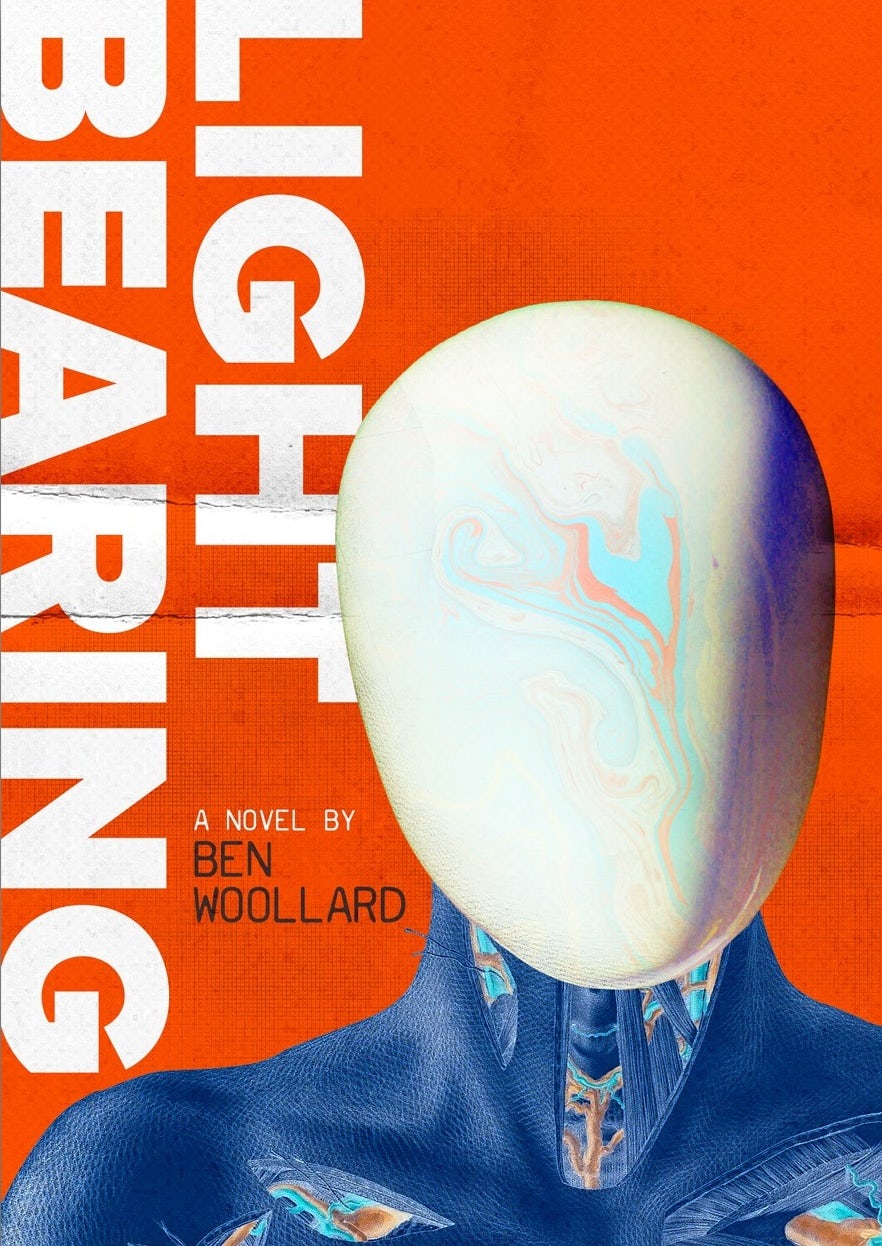
Poster design showing an astronaut full of smokeBook cover showing a faceless androidSurreal illustrated album coverPixel art album cover showing a nuclear explosionPortrait illustration with abstract polygons

Though the genre largely depicts a future gone wrong, things aren’t always as hopeless as it seems. Dystopia often takes the form of a cautionary tale, reminding us to keep our eyes open and wary. So far this trend shows up mostly in illustrative media such as album covers and t-shirts. While it can be unsettling, these styles are effective ways to get viewers to pause and reexamine the world around them.

Dystopia is a trend with something to say, and its popularity signals that in 2020 designers are grabbing the microphone.

7. Hyper-pastiche

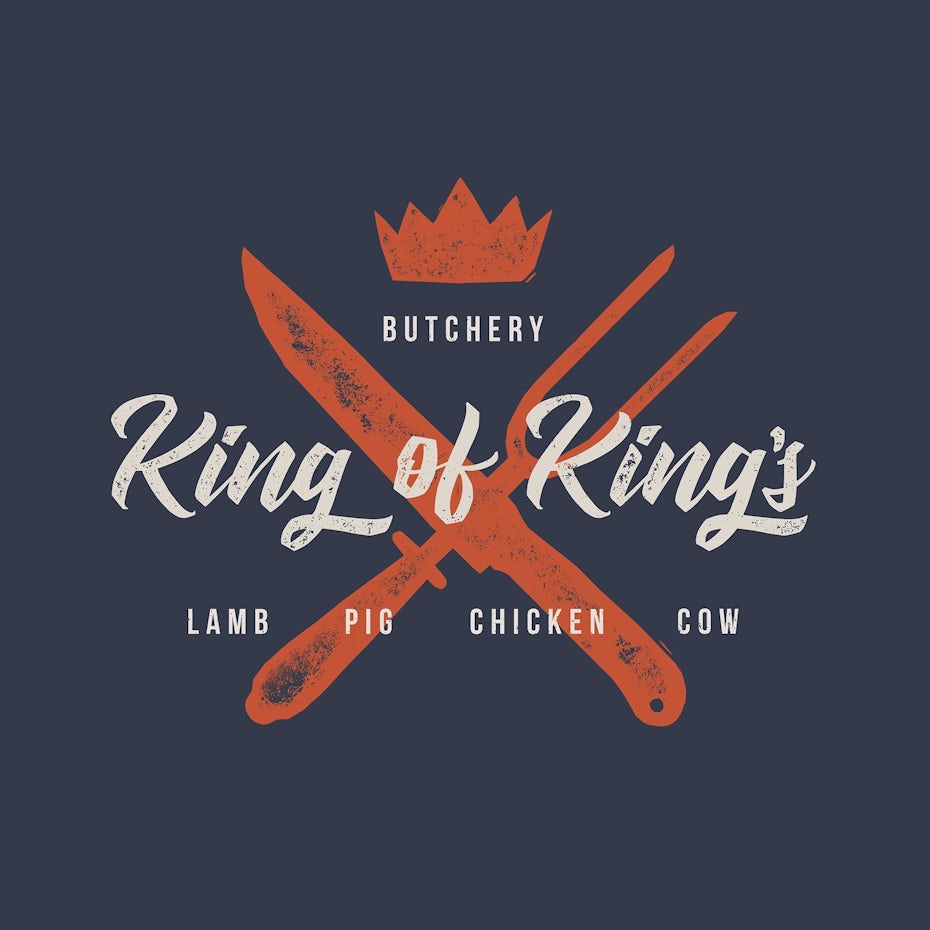
Medieval stained glass style logoLogo design featuring woodcutting techniquesRustic logo type for a butcherLogo design based on playing cards

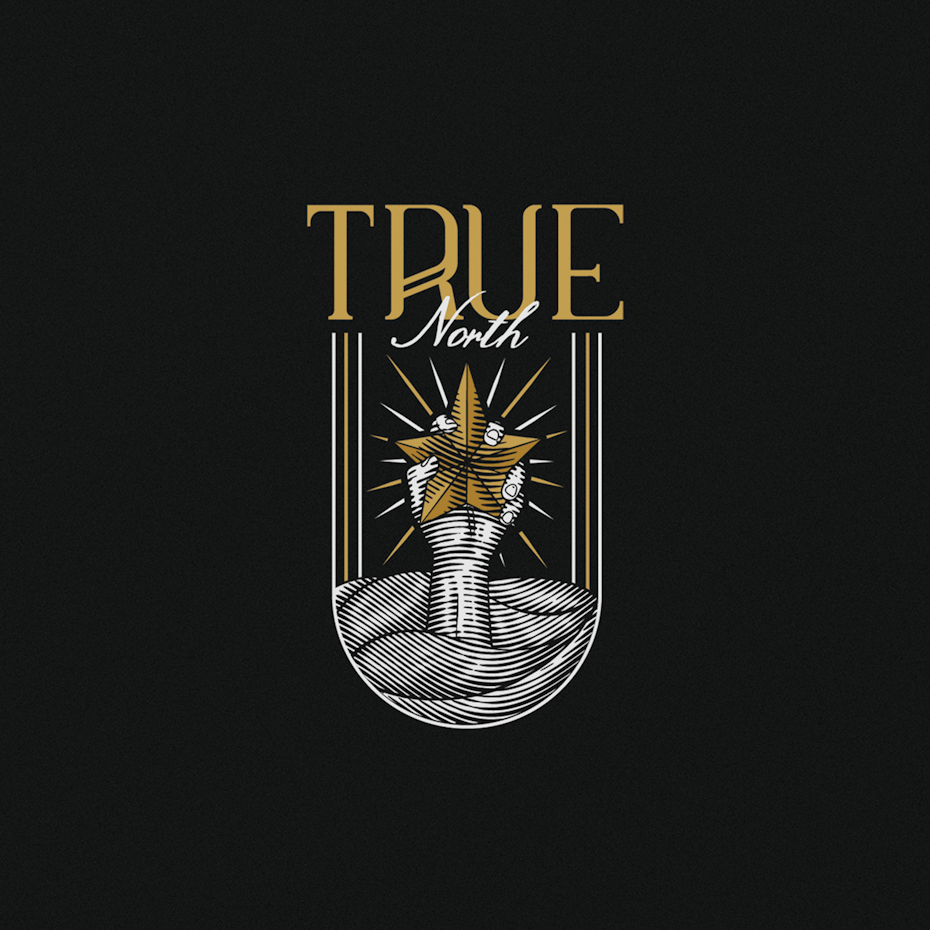
No graphic design trends list would be complete without a vintage inspired look making some form of comeback. What makes 2020 unique is hyper-pastiche: designers won’t revive one specific era but pretty much all of them. Whether it’s Victorian or Medieval, Art Deco or Art Nouveau, past art styles are merging with modern designs in one massive chronological collage.

I think the vintage style with modern elements and colors (and vice versa) will be very strong in the next year.
- KisaDesign, Top Level designer at 99designs

On one level, 2020 graphic designers are paying homage to their forebears. They’re seeking ways to redefine the digital aesthetic, and who better to turn to than the old masters? This is why an Art Nouveau flourish transforms what could be a basic lettermark for Madeline Jordan Photography into something special.
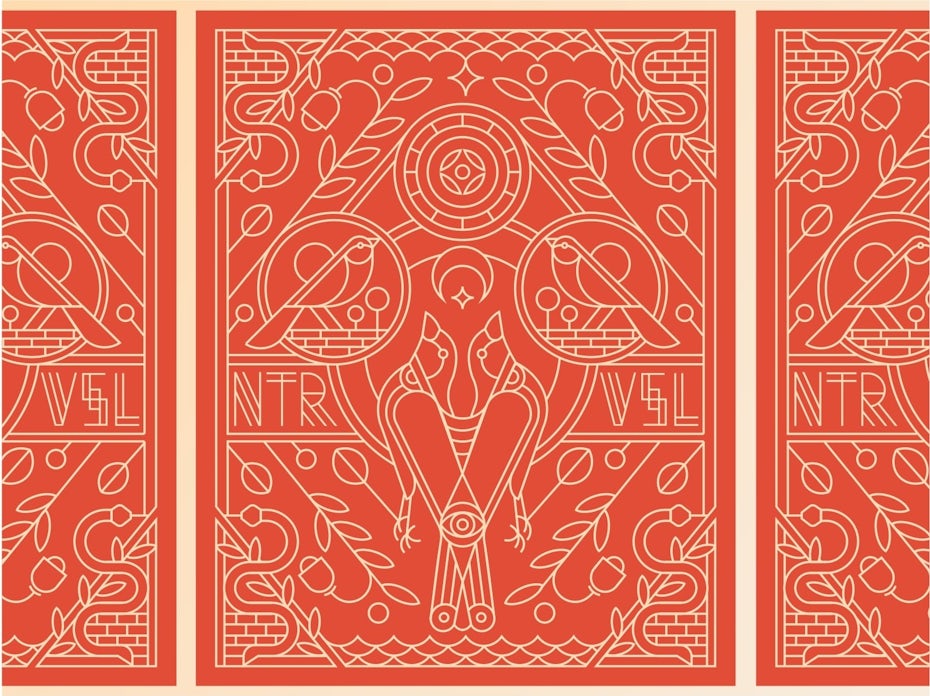
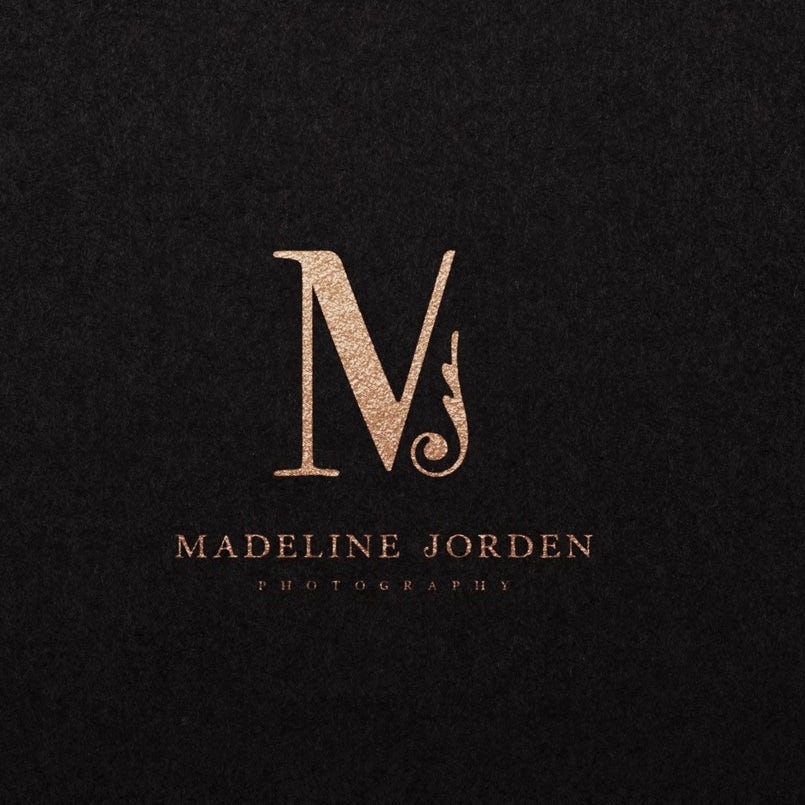
Poster design with art deco inspired geometry
Monoline vectors are constructed into intricate geometrical symmetry reminiscent of art deco. Design by Skilline.
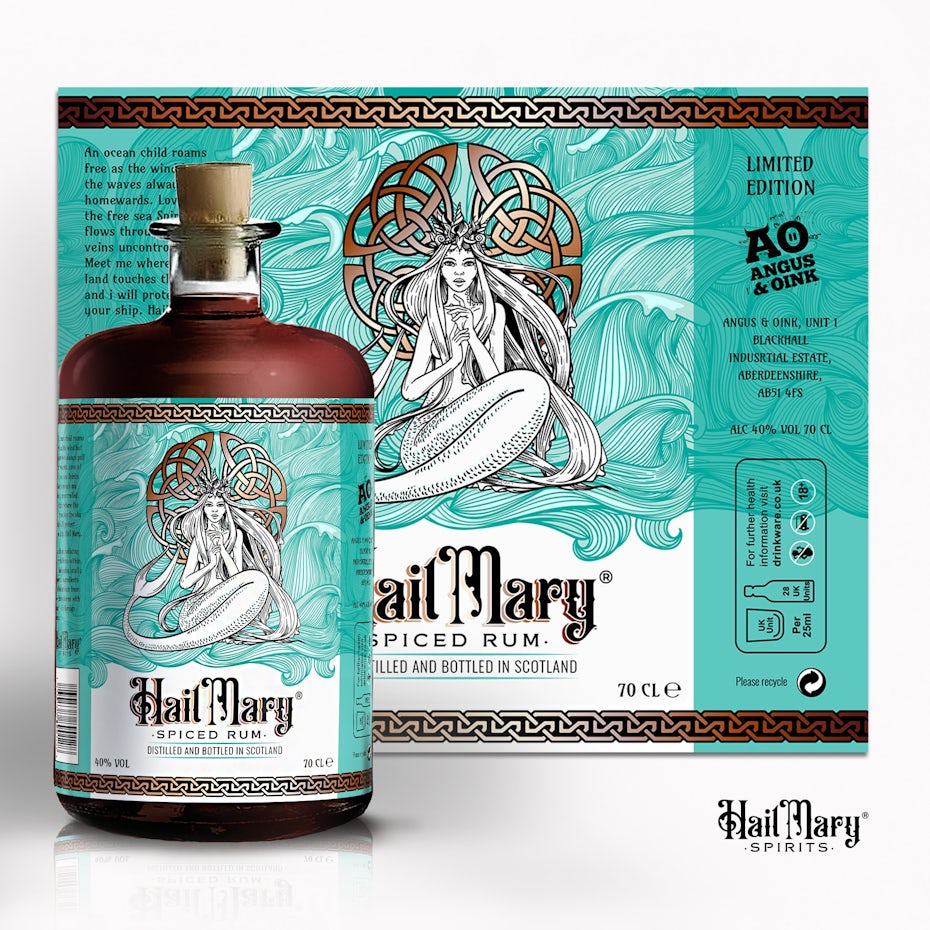
Lettermark logo design with an art nouveau filagreeTeal label design with a mermaid illustration and celtic symbol

On another level, designers are taking advantage of the contrast between our digital images and past aesthetics to appeal to an old-world grandeur that is so often lost in vectorized simplicity. Bebop Guitar Series below gets the best of both worlds by fusing vector shapes with 1920s Harlem Renaissance abstraction.
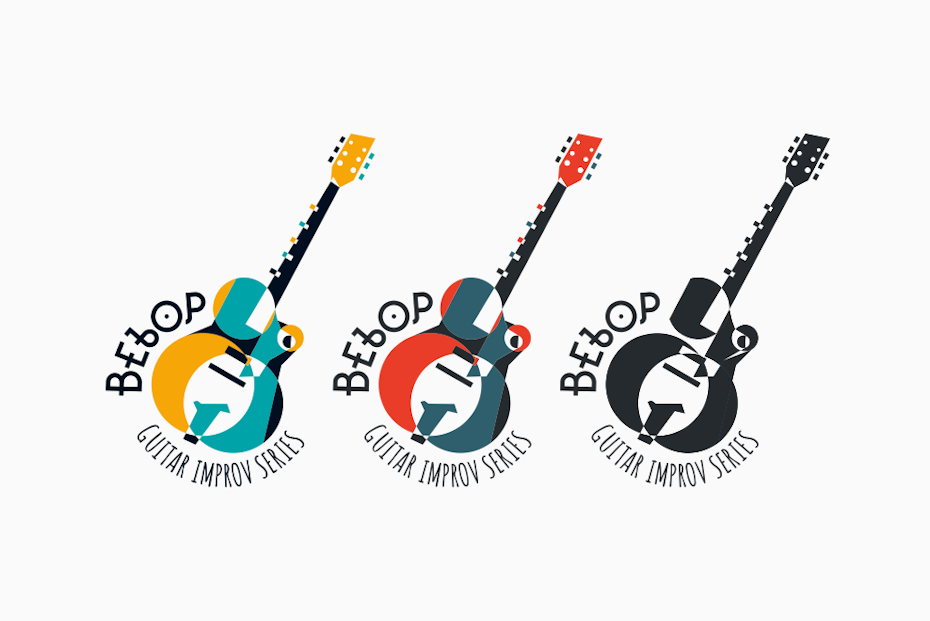
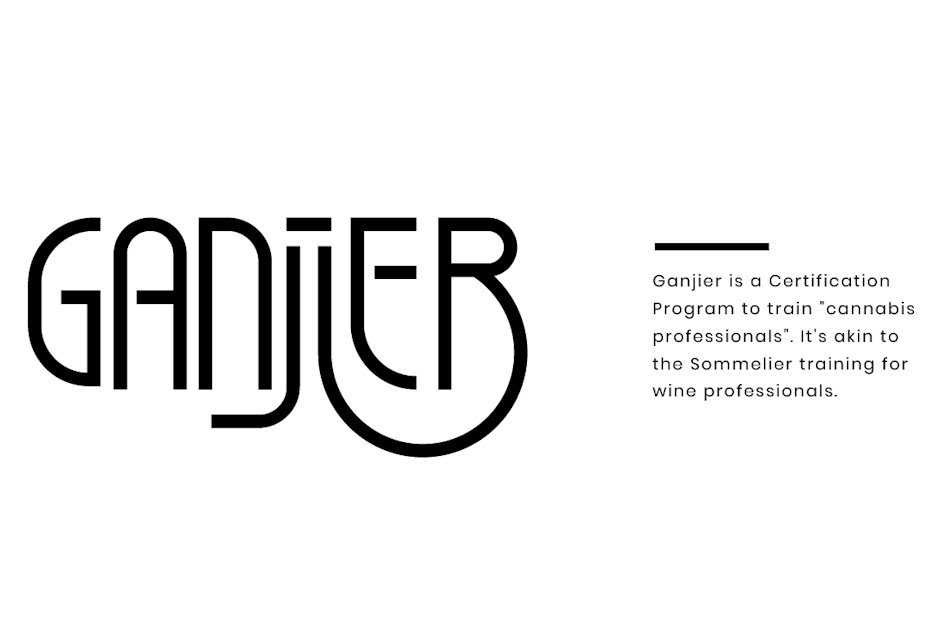
A Harlem Renaissance inspired, abstract logo designArt deco inspired typography
The trend of Art Deco style designs is bound to stay. Some modern color implementation will change the mood for such designs. But in general the style is here to stay as it connects in a more personalized way.
- Terry Bogard, Top Level designer at 99designs

The challenge of pastiche is to make these disparate aesthetics feel like each one is contributing equally to a cohesive piece. If done well, the effect is to eradicate the line between analogue and digital—maybe for good.

8. Continuous animation sequences

Animation with seamless transitionsHand-drawn animated logo presentationAnimated logo designInstructional animation sequence

Though it can be a steep investment, animation is one of the most powerful ways to bring a brand to life, and it has become increasingly commonplace online. This is usually in the form of microinteractions and explanatory motion graphics, and if there’s one group of people who want to push the boundaries beyond the commonplace and the usual, it’s designers.

A seamlessly smooth animation by Daniel Tan, via Dribbble
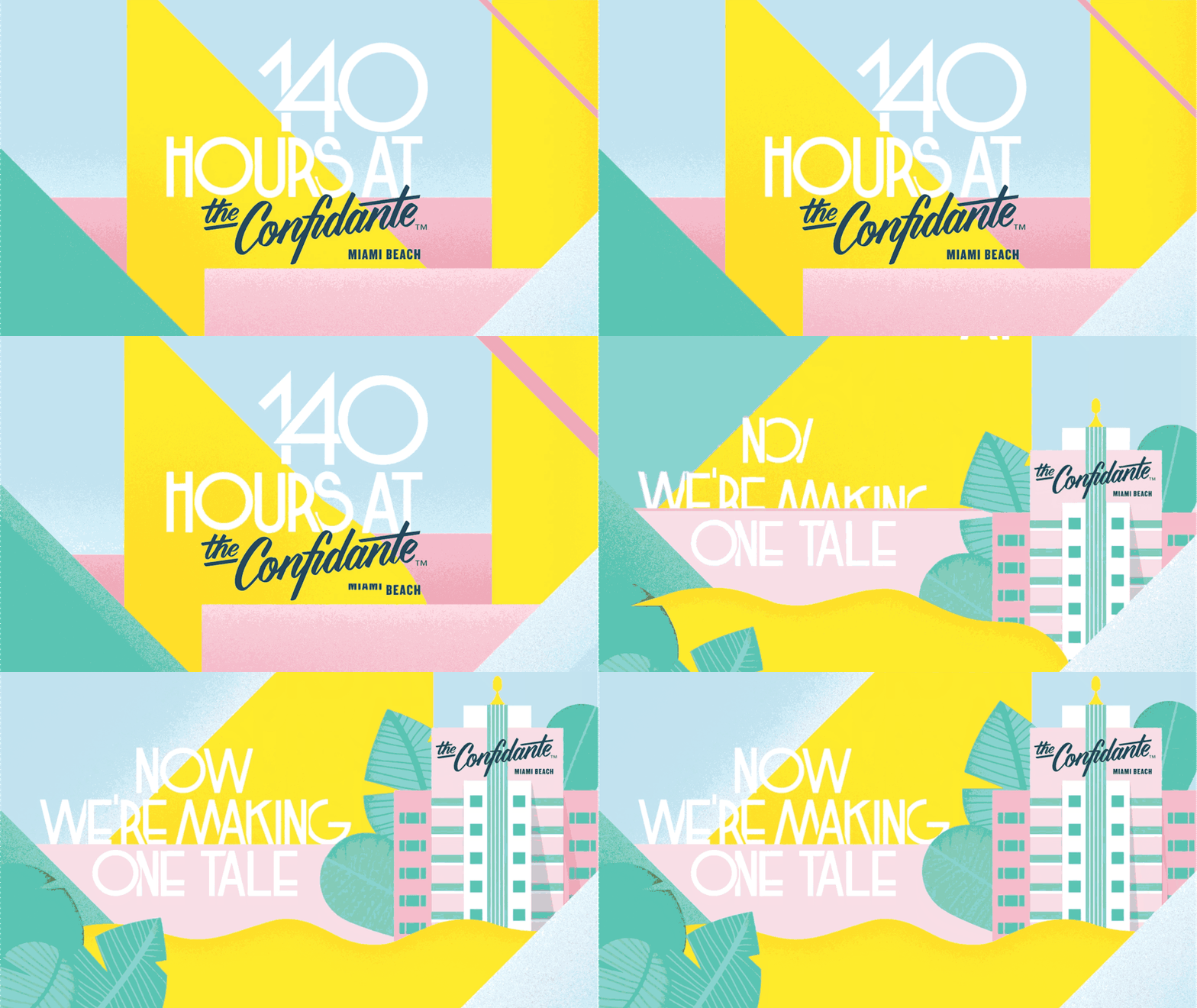
Animation with seamless transitions
A fluid animation via Le Cube
Rather than simple motion graphics, animation sequences will evolve to be more of a story, involving continuous movement where each portion of the graphic is tied to the next scene.
- Adrianne Mesnard, Art Director at 99designs

In 2020, continuous animation sequences heighten immersion with seamless transitions that build each scene in real-time out of the elements of the current frame. This is useful for brands who want to take their viewers on a journey, making them feel as though they are flying through an ever-morphing world. Animation is already magical, and dynamic transitions like these keep the spell from breaking.

9. Bevels and chisels
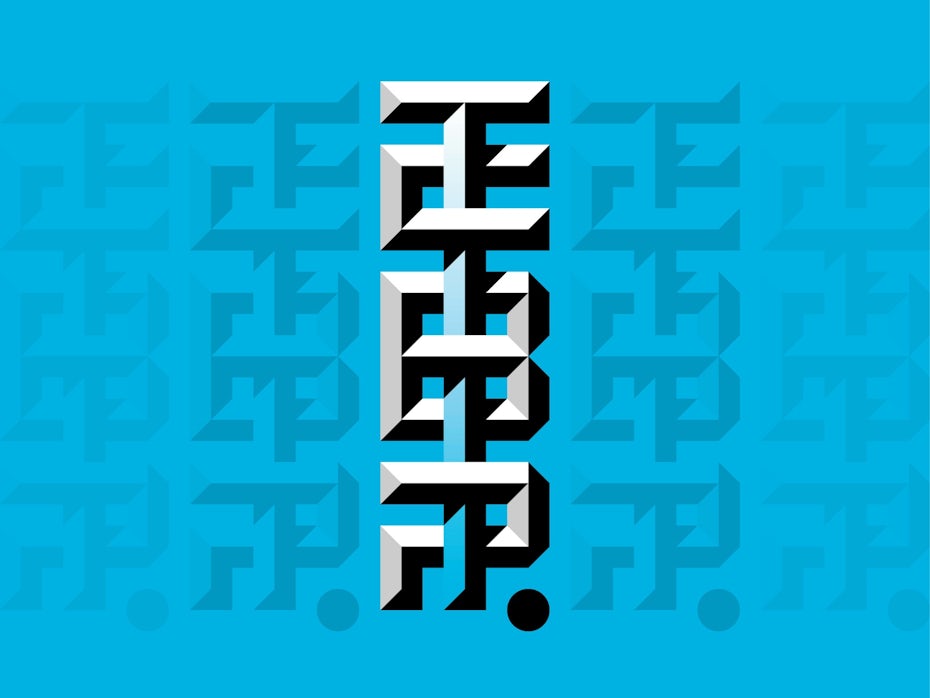
Beveled monogram logo with strong shading
A beveled monogram logo with strong shading by Studio Day Job, via Dribbble
Hand-lettering with a chiseled lookHand-lettering with a subtle chiseled look

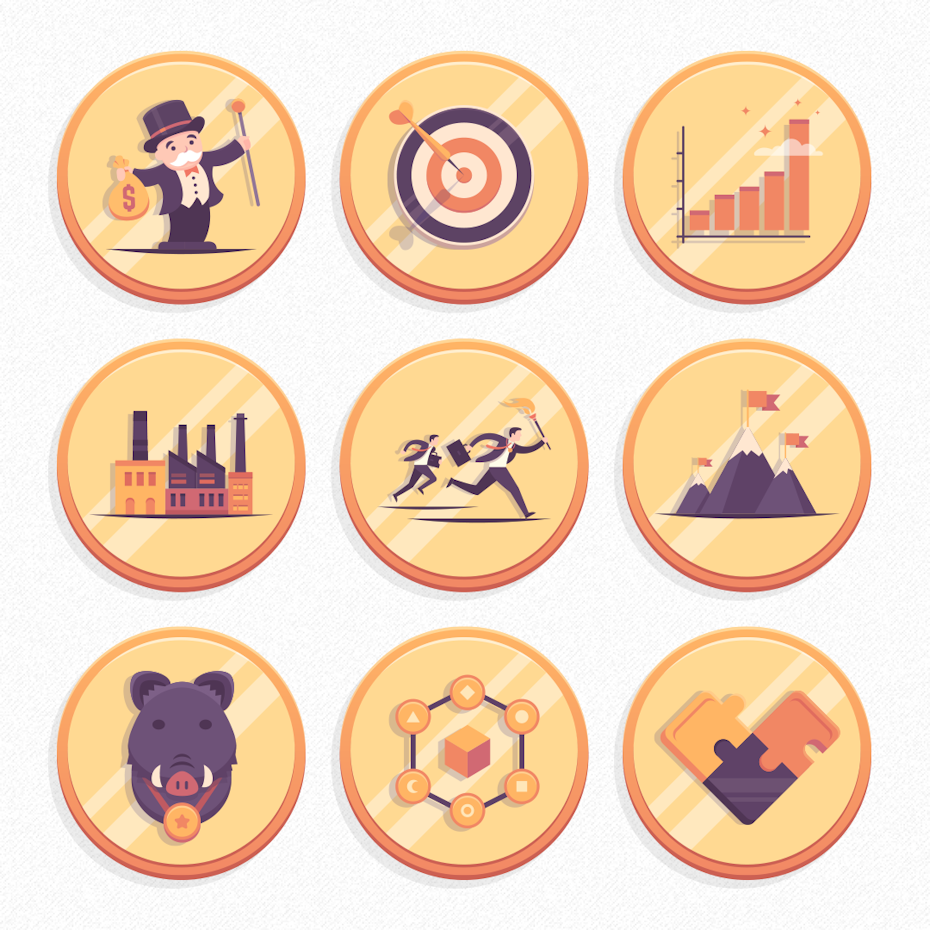
By creating 3D forms out of hard lines, the bevels and chisels trend harkens back to the classic struggle between skeuomorphism and flat design—except that designers have come up with a solution that incorporates both. On the skeuomorphic side, these designs subtly mimic real-life objects (like raised buttons, engraved coins or beveled stone), but they’re constructed out of flat colors. The end result is a flat image that looks tantalizingly real enough to touch.

duel of doves logo with bevel effect
The bevels in this logo create a unique engraved effect, via Duel of Doves, the Side Hustle podcast
Illustrated coin-style icons for a gameApp icon with 3D chiseling
I see the noise trend morphing back into bevels, with tight layering and opacity effects, combed with gradient and line for depth. I am keen to see how these styles expand as the effects are pushed and pulled. Ultimately, I wonder if realism is coming back: inner shadows on buttons, patterns and more noise.
- Luke Farrugia, Product Design Lead at 99designs

3D stone-cutting techniques are particularly helpful in designs for digital scenarios, such as app icons and buttons. They create a tactile experience for users and mitigates the endless flatness that dominates the visual aesthetic of screens.

10. Live data visualization

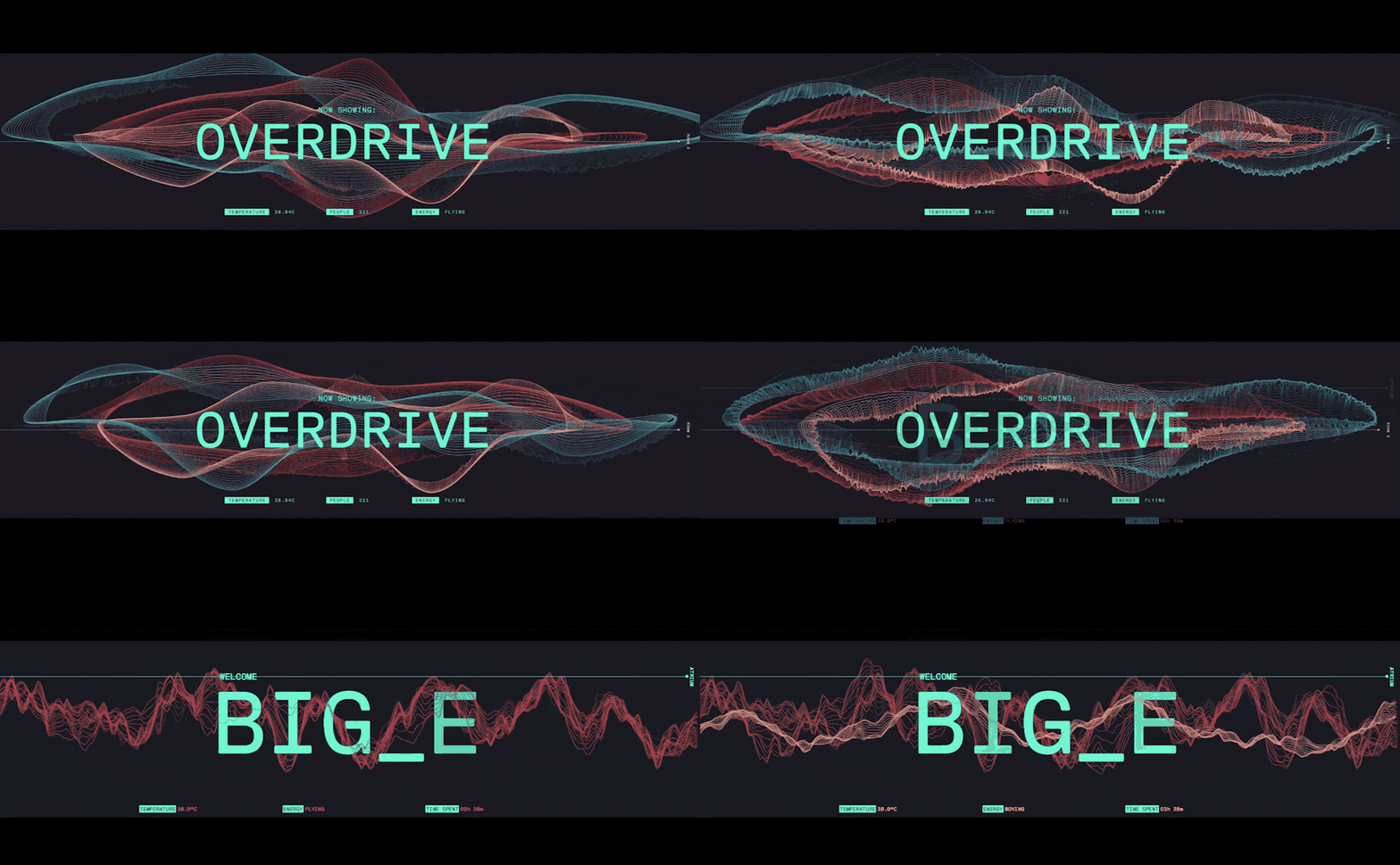
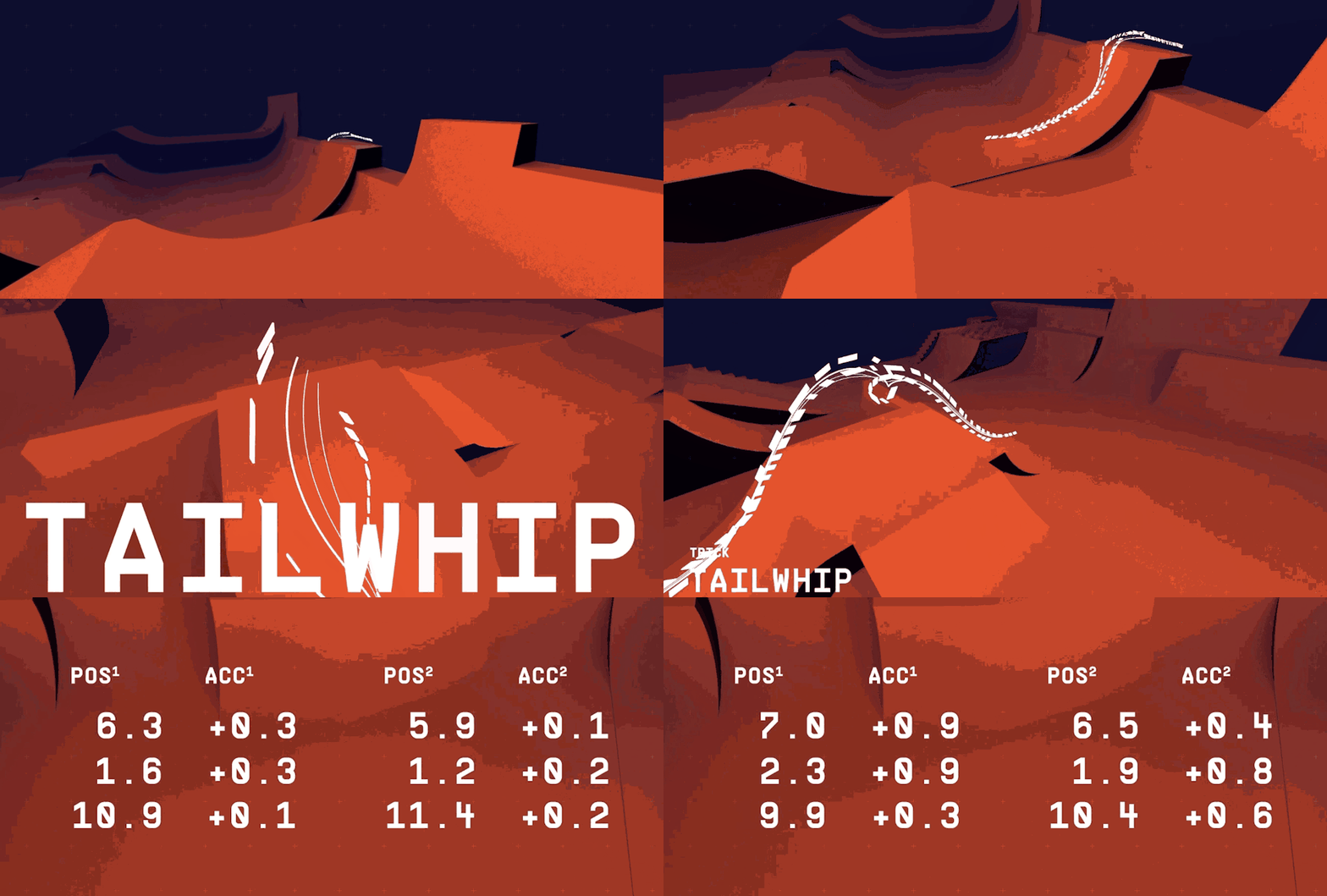
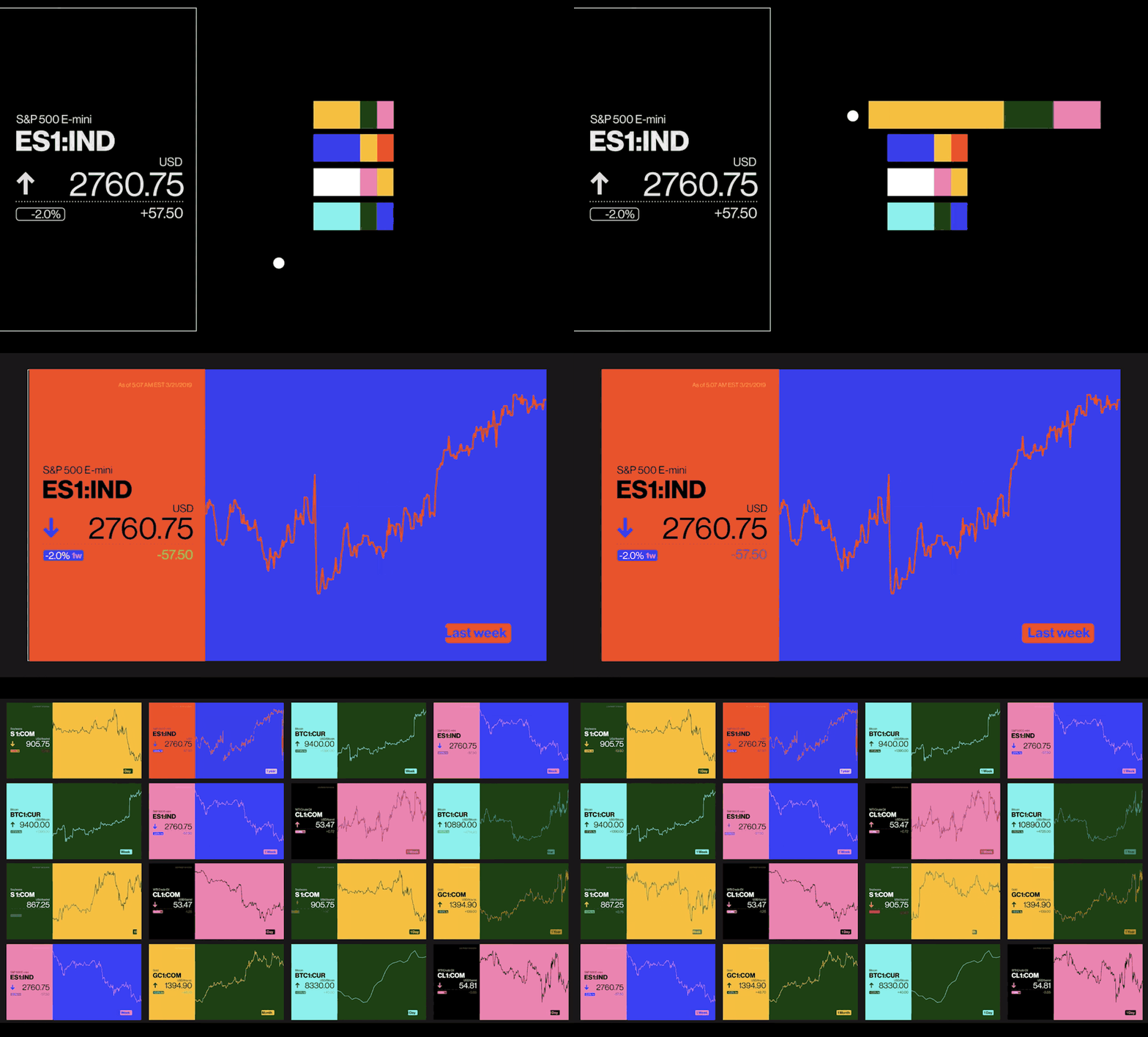
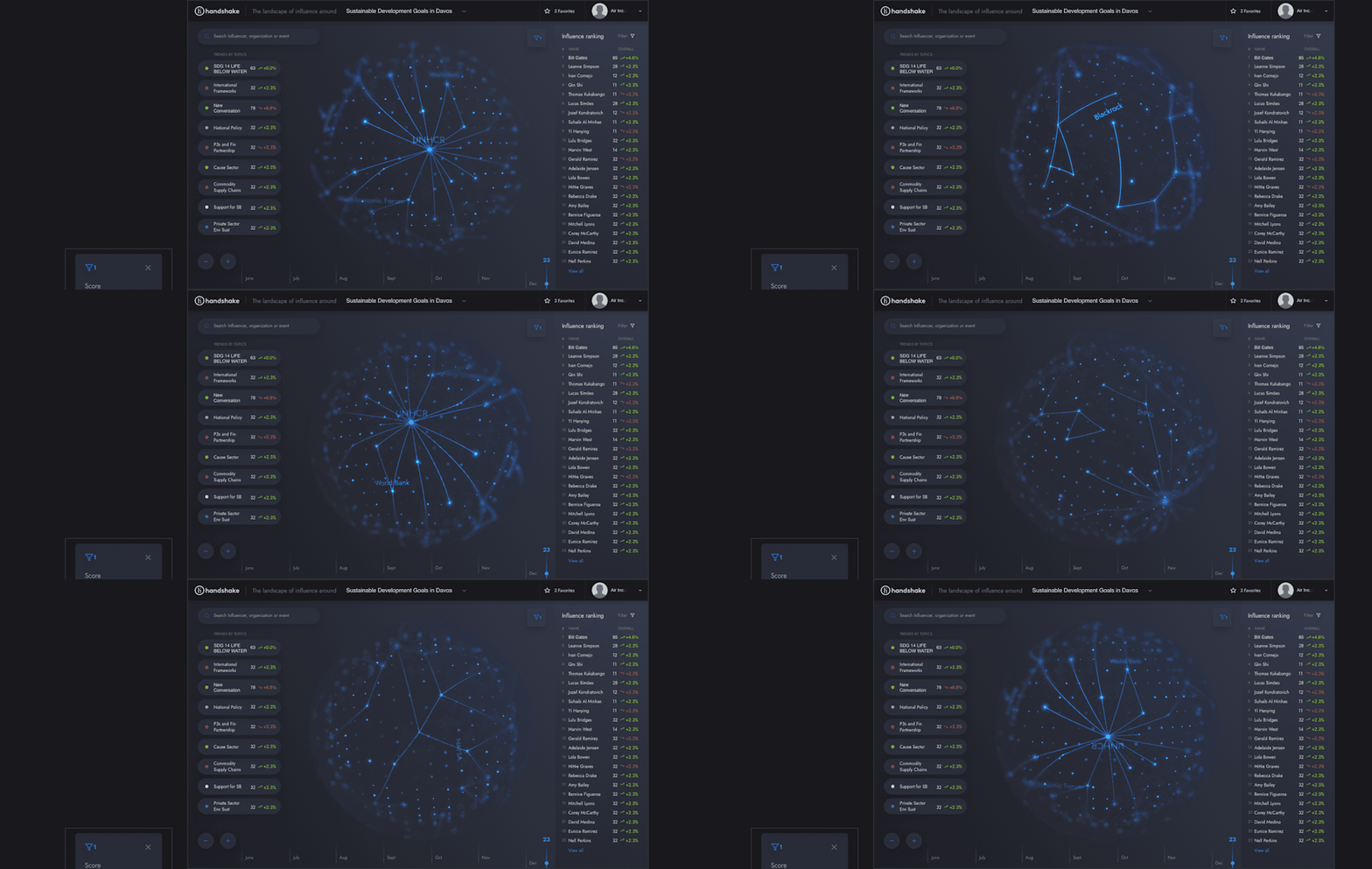
In 2020, complex live data—like dashboard stats—will become even more immediately available, and designers will need to showcase information in a way that adapts to changes and dynamically animates. The concept is not unlike the visualizations on music apps like Windows Media Player that interpret soundwaves into abstract graphics.
Animated live data visualization
Charts and graphics are animated live with bold colors. Via Algo.
Animated live data visualization
Global data is visualized in the cyber world. Via Behance.
Animated live data visualization
This animation is for live visualizations to be displayed on a big screen at a night club. Via Behance.
Animated live data visualization
This visualization shows instant replays of BMX tricks. Via Behance.
We live in a world of Big Data now, and we definitely see Data Visualization & Live Elements playing a much bigger role in design. From live, always-updating dashboards to kinetic, engaging stats, 2020 will be the year that web design and typography takes a leap into the always-changing world of live data.
- Ben VanderVeen, Art Director & founder of Moss and Fog

From a stylistic standpoint, designers are going for a distinctly digital look with dark interfaces, heavy blues, abstract polygons and typography reminiscent of VHS technology. This is data that comes from a computer and is not trying to hide it.

This style is also a marriage of many of the graphic design trends listed above—neon color schemes, organic geometry and dynamic animations. The effect is to feel as though you’ve been transported directly into a mainframe where you can witness all of this computer magic happening in real time.

Graphic design trends 2020 are just the beginning

2020 will be about disparate elements coming together: the past and the future, the geometric and the organic, the real and the artificial. Maybe these design trends are just a coincidence. Maybe they say something about the mood we’re all in. One thing is certain: the 20s are off to an electrifying start. Whether this momentum will sustain itself over the coming decade depends on designers everywhere.

Do you need gorgeous graphic design?
Let our brilliant designer community create something unique for you.

The post 10 stunning graphic design trends for 2020 appeared first on 99designs.

Thursday, November 7, 2019

Tired of canned stock photos? Here are 4 reasons to source from newer stock sites.

Finding and using design-ready stock images—at its core—is a pretty complicated ordeal. And as a graphic designer, you probably understand that pain already.

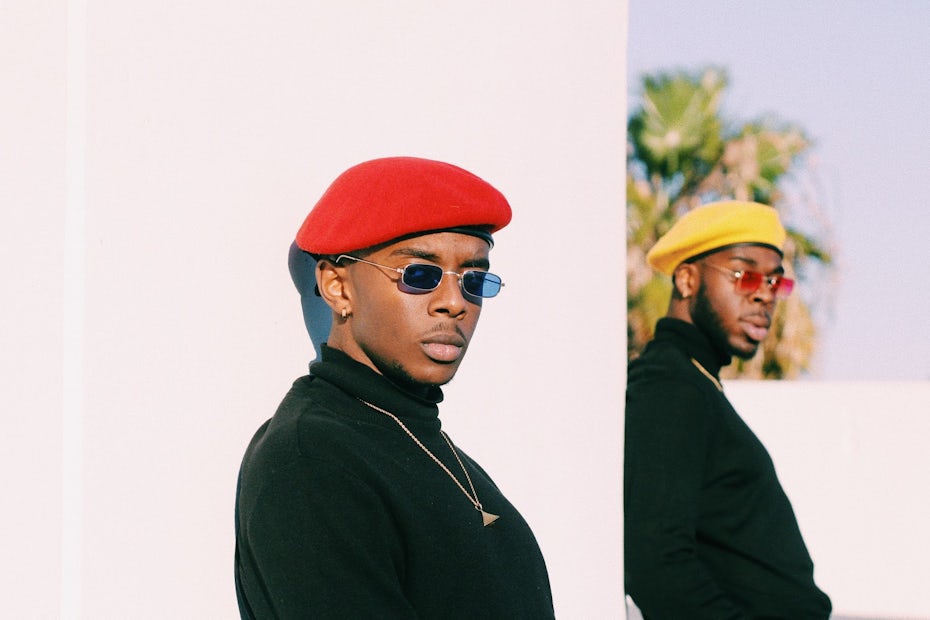
Stylish stock photo
via Zimuzo Duru, USA, @zimuzoo

Picture this: You’re on an unfamiliar stock photo website scouring for an image to use on a website’s landing page. Preferably something that doesn’t scream “stocky,” but also isn’t too raw to be unprofessional. After a while, you stumble across an image that could be a fit for your project—but you hit an unfortunate snag.

Next to the photo is information about an extended license from the stock website, and it looks like you’ll need to purchase one for use on the brand’s landing page. But you don’t have the budget to move forward: The photo’s extended license is over 3,000% more expensive than the standard.

You’re not really getting what you need to justify that kind of pricing. The photo is nice, sure. But it has that sterile stock photo aura, and it doesn’t spark any sort of creative inspiration in you. So, would it really spur your audience to take action? With the complications of image licensing and the canned photos that abound online, designers face these kinds of problems more often than not. When sourcing visuals for the content you create, you’re paying more for photos that say less.

Why using authentic images matters

Millennials and Generation Z-ers now make up the biggest swath of the U.S. population, and they go out of their way to patronize authentic brands—ones that actively put their values into practice. It isn’t enough to just tout values like diversity and equality in a mission statement and go about business as usual. To earn customers (and loyalty), brands actually have to put their money where their mouth is.

This means more designers than ever are searching for budget-friendly, authentic solutions when sourcing images for their designs. They need something real—visuals that reflect the human element they put into every design—and want to see people in images that look like them, their friends, and their customers. That’s why it’s important to use diverse stock images that feel authentic and unique.

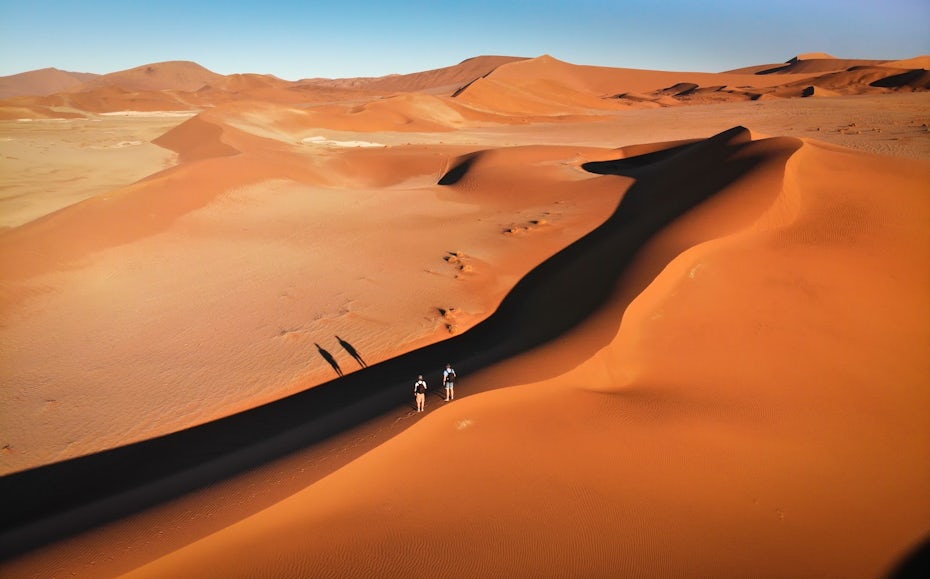
Two people in desert
Find diversity in people and places. Via Claudio Duarte, Netherlands, @claudio_on_a_journey.

A better visual solution

The best way to find better images is by joining newer libraries that focus on more diverse and authentic images. Some also offer unlimited image subscriptions with more inclusive licenses. All in all, this avoids any licensing agreements that gum up design processes and cuts out limited package deals.

I co-founded Scopio a few years ago to meet that need and provide a better, more well-rounded solution. Our team saw the lack of humanizing images available to designers and agencies, so we went to work curating a large visual library filled with real-life content.

We did this by reaching out to budding photographers and content creators on Instagram—people with amazing photos that aren’t sure how to start selling them. In contrast to seasoned photographers that set up shoots only to sell them on higher-profile stock websites, we found that these smaller-scale creators tend to make images that are much more candid. We found that their work had a more genuine feel.

4 benefits of using alternative stock sites

In using newer, alternative visual platforms, you’ll discover benefits across the board. Here are a few more benefits of using commercial-ready images from more open-minded photo platforms:

Perspective stock photo
Today, brands and creatives are seeking images that carry a more “human” element. Via Piotr Zemlak, Poland, @piotrzemlak.

1. You’ll work with up-and-coming photo creators

In our work curating photos, we’ve found that fledgling photo creators are excited to get their foot in the industry door and work with designers and companies. Because this is trial and error for them, they’re much more likely to give newer image websites a try. Seasoned photo creators, on the other hand, tend to stick to established websites where they’re guaranteed to get more eyeballs.

One Scopio photographer said it best:

“I have a huge library over the years of photography that have just been sitting on a hard drive. As part of my goals for this year, I decided it was time to get them out there and do something with them!”

2. You’ll discover something fresh

Colorful stock photo
One of Scopio’s image submissions. Scopio’s images are sourced from up-and-coming visual content creators from 160 different countries. Via Jazper Ong, Singapore, @jaznolife.

Terrible stock photos are most certainly an epidemic (and I’ll spare you the dusty memes and jokes), but the bottom line is that they’re just as pervasive as they were a few years ago. If you’ve ever searched for images, you’re more than familiar with the kind of photos I’m talking about: sterile, overedited and canned images that seem more akin to design placeholders than actual photos published on a finalized design project.

Besides this, using the same site as a competitor means you run the risk of using the same image as a competitor. On newer stick sites it’s much easier to dig up something unique (or momentarily popular) to use in your work.

And because contributors to smaller sites are newer to image selling, you’ll also see new faces in each photo. Dominating stock artists often stage photoshoots with a rotation of people, so browsing content from newer artists means you’re less likely to run into the same model over and over again. Just take Ariane—perhaps the world’s most popular (stock) model—as an example.

3. You’ll find photos that are actually diverse

Stylish stock photo
Unlike content that’s created only to be diverse, allowing a wider array of creators to tell their own story results in truly authentic images. Via Alvin Githinji, Kenya, @like_zulu.

Representation in images goes far beyond making a piece of design or branding welcoming to all. It’s a statement that people from different backgrounds matter—that they deserve to occupy the space they’re in. I’ve found that this is especially true in the creative sphere. With every image we use in a project, we contribute to a narrative.

But brands and designers find that even the stock content that’s created with diversity in mind is sorely lacking in authenticity. This makes sense: After all, many of these images are created in a vacuum.

Alternative stock sites pay more attention to sourcing and gathering diverse content from around the globe. And because their images come from all corners of the globe—including areas less explored—it’s difficult to find these kinds of diverse, design-ready images anywhere else.

4. You’ll find different licensing models

It can be difficult to find an image-licensing site without tiered pricing based on licenses or image quality. Newer stock sites offer different licensing models, so you can find the best fit for your needs. All-encompassing image licenses for example make sure you won’t be limited in terms of what you can do with the images you download (unless you’re prepared to shell out some serious cash for extended or commercial-friendly licenses).

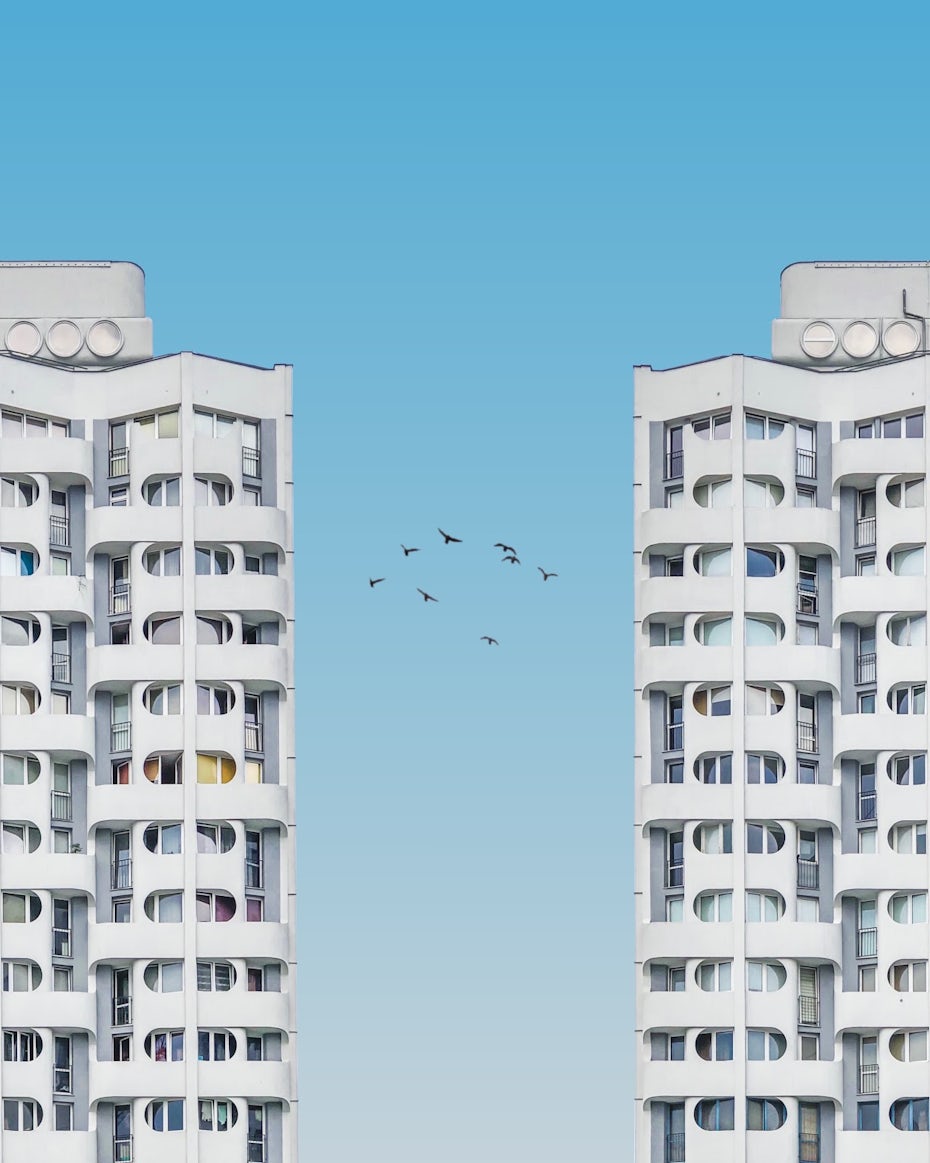
Stock image two buildings
When it comes to sourcing photos for designs, try to find a site with an all-encompassing license to avoid any licensing and pricing snags. Via Piotr Zemlak, Poland, @piotrzemlak.

If you’re wanting to dig up fresher images to use in designs across the board (including commercial uses), Scopio has a deal for the 99designs community. Get one year of access to real-life images for just $29 (a $348 value).* Enter our code during your Scopio checkout to claim your discount: love99designs

With 99designs’ code, you’ll receive unlimited access to use in your designs for your first year. Make sure to apply your code on https://scop.io/account/register under annual plan within 30 days of your initial purchase.

*That’s the same price as other site’s monthly plans, but with unlimited downloads and uses for a year. With trending photos added every day and diverse images you just can’t find anywhere else. It’s also the price of just over seven of your daily lattes—for an entire year of gorgeous photos with nearly unlimited uses (worth it!).

About the author

Christina Hawatmeh is the CEO and co-founder of Scopio, the largest digital library of authentic and diverse images from creators spanning the globe. To chat with Christina and learn more about what Scopio is doing for photo creators, designers and businesses, email her at christina@scop.io or start the conversation on LinkedIn.

The post Tired of canned stock photos? Here are 4 reasons to source from newer stock sites. appeared first on 99designs.
Wednesday, November 6, 2019

28 best real estate website designs that make you feel at home

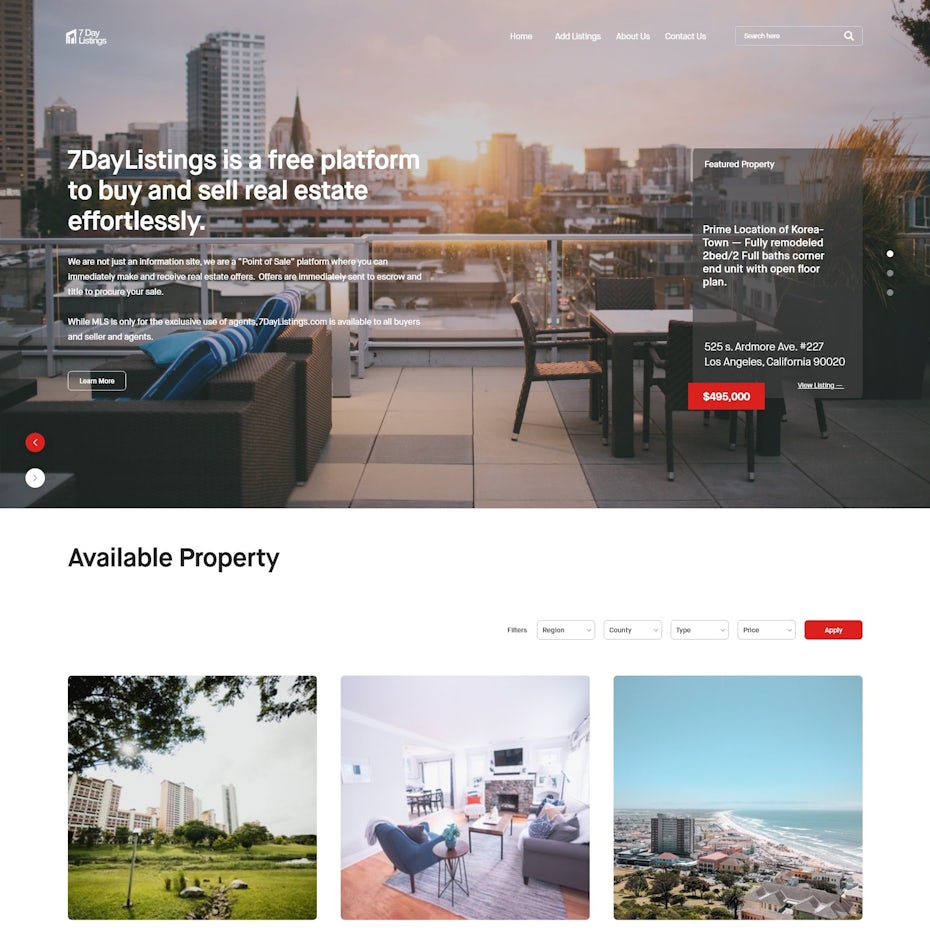
Real estate websites have to be designed to build trust, given that a home or property is one of the most important purchases somebody ever makes. The buyer has to trust that the real estate agency cares as much about their investment as they do. Once a website does that, it has to convert.

Minimalist website showing a modern home
Intriguing website design by Aneley

A website’s goals depend on the kind of company it’s for, and there are a few different strategies real estate websites use to drive conversions:

  • Bringing viewers inside the listed properties and showing them around so that they’re pumped to visit it in person
  • Putting a face to a firm’s name, making the viewer feel like they already know the agent or team before they first meet
  • Giving viewers a crash tour of the area the real estate’s in and everything that’s awesome about it
  • Using maps to show viewers exactly where listed properties are located, down to the block

Take a look at the ways successful real estate websites put these design strategies into action.

Real estate websites that bring you inside

Real estate agencies’ primary goal is to sell (and lease) properties. It’s a whole lot easier to get attractive properties sold and leased, and a website that highlights on beautiful spaces can make sales a cinch.

While this approach requires hiring a professional photographer, the investment is well worth it. When viewers look at spaces online, they’re imagining themselves living and working in those spaces. They’re picturing their families gathered around the dining room table for a meal lit by the crystal chandelier or their teams working together in a fun, comfortable work space that gives their brand a home.

Thus, these viewers need to see authentic, high quality photos of the place. Once you have these images, make sure other site elements like typography and color schemes are toned down so that the photos can really shine.

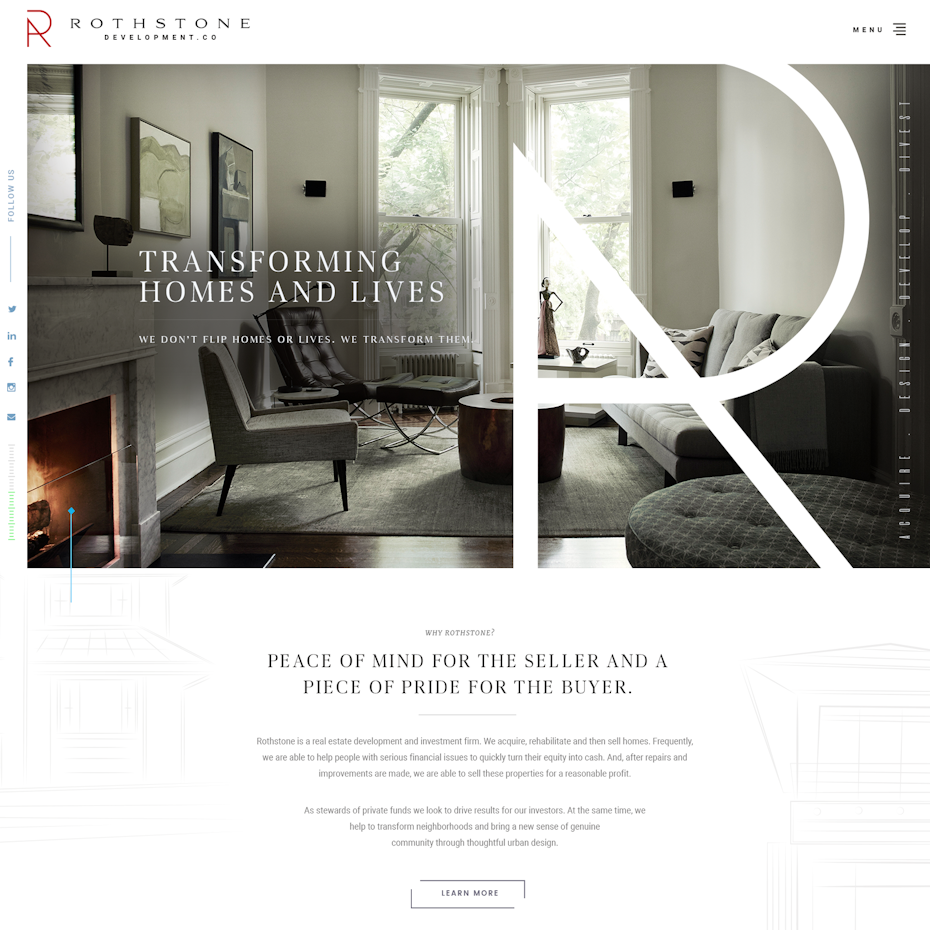
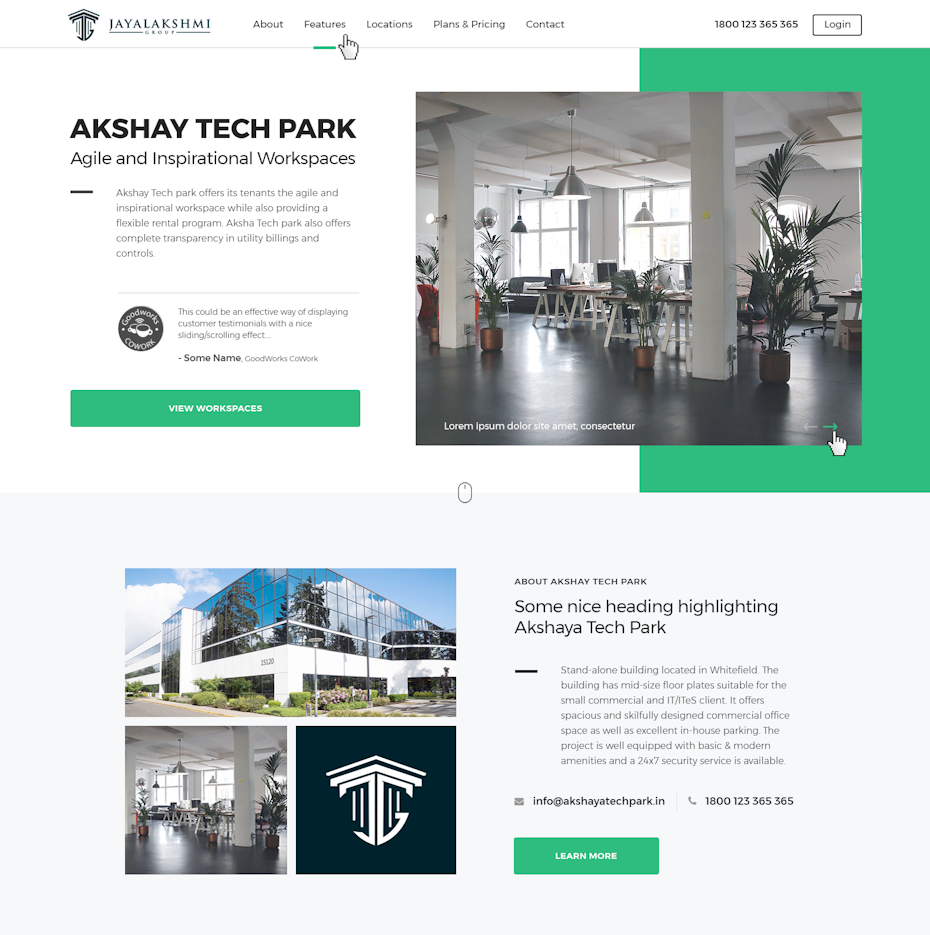
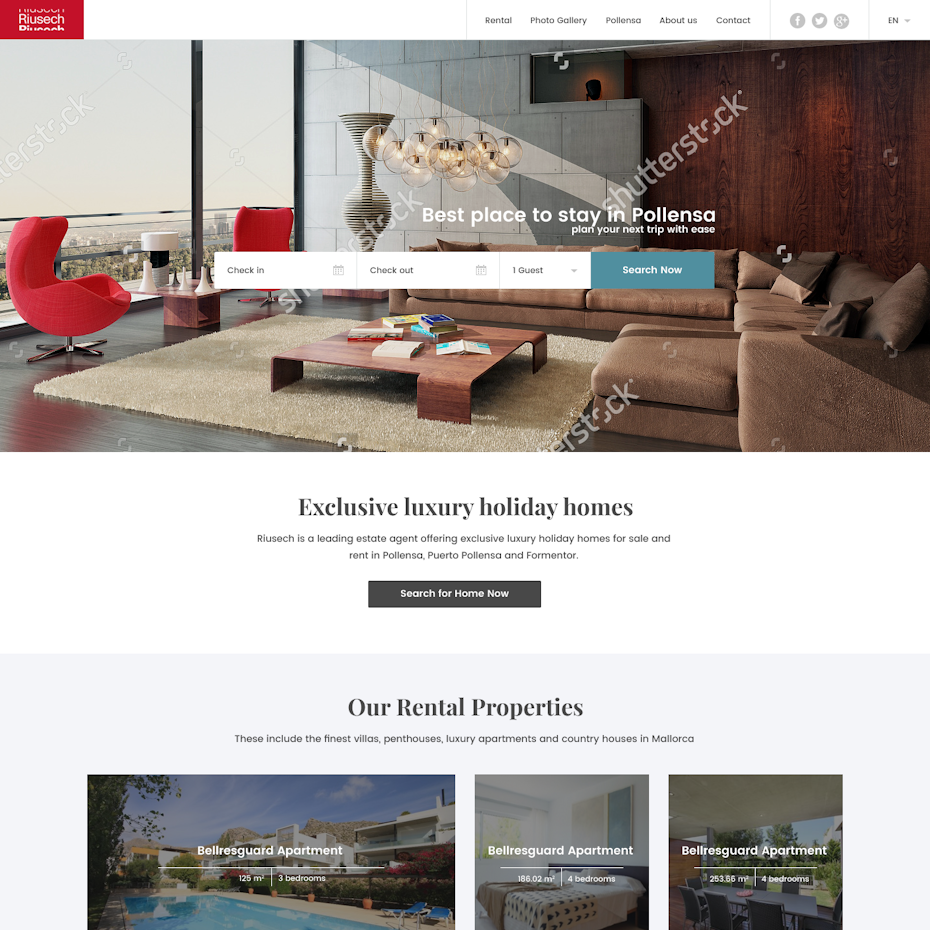
Black-rimmed website showing luxury interiorsGreen and white website showing commercial spaces

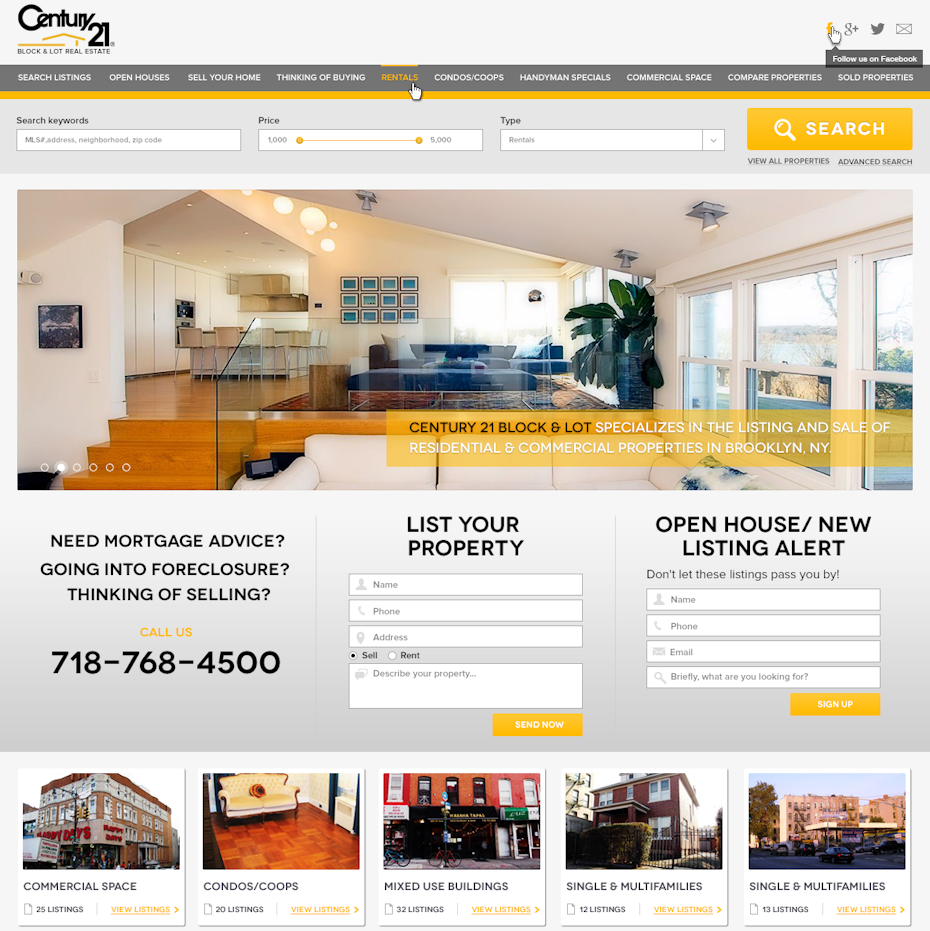
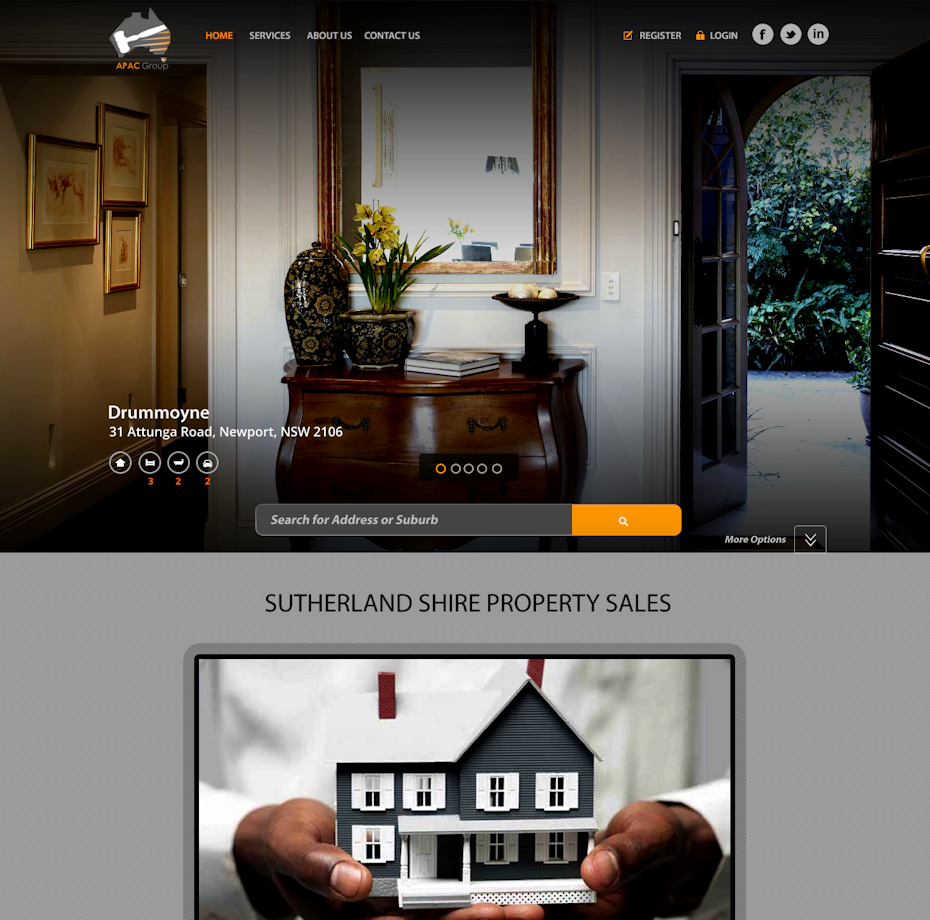
Website designs that give viewers a walk-through are perfect for real estate agencies that specialize in luxury homes and rentals. The design for Rothstone Development Co. above accomplishes this by putting the viewer inside of a home from the moment the site loads–placing the viewer right in the living room where she can take in the window view of the garden outside. The design for Jayalakshmi Group similarly takes viewers on a virtual tour with a big slider image from the point of view of having just strolled into the office.

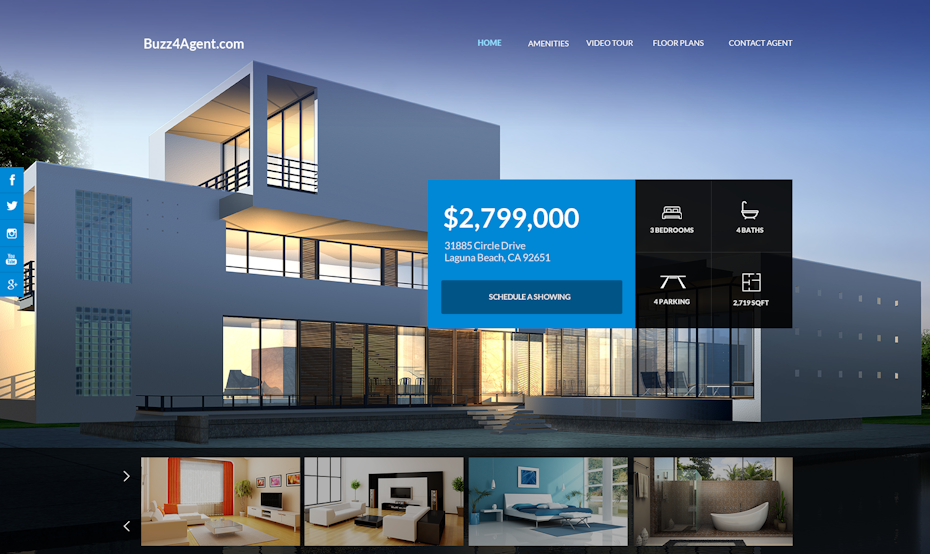
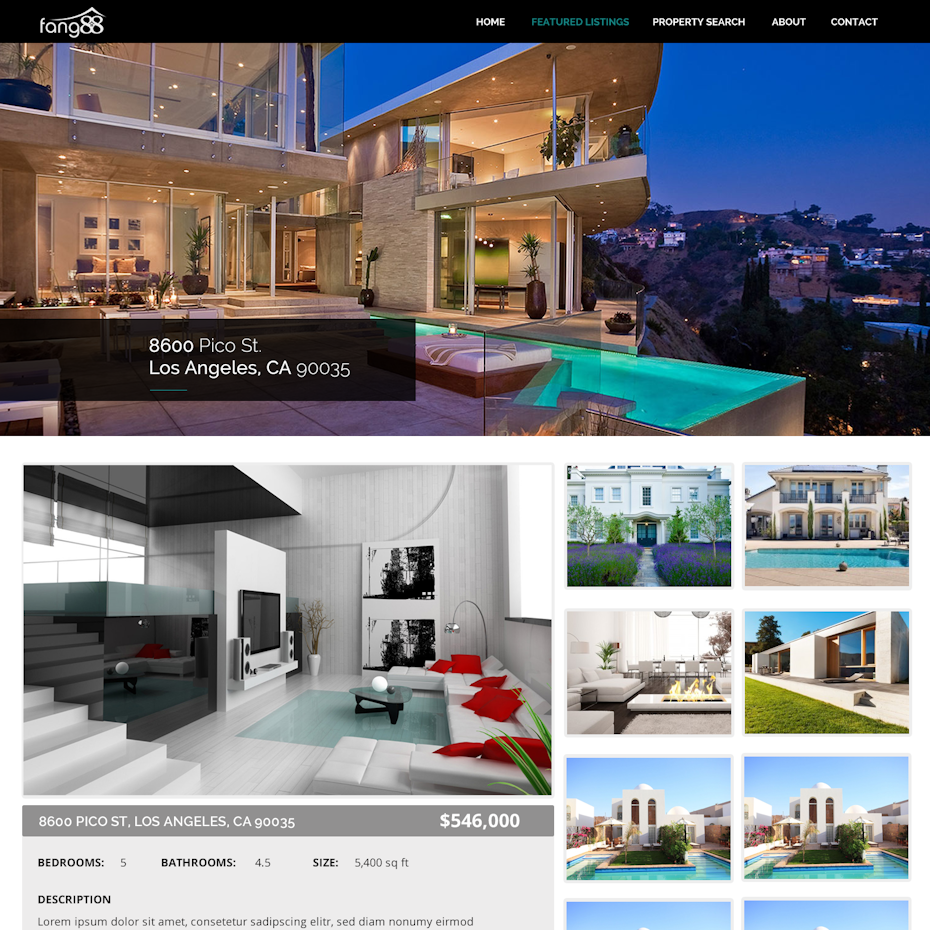
Yellow and gray website showing home interiorsMoody website design with large imagesColorful website showing a modern homeMinimalist website with pictures of luxury spaces

Websites that personalize real estate shopping

Real estate transactions can be intimidating, partially because they often feel so impersonal. You’re reduced to a bunch of numbers like your income and your credit score, and then they push a mountain of paperwork across the desk for you to sign.

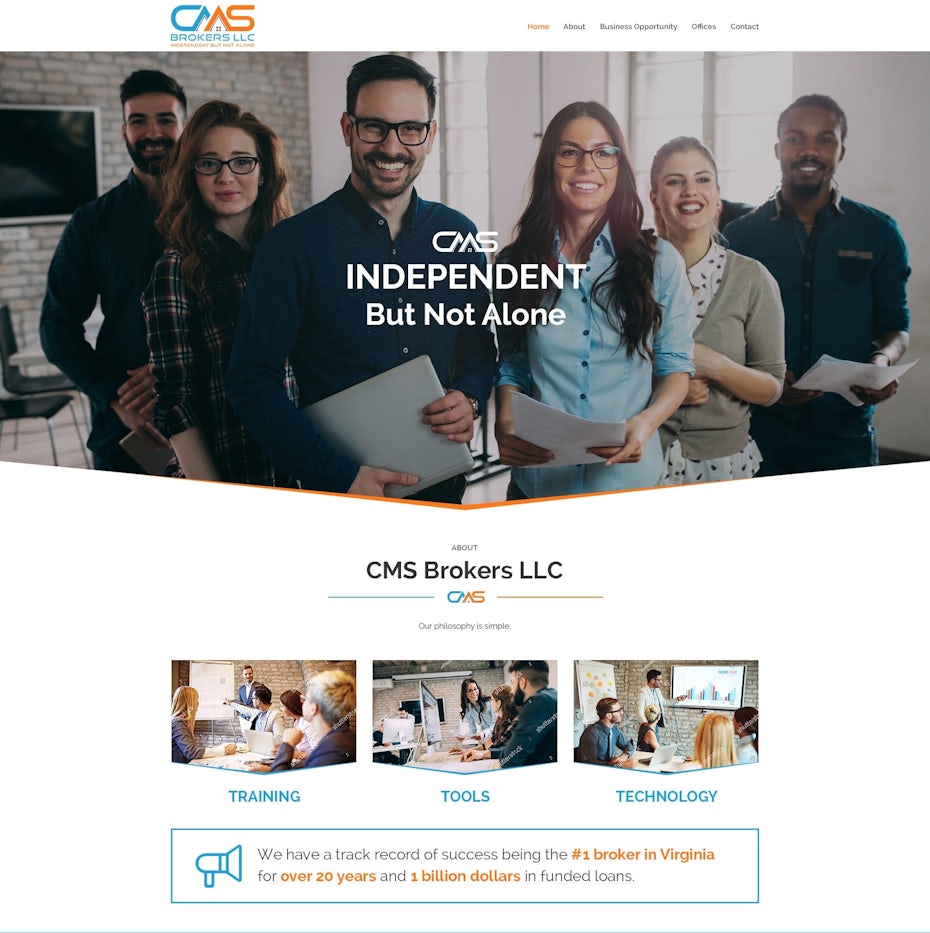
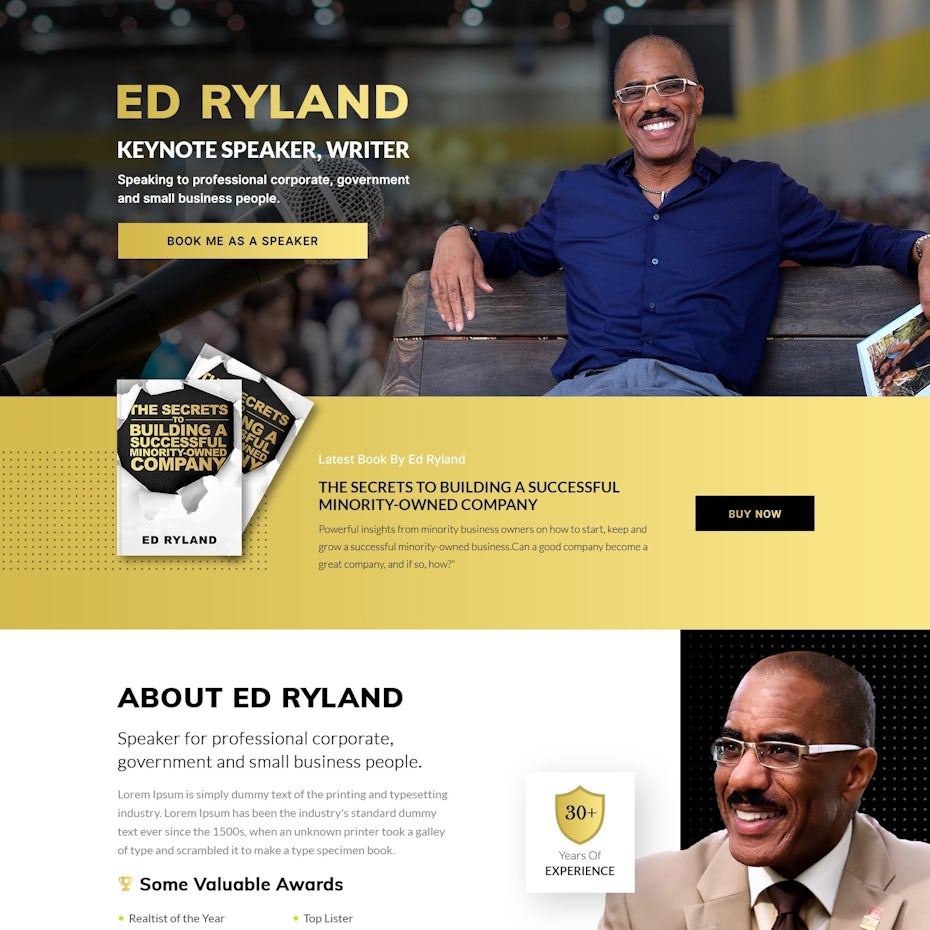
Mobile website design for a broker showing the teamBlack and white real estate website with a yellow accent

Real estate websites can cut out the intimidation factor by designing with approachability in mind. This means choosing inviting colors like the soft blue used in CMS Brokers’s website or an open-feeling, scannable layout and warm colors like those featured on Ed Ryland’s website.

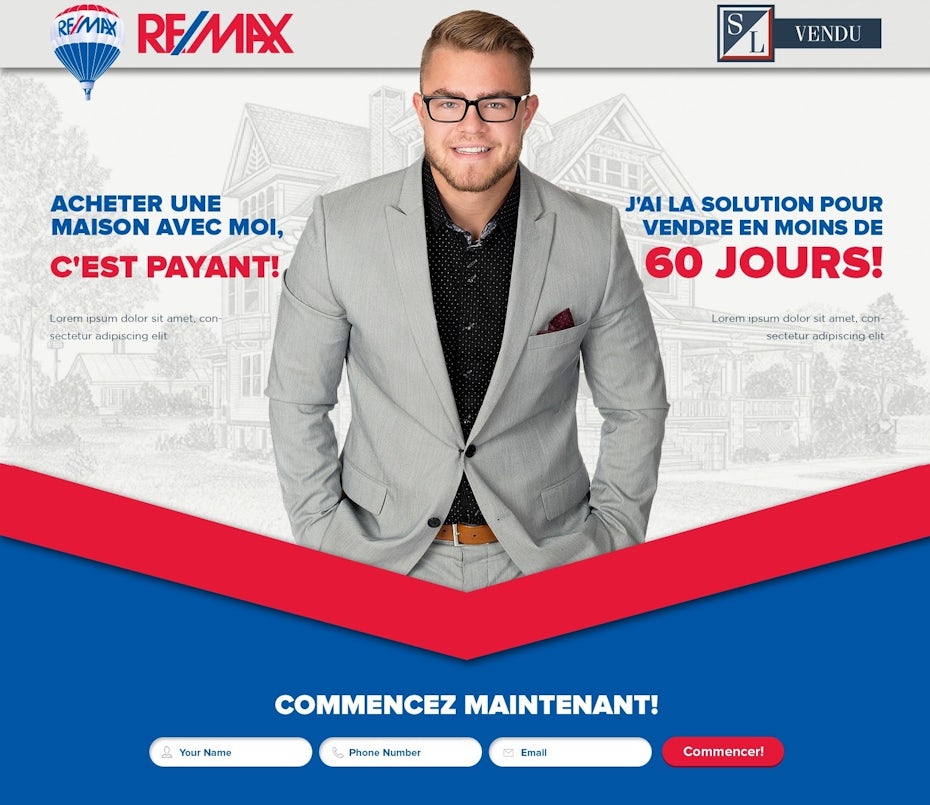
Red, blue and gray website with a man standing in the middle of the homepage
Inviting website design by CreativeDezigner

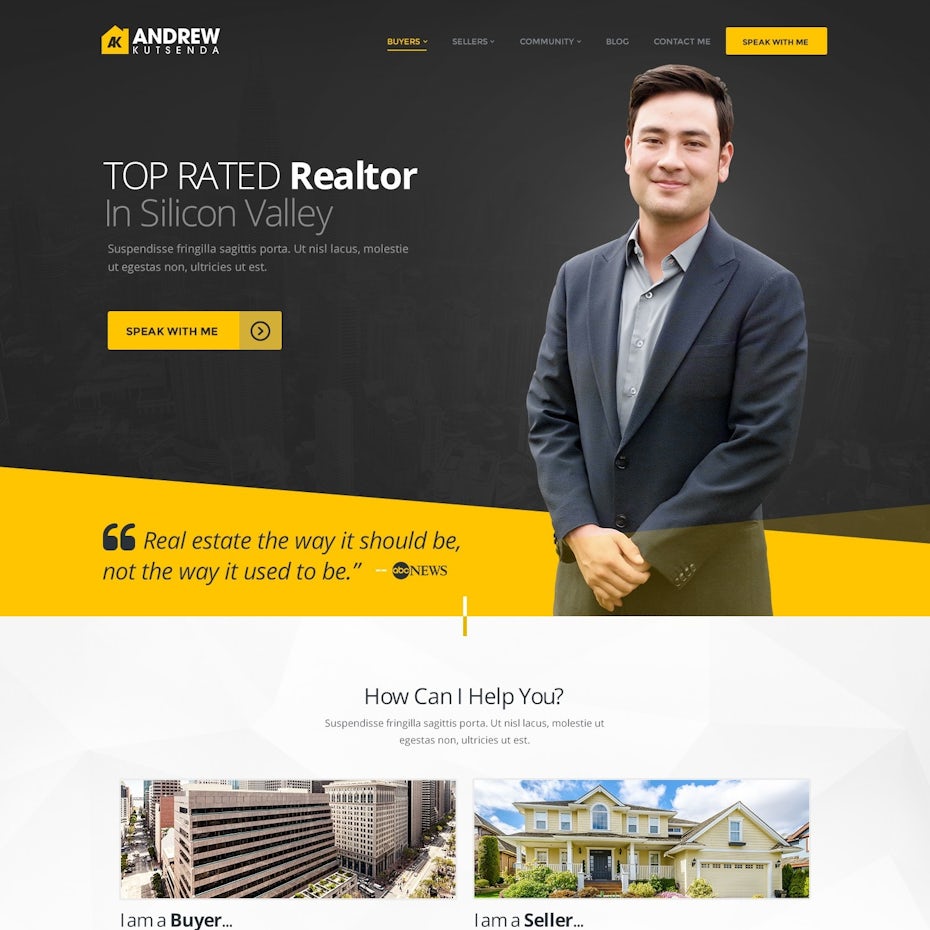
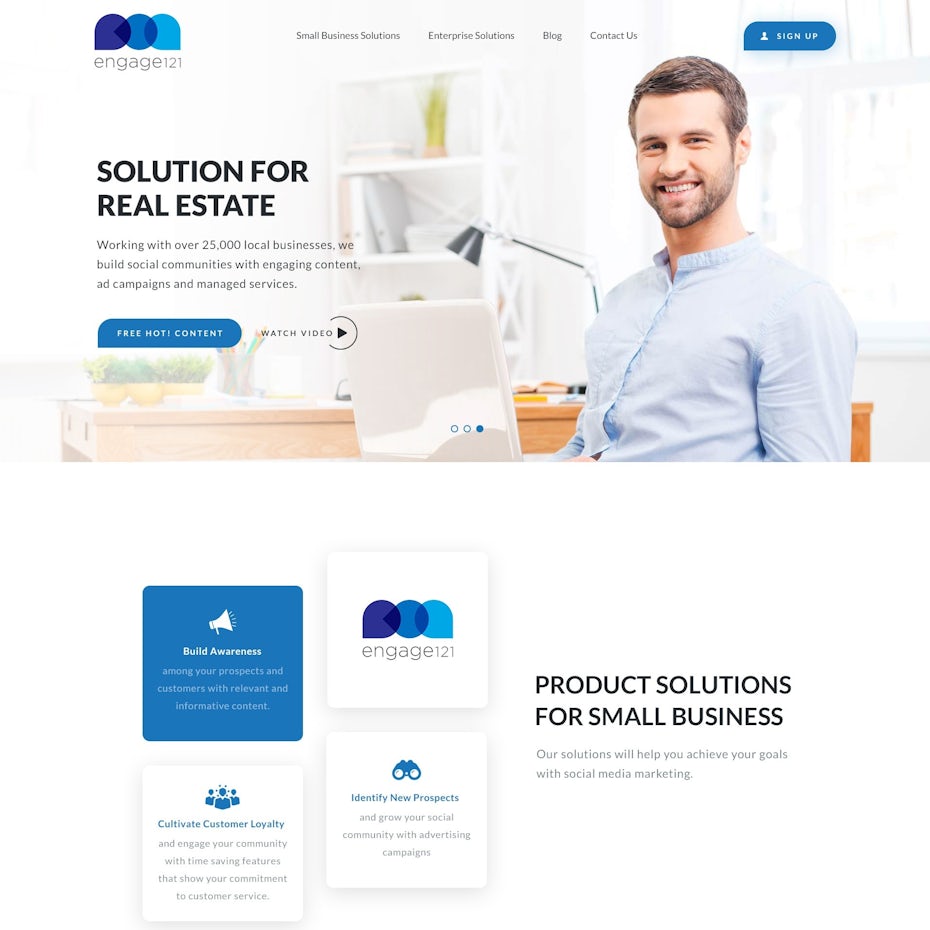
One thing all these website designs have in mind is that they give their services human faces. When you’re greeted by a warm smile, like the realtor in the ReMax web design above, instead of a bunch of buildings or stats, it’s easier to build a relationship with a brand from the moment you log on. This design keeps the friendly feeling throughout the website with icons that make the interaction feel casual, like a thumbs up reminiscent of Facebook’s Like button.

Although any kind of real estate website can benefit from humanizing design, brands that work with clients going through emotionally charged transactions, like downsizing empty nesters and young families buying the homes where their children will grow up, get the most mileage out of this type of website.

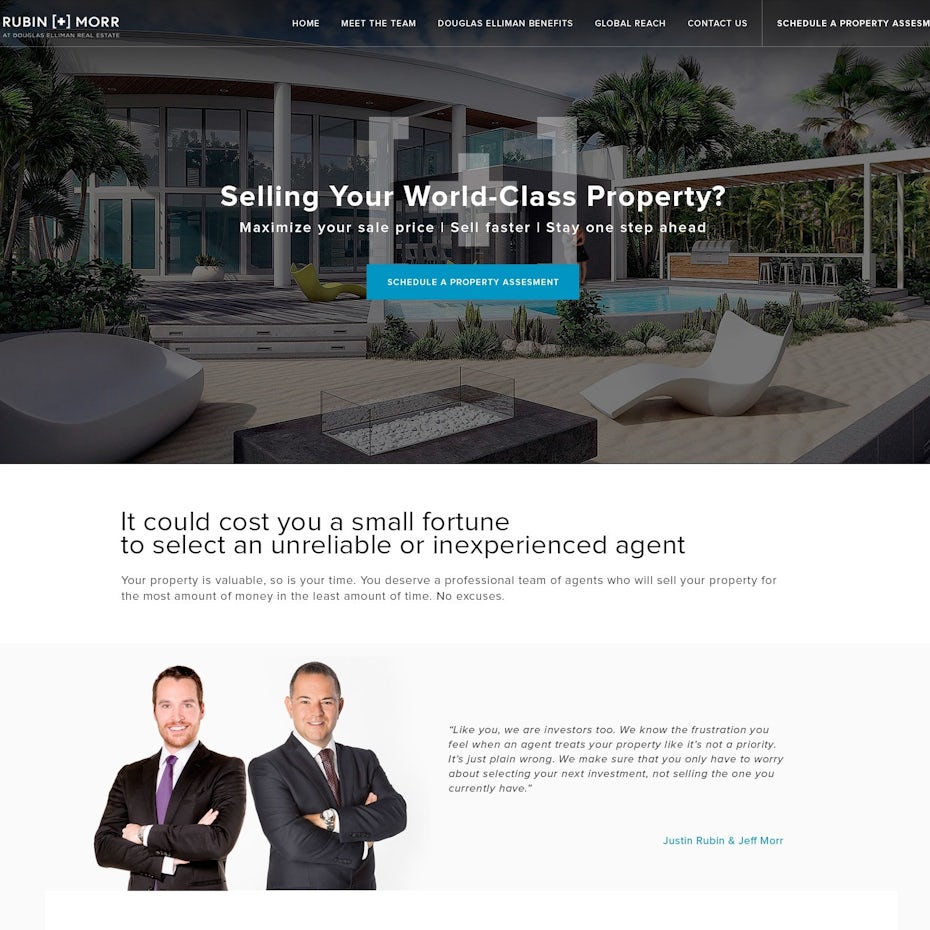
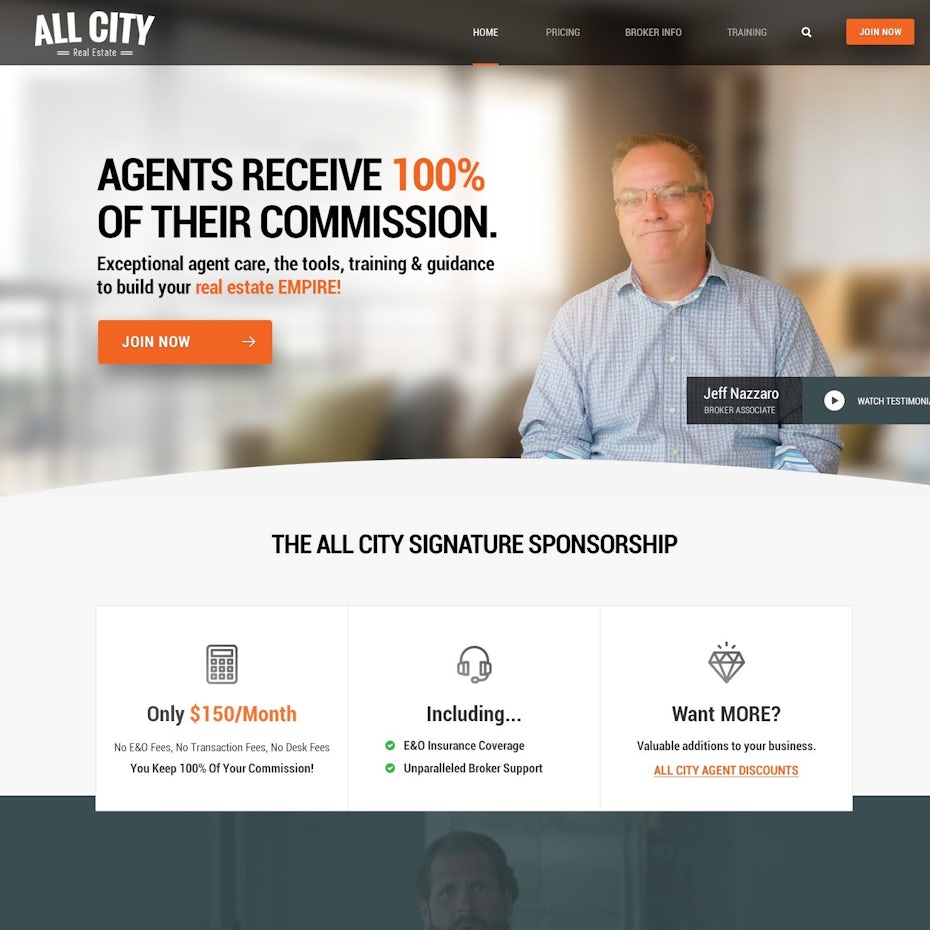
Gray and yellow website with a man standingWhite and blue website design with an image of a smiling man with a laptopGray-tinted website with a large image of a home with a pool followed by an image of two menGray and orange website with an image of a man

Real estate websites that showcase the locale

When you buy a home, you don’t just move into the house—you move into its neighborhood. Real estate companies that work in highly desirable places can capitalize on this by showcasing the locales on their websites. This kind of design tends to feature big, crisp header photos that persuade the potential buyer to move into (or even spend a weekend in) the area.

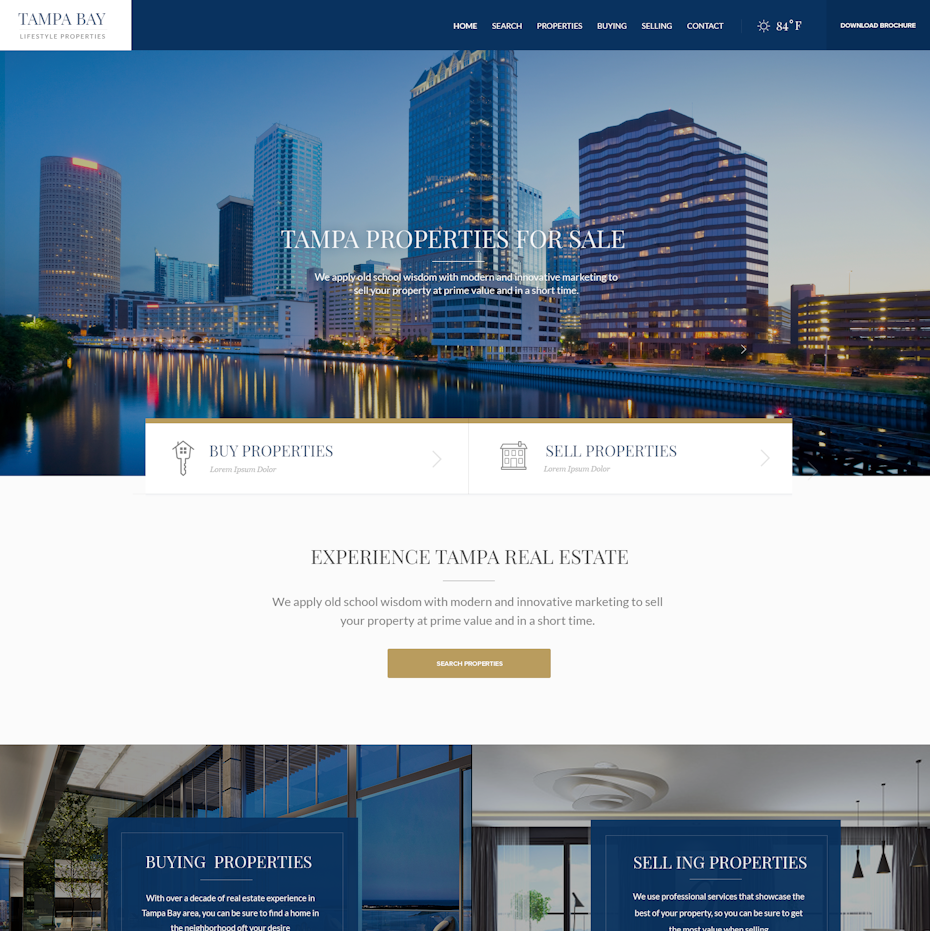
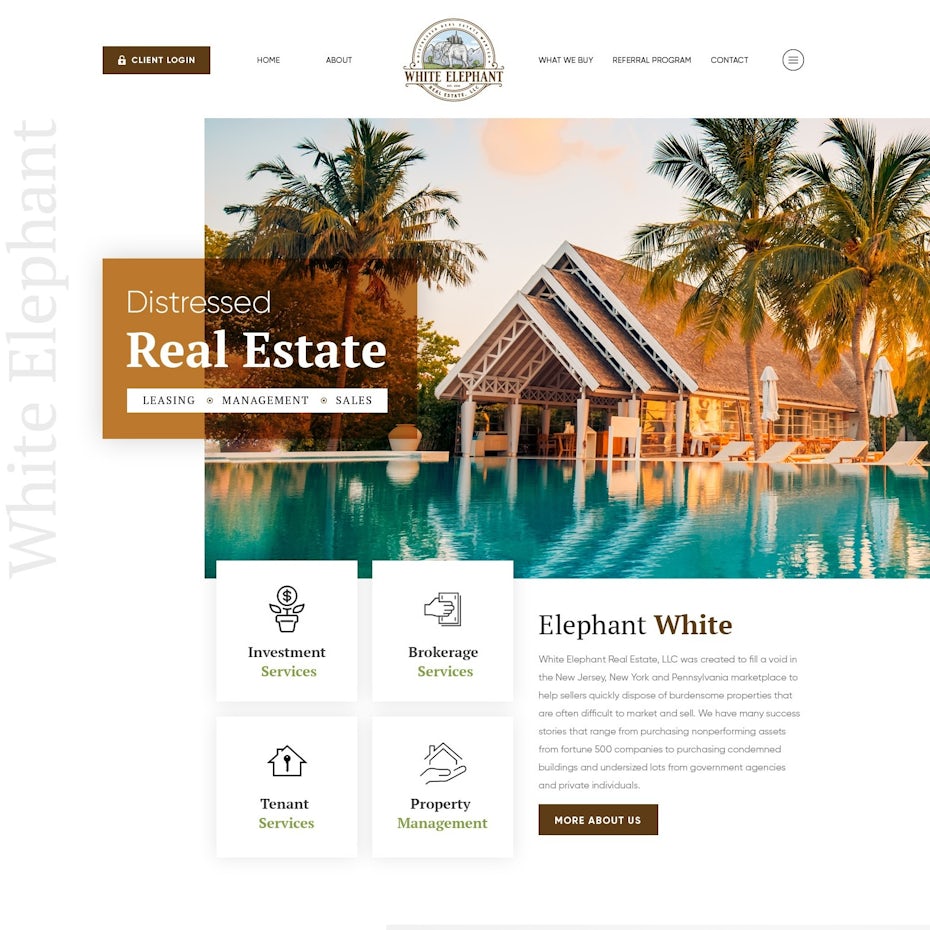
Beach themed real estate website designWebsite design showing a home beside an infinity pool

The design for Tampa Bay Lifestyle Properties keeps the beachy theme consistent with a color palette of dark blue and sandy tan without losing the upscale identity it communicates through serif fonts in its headers. It even has a widget showing the current temperature in Tampa—just a little nudge to anybody way up north, all bundled up for the winter, to imagine themselves in their new Tampa home.

In the website for White Elephant Real Estate, a vast white background communicates that the sky’s the limit for rehabbing the properties they deal with. The brown serif font suggests trustworthiness, and the clear navigation up in the header makes it super easy to get started on selling a distressed property in the Mid-Atlantic—a market the viewer probably didn’t realize could be home to serene, tropical-looking getaways like those in the website’s pictures.

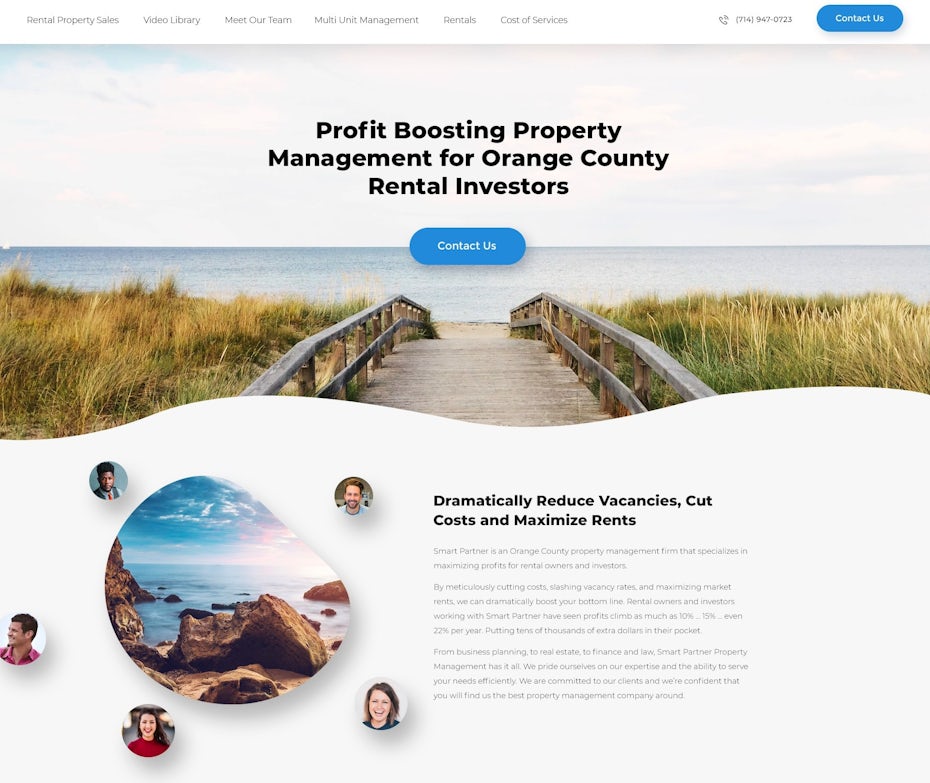
White and blue website design showing a photo of a beach
Breezy, beachy website design by Mike Barnes

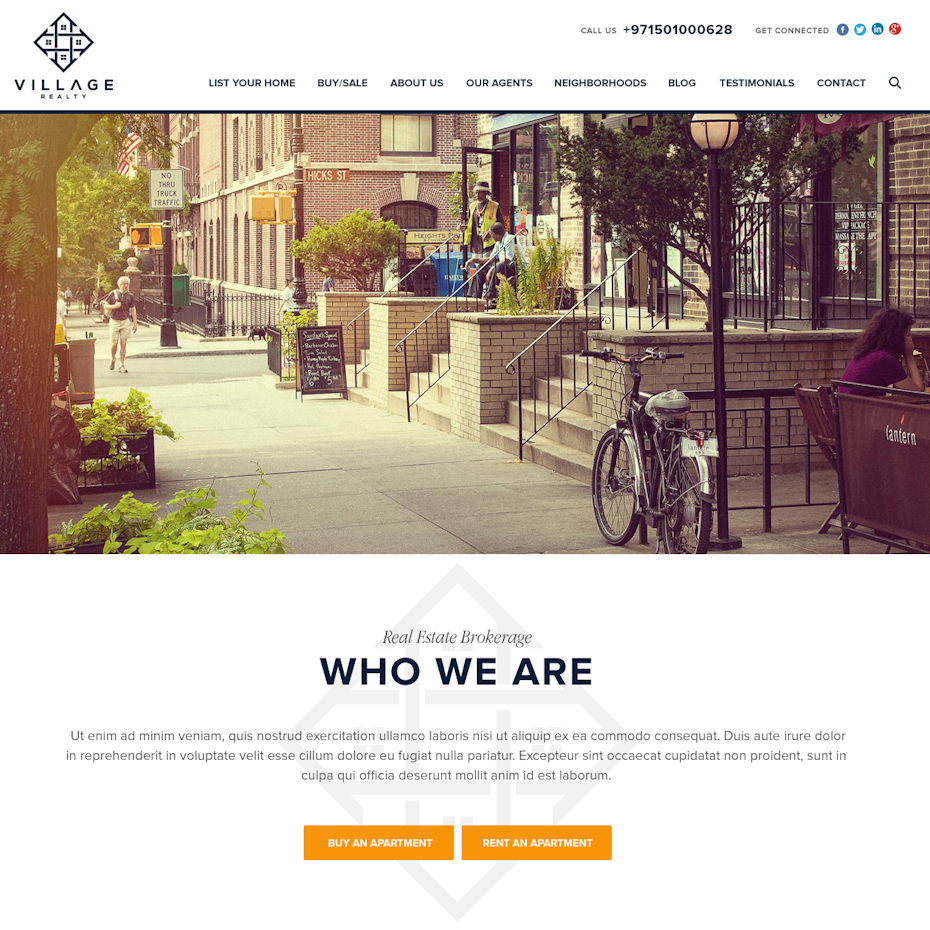
This type of design is ideal for a brand that’s selling experiences, like a vacation rental website or a roommate directory aimed at young professionals moving to a major city. When the lifestyle an area offers is just as important as the actual real estate there, an effective website shows it off.

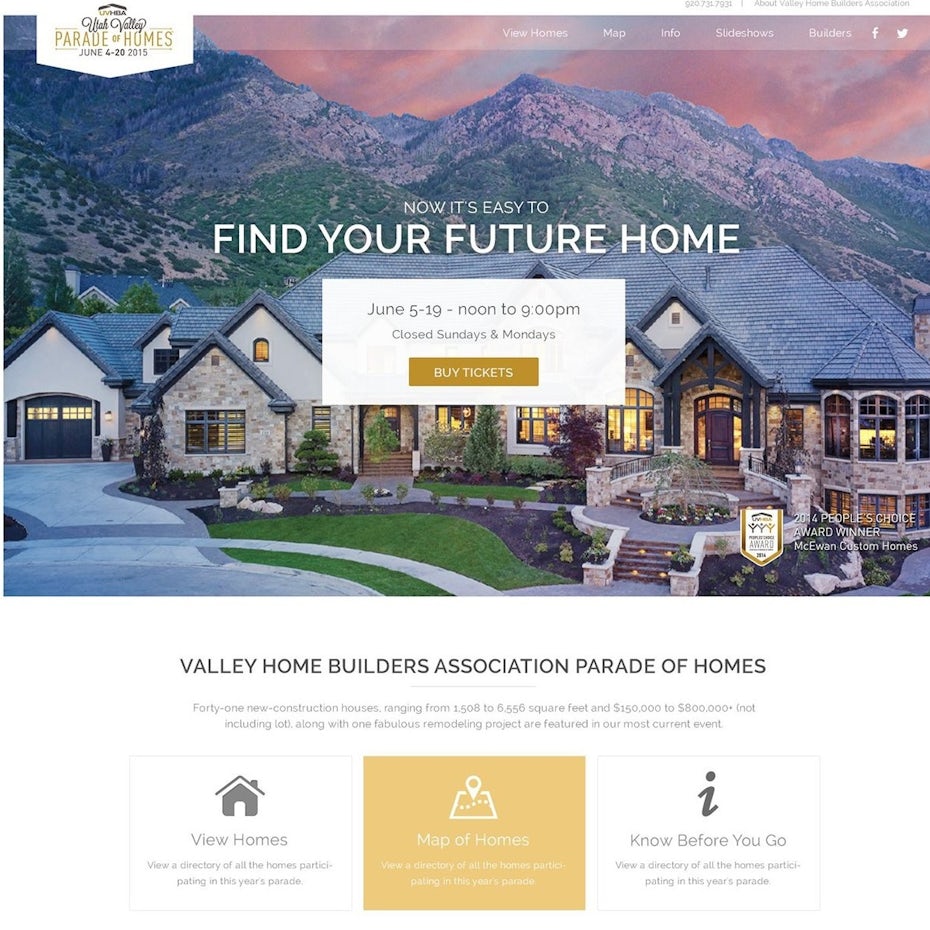
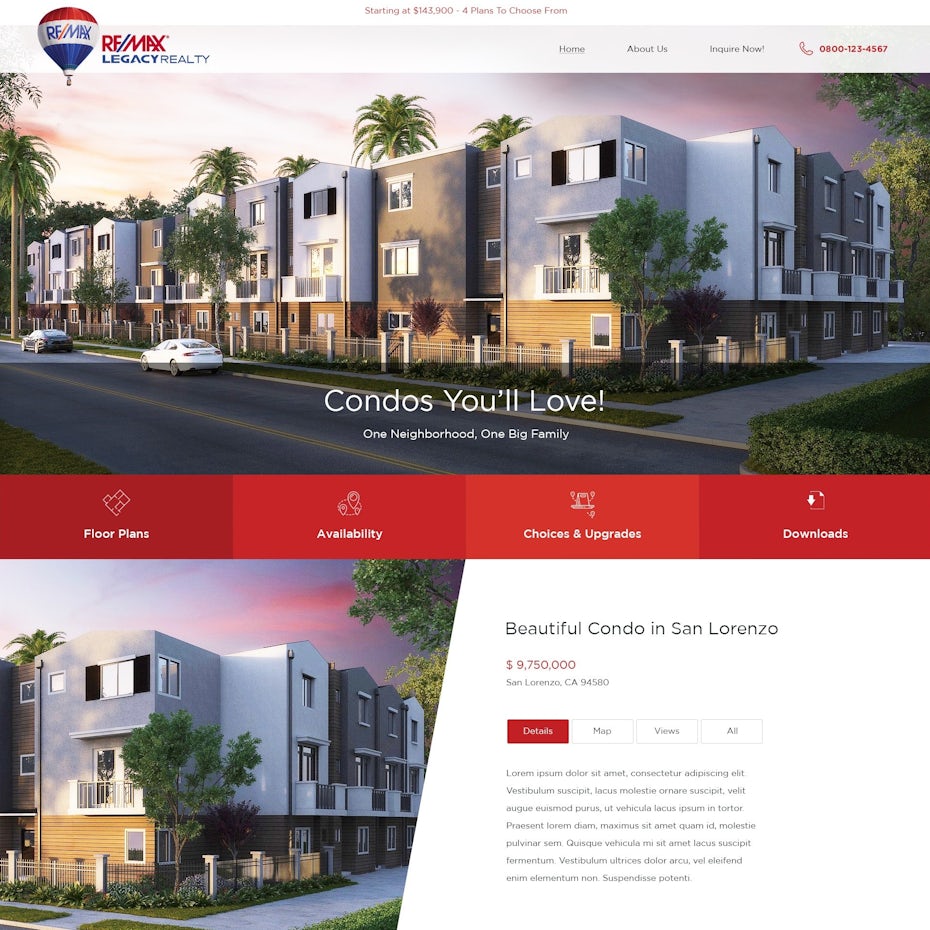
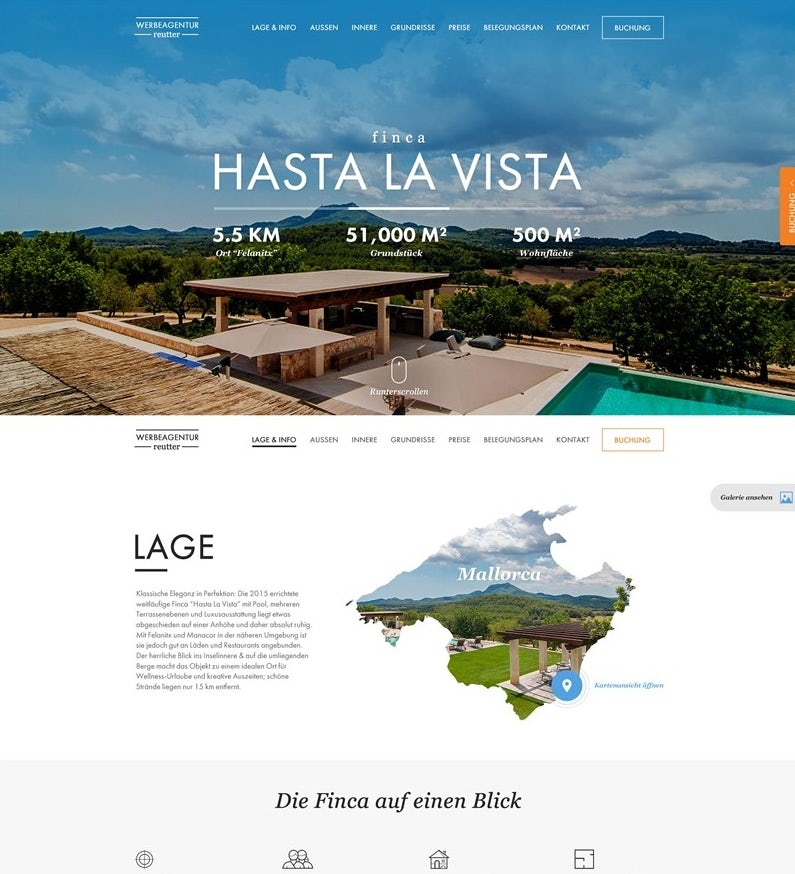
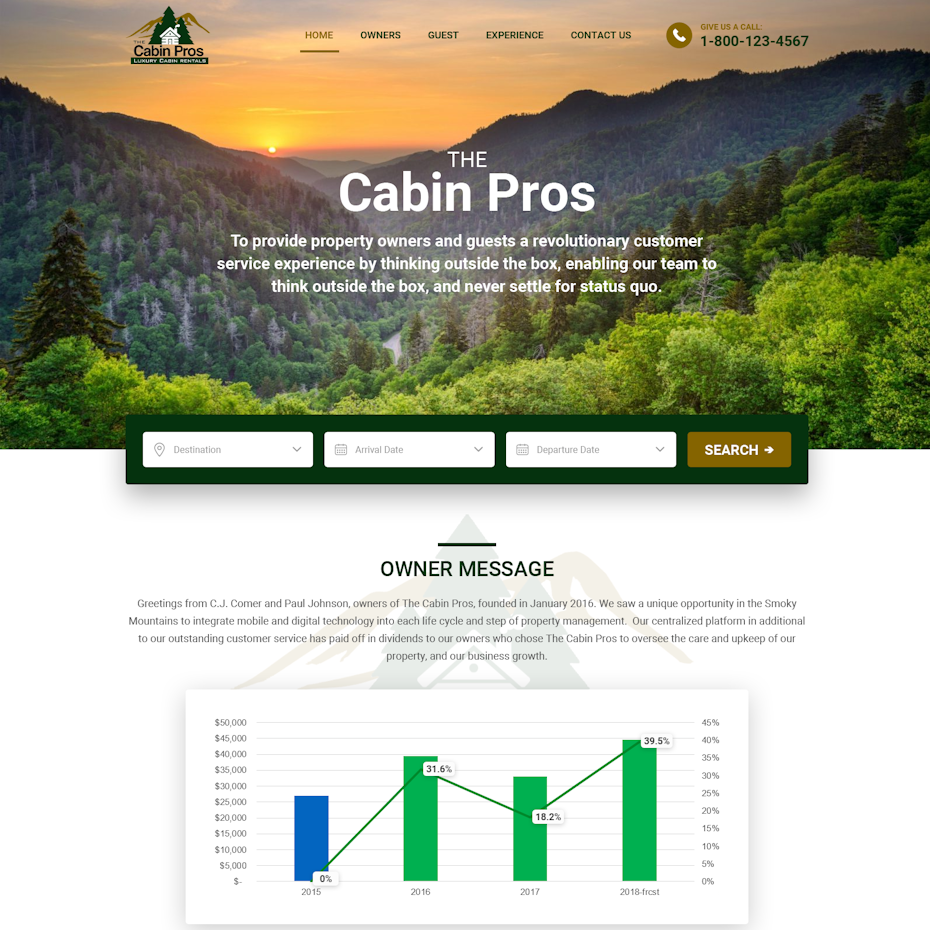
Website displaying a sepia-tinted photo of a city streetWebsite design featuring a mountain homePhoto-heavy website design showing condosWebsite showing tropical localeWood-inspired website design showing treesMinimalistic website showing a city rooftop

Real estate websites that put their properties on the map

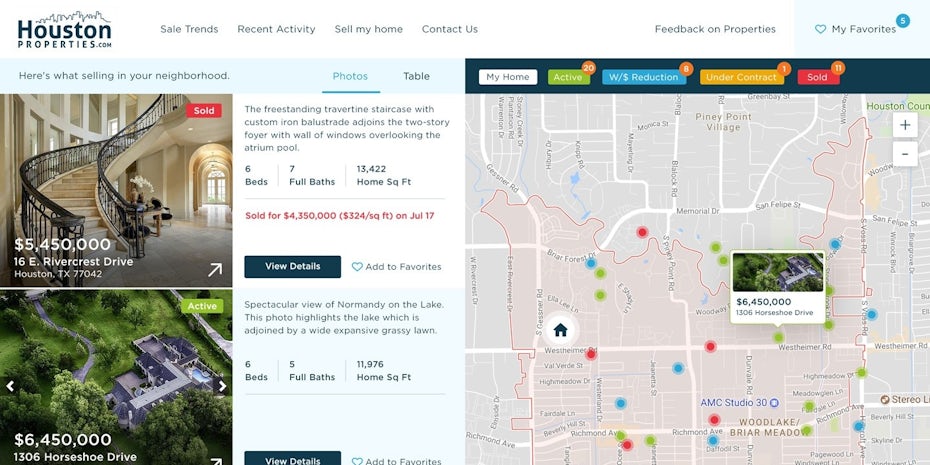
For a lot of real estate clients, location is key—not just the specific city but right down to the block. With this in mind, many real estate websites make maps their focal points, showing visitors precisely where each property is located and what it’s located near.

This kind of website is especially helpful for commercial buyers who don’t just think about rent prices and maintenance costs but about access to thoroughfares and available parking. By seeing exactly where a building (or an empty lot) is on a map, a business owner with specific location needs can decide in an instant whether the property fits their criteria. Helping buyers filter out properties based on logistics isn’t the only way these kinds of websites work—they also make it easy to compare a lot of prices and a lot of property specs quickly.

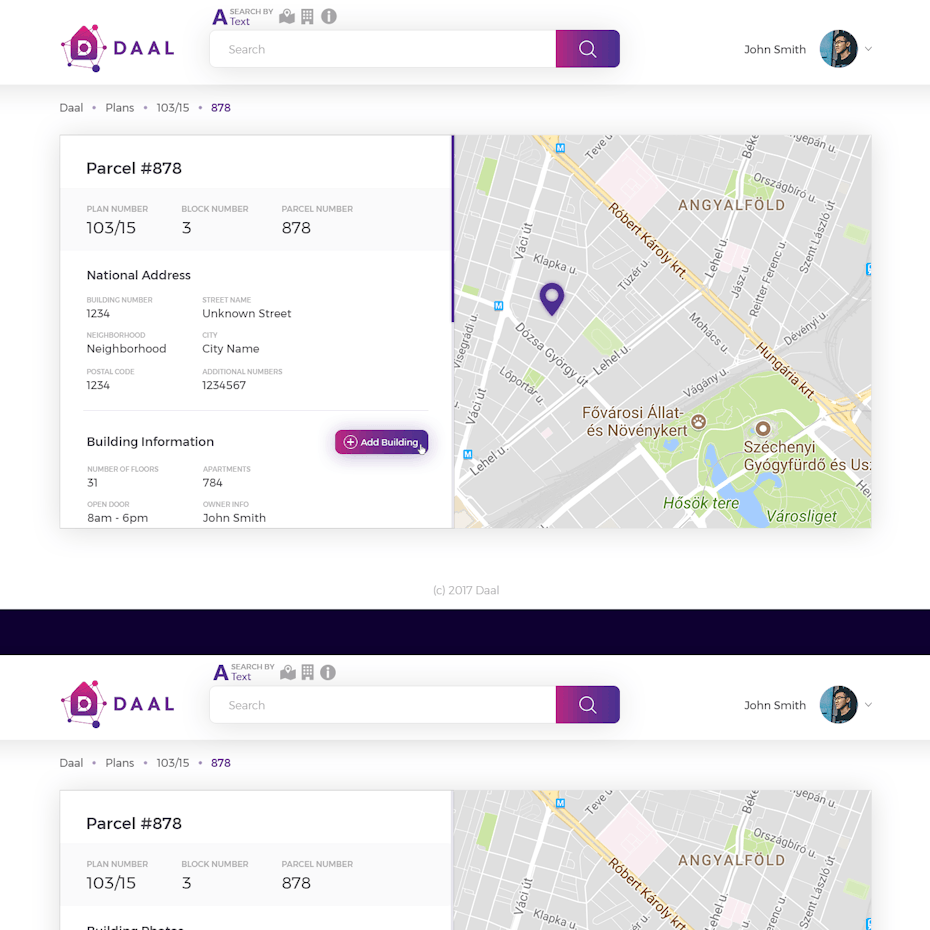
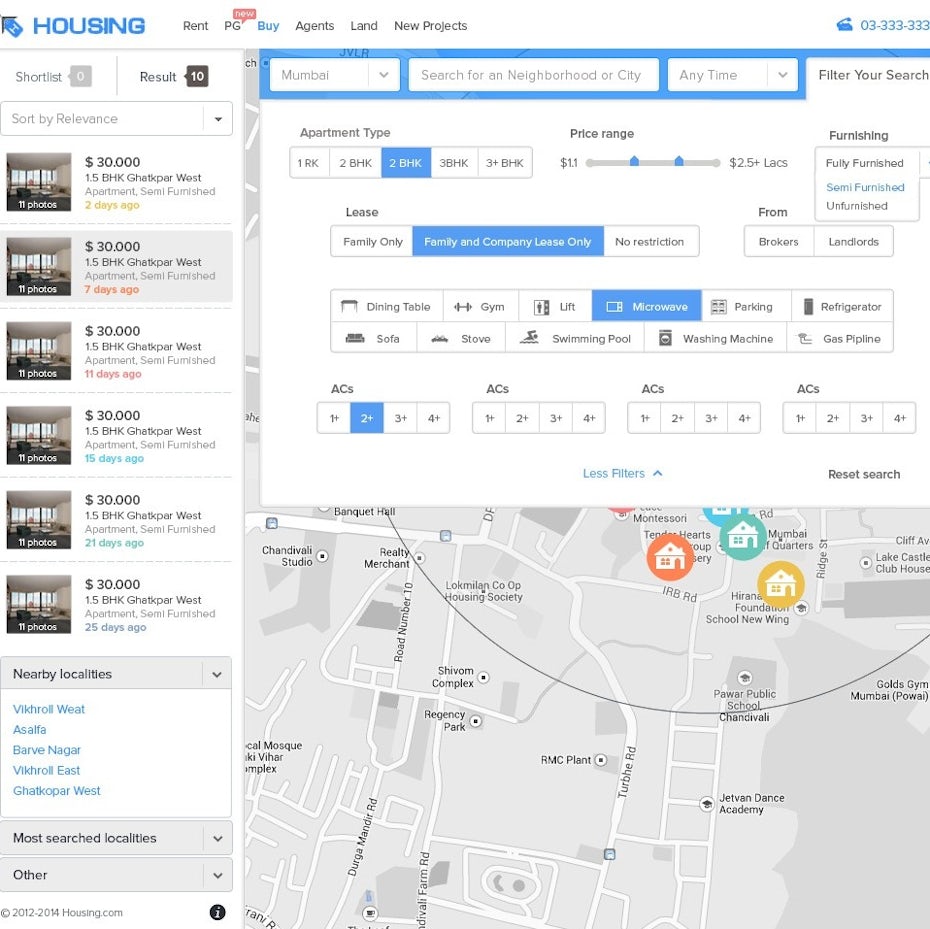
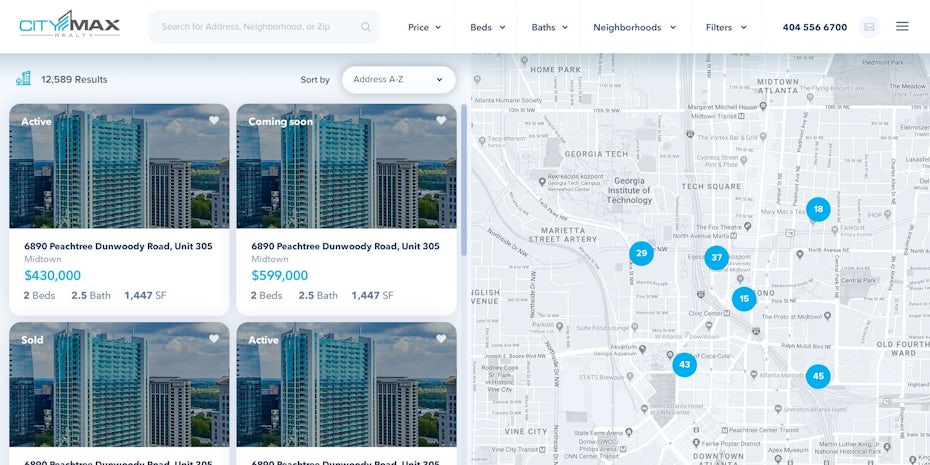
White and purple website with a prominent mapMap-focused website design with individual home listings in the sidebar

The website design for Daal breaks cities down block by block, then parcel by parcel. After zeroing in on a particular building, the viewer can get all of its vital stats like the number of floors it has, the number of apartments in the building and even the hours its main door is unlocked. The design for Housing makes the house hunt super customizable, giving viewers tools to filter their property search results by lease types, apartment amenities, whether they’re furnished, semi-furnished or totally empty and whether they’re listed by their landlords or by real estate brokers.

All kinds of buyers can get a ton of valuable information from this kind of website. For commercial listings, a great website design makes it easy to see information like loading dock accessibility and the amount of employee parking available.  Beyond filtering results and making it easy to compare, websites like these can show residential buyers what’s near the houses they’re considering, like schools or nightlife.

Website design showing a map of HoustonPrimarily blue and gray website with large images of buildings and a map

House your business in a great real estate website

Each of these types of real estate websites work because they spur interest in the target audience. When you’re planning your website design, determine exactly who your target audience is and how your brand appeals to them. This will help you understand which kind of design, or combination of design types, is most effective for your website.

Want a real estate website that raises the roof?
Our designers have you covered.

The post 28 best real estate website designs that make you feel at home appeared first on 99designs.
Tuesday, November 5, 2019

The 4 essentials of minimalist web design

When they say less is more, they’re probably referring to minimalism. You might think minimalist web design is just about reducing a design, but it’s an entire mindset and attitude toward how you approach your creative work.

Think about it like this: If you’re trying to reach a mountain top, you need to be as light as possible. At the top, when it’s just you and your necessary gadgets, you’ll get the most space and the clearest view of the world. Minimalism helps you survive the journey with the fewest resources so you get the best experience.

That’s the core of minimalism.

In the web design world, minimalism is all about creating seamless user experiences without extraneous design elements that add distraction. Minimalism can make your website look smart, intelligent, modern, effortless and capable of achieving much more with less. When distraction goes down, action, engagement and conversion goes way up.
Minimalism doesn’t apply to just one aspect of your website. It means maximizing whatever you have. This article explores all of the components of minimalist web design and how to distinguish between good and bad minimalism. Read on!

The 4 essentials of minimalist web design

A minimal web design takes the essential design elements and builds them around a lot of white (or any single color) space. Using these elements, designers strip away layers and layers of clutter to create balance that is not only pleasing to the eye, but also delivers a message.

1. Negative space

ultra minimalist web design with wavy black and brown background
By Mila Jones Cann

Using negative space correctly is the difference between a perfect and overwhelming design. Sometimes space is used as the background for layout elements, or it may purposefully guide attention to a specific message or call-to-action.

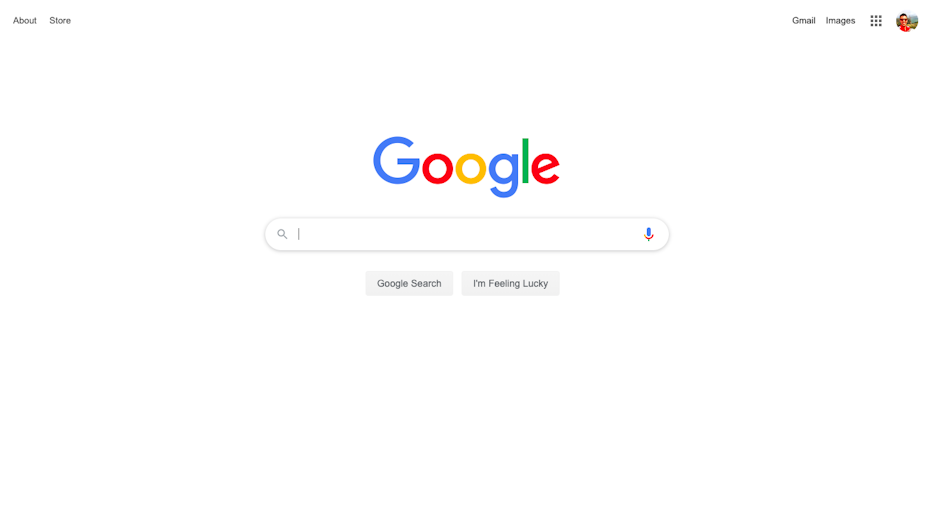
For example, the Google homepage is a classic example of space done right:

google homepage
Via Google

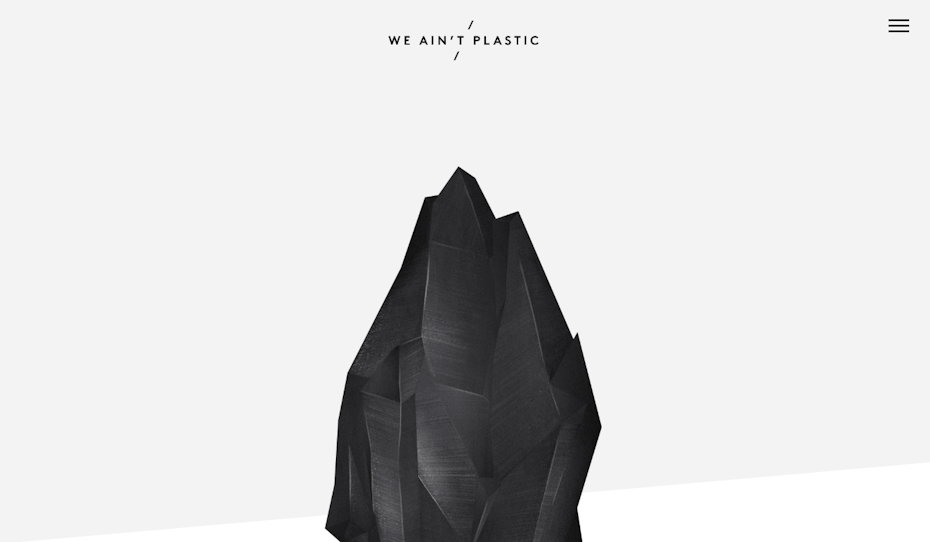
Space also helps to balance the other elements in a design so each one feels like it has its own proper place. For example, the minimalist ‘We Ain’t Plastic’ website uses a lot of space with just a single design element in the middle—simple but striking.

minimal we aint plastic website
Via We Aint Plastic

Beyond just creating a sense of direction and balance, space improves comprehension and readability. For instance, readers find short, separate text blocks more appealing than lengthy ones without space. Space gives users a better experience without tiring their eyes.

2. Visuals

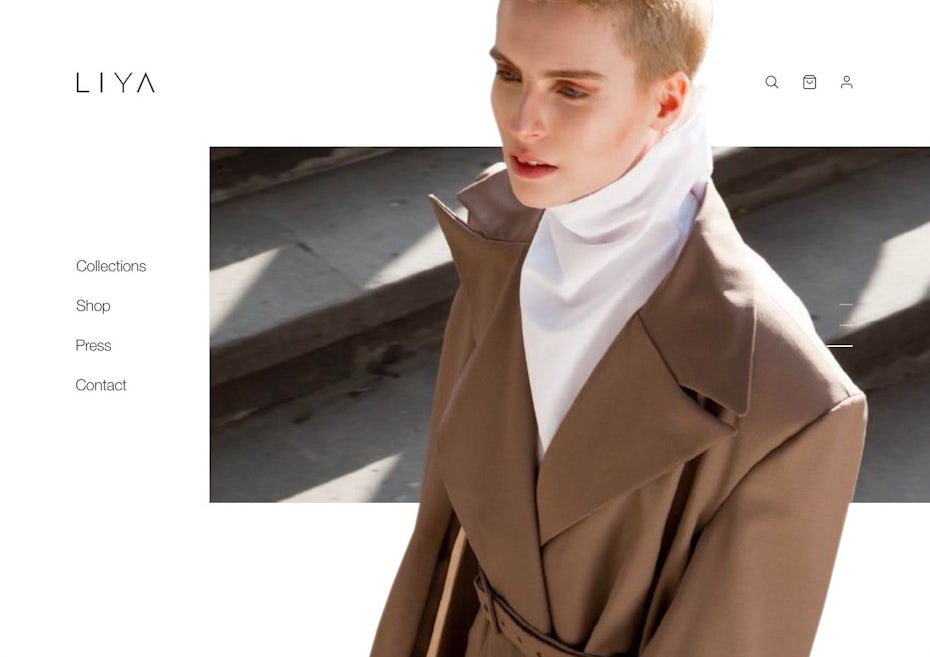
Big, bold and contrasting visuals sets the stage for an effective minimalist web design. Visuals include all of the images, videos, and even typography that build a first impression of your site.

minimal fashion web design with large image
By Muller Alexander

Google reported that users form their opinions about a website within 17 milliseconds. The key findings reveal that the simpler the visuals, the more they appeal to the users. In fact, first impressions created by visuals dominate usability. For minimalist websites, striking, high-quality, original visuals create that pull. 

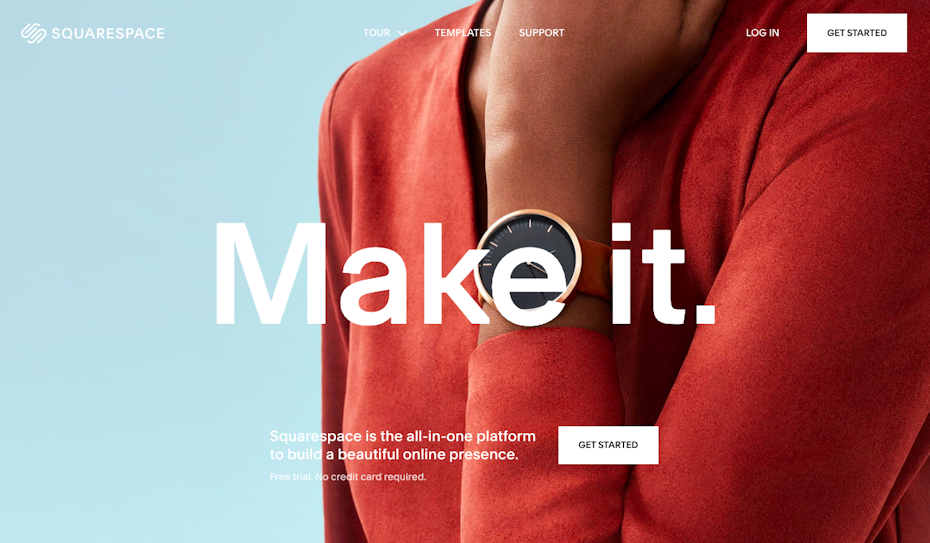
squarespace homepage
Via Squarespace

SquareSpace nails effective visuals. Here, strong visuals are the only significant design element. From text boxes to the navigation bar, everything else contrasts with the visuals to draw the users’ eyes to the neat “white” CTAs.

Unique visuals breathe life to your website design, and they can even be used in the background as white/negative space too. Use them to enhance the site’s appearance, draw focus, build accessibility and increase usability.

3. Typography

In minimalism, bold headline fonts paired with smaller, legible body text makes a huge impact. When users visit a website, they want to learn what it’s all about. Typography adds a layer of life and meaning to your dynamic visuals and white space.

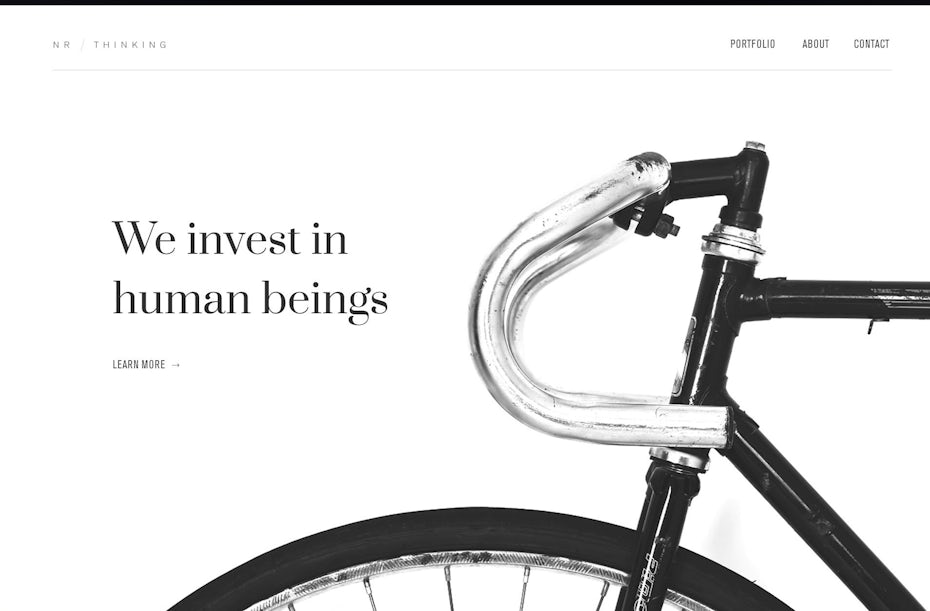
minimalist monochrome web design with large photo of bicycle
By Mike Barnes

Like all design elements, typography has a language all its own: Style, size, spacing and other attributes give every font a specific personality.

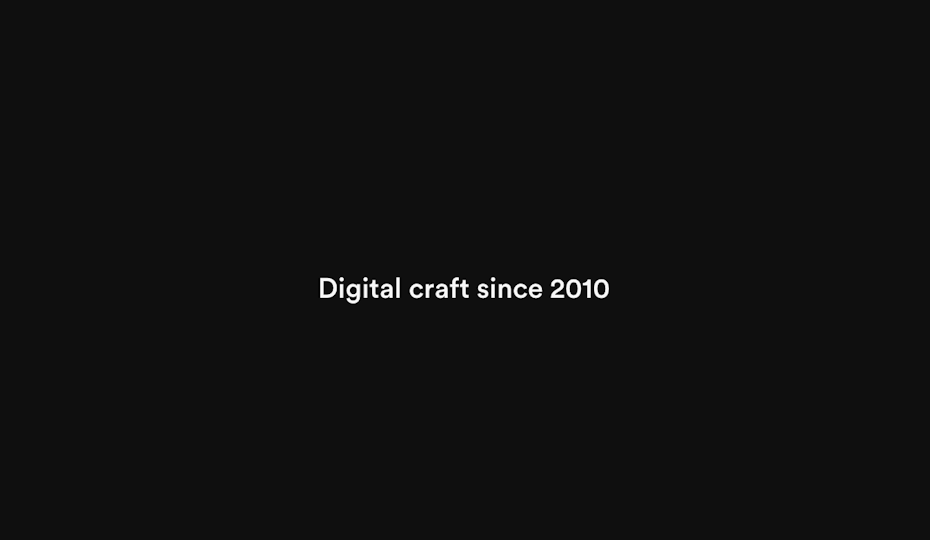
By Association Only homepage start screen
Via By Association Only

This homepage says it all in just a few words. The message and the minimalism work perfectly together. Everything’s on-point here.

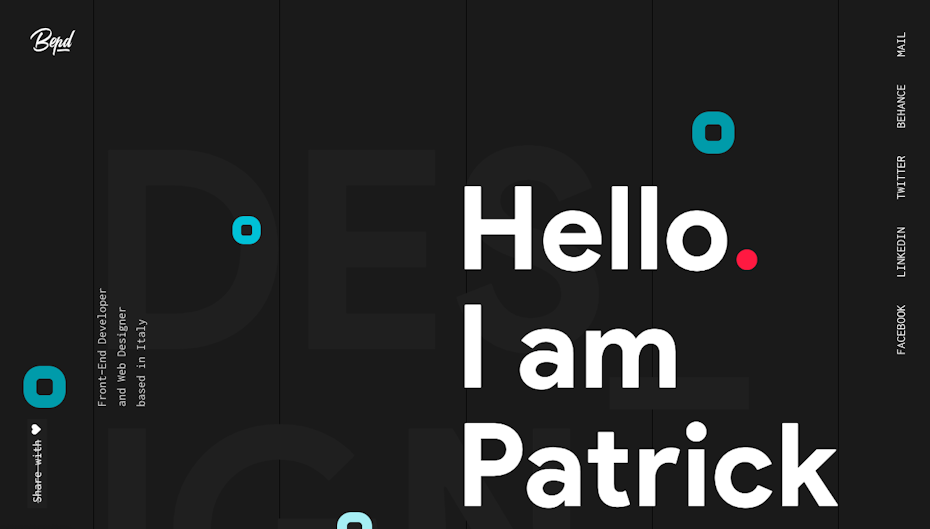
Here’s another example of how bold typography with minimal design elements can make a solid impact. This site has gone big with type and does a great job of visually expressing the designer’s creative approach.

minimalist web design with bold typography
Via Patrick David

Apart from being so attention-grabbing, great typography also makes navigation and comprehension easier. Choosing the right fonts can improve readability by creating a clear hierarchy of your messaging, which helps the user enjoy their experience.

4. Colors

Minimalist web design employs a wide spectrum of colors—from neutrals and pastels to primaries and neons—which connects all the design elements together to create a seamless visual experience. Color also evokes emotion and helps both your design and copy engage with users on a deeper, visceral level.

minimalist white and blue web design
By Intudio

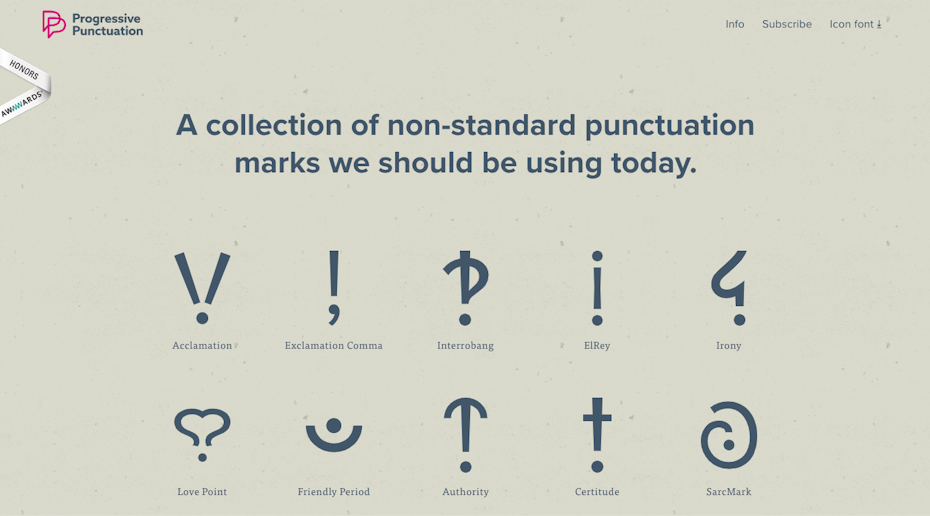
Set against a textured sandy background, Progressive Punctuation creates an ideal minimalistic color combo with deep Prussian blue. The dark text contrasts with the neutral background, which guides the user to the important elements on the site.

minimal web design with large typography
Via Progressive Punctuation

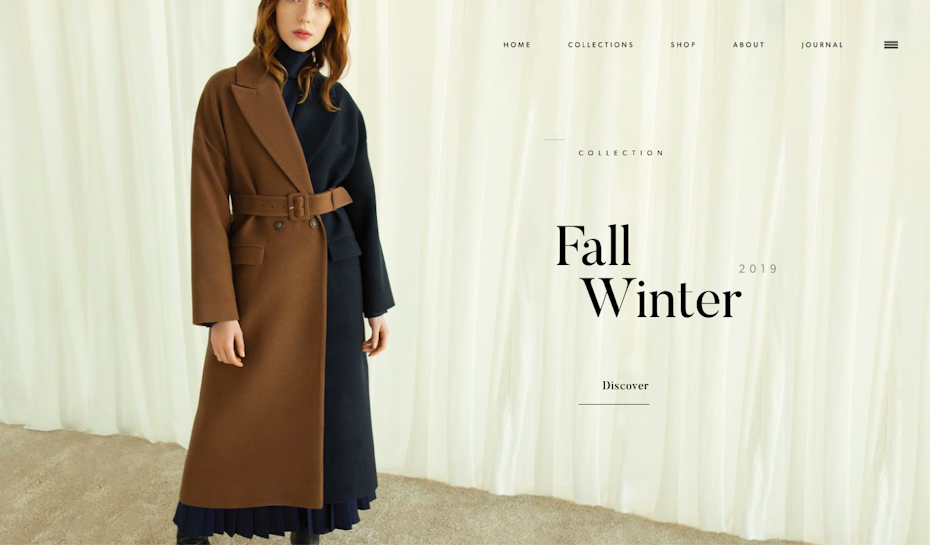
BOUGUESSA makes a modish statement with a neutral color scheme: a model in rich brown and black paired with subtle, cream curtains delivers a sense of fashion and elegance.

minimalistic fashion web design with simple color scheme
Via Bouguessa

In both examples, the color scheme creates a pleasing and inviting user-experience. Subconsciously, users absorb the emotional vibe of the brand and connect personally with the website.

Be a minimalism master!

To find success with your minimalist web design, you’ll need sharp vision, an open mind, and the courage to take up the journey from clutter to no-clutter. But the final result is worth it. Minimalism strips your brand down to its essence so potential customers can meet you and engage with you with nothing in their way.

Need an amazing minimalist web design?
Work with our talented designers to make it happen.
About the author

Ayesha Ambreen is a Creative Content Strategist, a Blogger and Art Director. Best known for her creative visuals and viral content ideas, Ayesha’s work has been featured on Entrepreneur.com, HubSpot, Smashing Magazine, LifeHacker, SlideShare and more. A writer by day and a reader by night, Ayesha loves to explore new realms of creativity and content through her work.

The post The 4 essentials of minimalist web design appeared first on 99designs.