Wednesday, February 19, 2020

Working with graphic designers: 7 tips for better collaboration

Working with graphic designers for the first time can be intimidating. You’re essentially handing over your entire brand identity and reputation to a complete stranger, but risky as it sounds, it’s the smartest thing you can do from a business perspective.

As long as you know how to properly collaborate with your graphic designer, your final product will deliver beyond your wildest expectations. But don’t forget: this is a creative field, so things work a little differently.
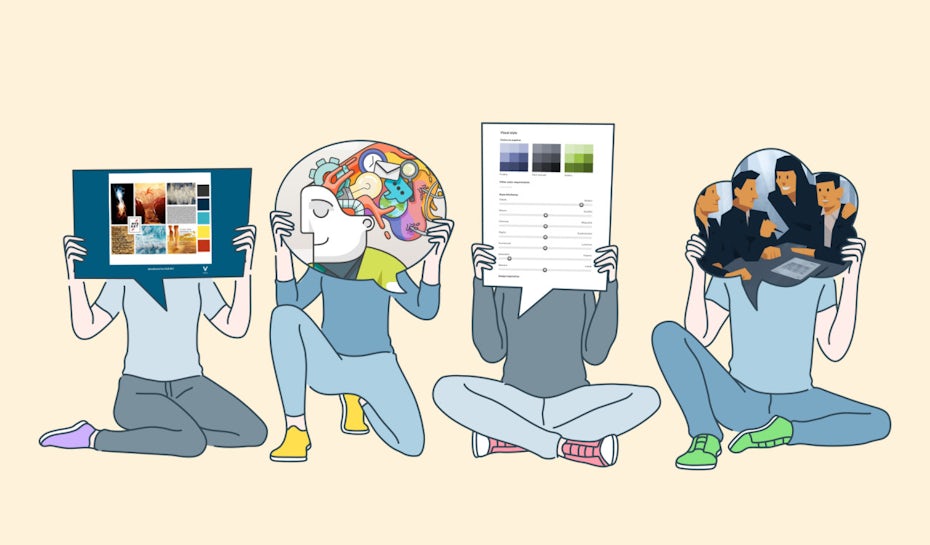
Tips for working with a graphic designer
Illustration by OrangeCrush

Here’s our list of the 7 best tips for working with a graphic designer. Just pay attention to these and we can assure you that you’ll get the best possible product for your time, energy and money. We’ve also asked some of our Top Level designers to weigh in with their opinions so you can hear what works best—straight from experienced designers themselves!

1. Show, don’t tell.

Practically every client wants a design that “pops.” But what does that mean? You might be thinking, “I’ll know it when I see it,” and your designer is probably in the same boat, so why not show instead of tell?
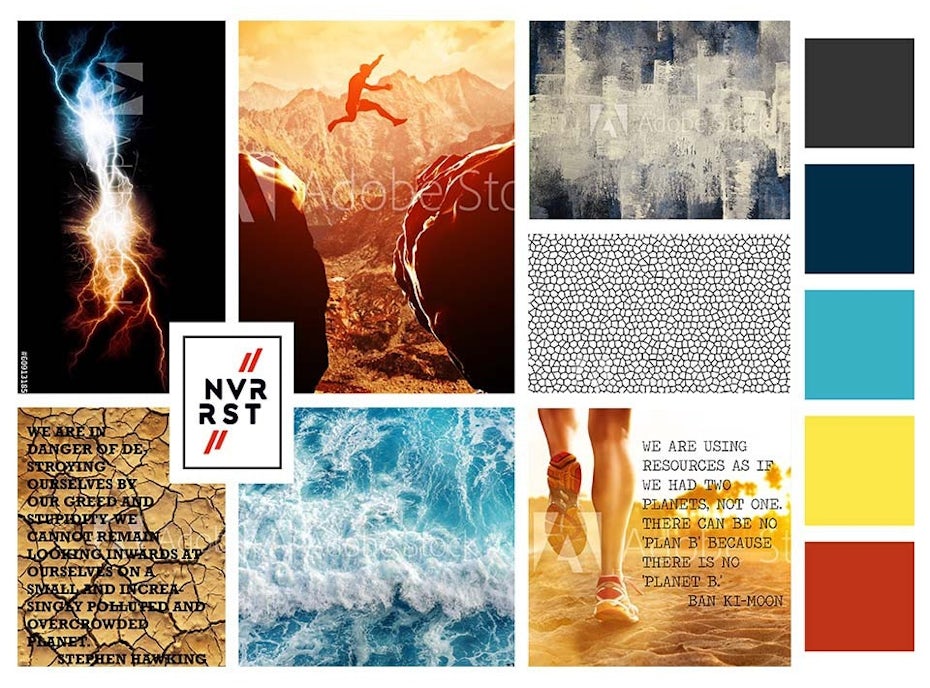
An example mood board
Mood board for a sportswear brand. Designed by valelle.

Rather than using words, show your graphic designer what you want with visual examples. Collect samples of your desired style from other logos, websites, ads, signs, t-shirts, business cards and more. Sure, a picture is worth a thousand words, but visuals also give your designer a chance to catch all of the artistic nuances and techniques that you like so they can incorporate them into your project.

You don’t have to stop at closely related examples either. Branch out and get creative. Show a designer your favorite Van Gogh painting as inspiration for your logo. Or an 18th-century newspaper clipping to demonstrate what font you want on your website. If the designer can see what you want, it’s often more useful than a verbal explanation.

If you have time, consider building a mood board filled with images, colors, icons and typography to portray what you’re looking for. Mood boards are a great way to start solidifying a visual style.

2. Figure out your needs first

Example 99designs creative brief
An example of a 99designs creative brief.

There are two types of clients: those who know what they want and those don’t. Guess which one ends up satisfied more often.

The better you understand what you want, the better your designer can give it to you. That includes both the creative end (visual style, color scheme, subject matter) as well as the business end (your target market, your destination, your main takeaway). Naturally you’ll want to leave a lot of the creative decisions up to the designer (that’s why you’re hiring them!), but there are some business and branding choices they just can’t make for you.

Also, make sure you nail down the scope of the project early. If you want an adaptable logo or a series of projects instead of just one, figure that out sooner rather than later. You can communicate a lot of these preliminary details with a well-constructed creative brief, which is the basic outline of a project.

Feel free to use our creative brief template to start building your own.

Real world tip from designer Mky:

Gather your thoughts and make a list of all the things that you need.
- Mky

“Before contacting the designer about your new project, gather your thoughts and make a list of all the things that you need. This will help the designer in defining a fair schedule and a price. Not doing so and just piling up new tasks as you go will create chaos (remember: you are not the only person your designer is working with).”

3. Start by agreeing on details

While you and your designer search for common ground in the creative aspects, don’t neglect the concrete details. Deadlines, schedules, revisions, deliverables, payment… You can avoid so many problems by addressing these at the start rather than the end of your project.

Set reasonable timeframes for projects.
- ’Pinch

Graphic designer Pinch Studio says: “It’s important to set reasonable timeframes for projects, since short deadlines can be a recipe for disaster.”
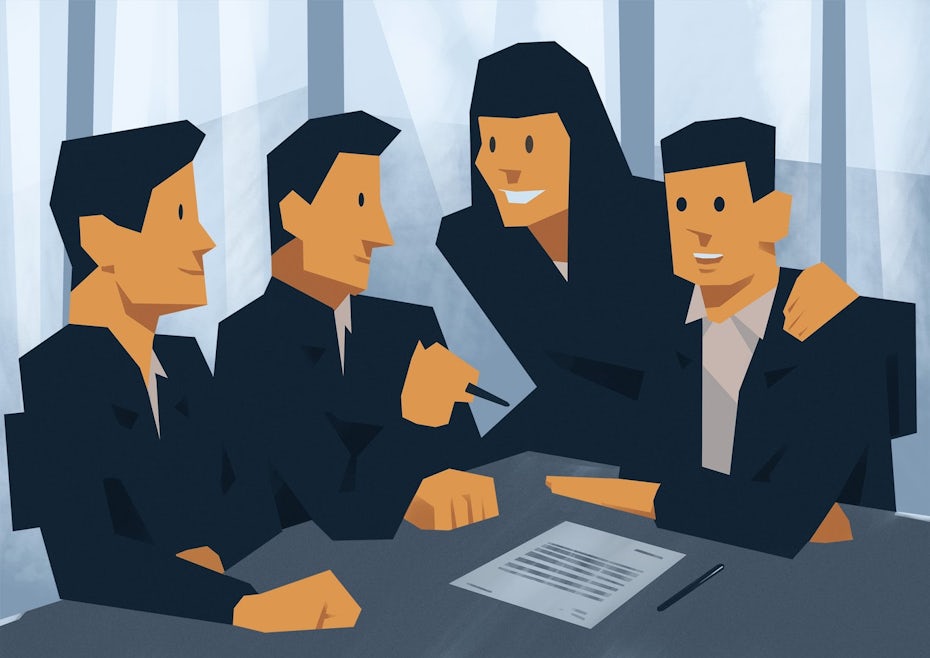
Illustration of business people around a table
Illustrated by Stefan Alfonso.

Neither party really enjoys these kinds of nitty-gritty negotiations, but they’re worth bringing up. Getting definitive answers enables a more efficient design process, one where you don’t get caught up halfway through arguing about money.

That holds true for the minor details as well. Things like the final file format might not seem important, but if overlooked they could lead to annoying or even disastrous consequences.

Real world tip from designer Mky:

Show up with feedback or resources at the agreed upon time.
- Mky

“Remember that deadline you and your designer agreed on? Well, that’s not just for the designer, but for you as well! If you expect your designer to deliver files on time, please show up with feedback or resources at the agreed upon time as well, instead of vanishing for weeks. Sure, life happens, but send them an email and a heads up if there’s a change of plans!”

4. Phrase feedback as problems, not solutions

By LINART

Even the best designers don’t always get it right the first time. Most projects involve at least one round of feedback, but if you don’t articulate your criticism well, you’re looking at two, three, four or more rounds before you’re happy with the results.

One expert tip to move this process along quickly is to phrase your feedback as problems, not solutions. In other words, clearly describe what’s bothering you, but don’t direct how to fix it.

For example, let’s say you’re evaluating a new redesign of your website. Good feedback might be something like, “We need a call-to-action or next step on the home page.” Not so good feedback might be “Put a big, red button right there!”

Your designer is an expert in design. By telling them what to do, not only do you ignore their expertise, but you also cut off the opportunity of them thinking up a solution that’s even better than yours. When it comes time for feedback, point out what you need, but don’t make the revisions for them.

Real world tip from designer svart ink:

Their energy and enthusiasm gives me energy too.
- svart ink

“I wish all of my clients would know that their energy and enthusiasm gives me energy too. A lazy and uninterested client who expects a designer to do wonders with just five words of feedback probably doesn’t know what they want. Clients like that often disappear and give up on projects if they don’t like the direction of the first two concepts. I wish they would know that the more they talk and the more they are engaged, their designer will be too.”

5. Welcome designers into your team

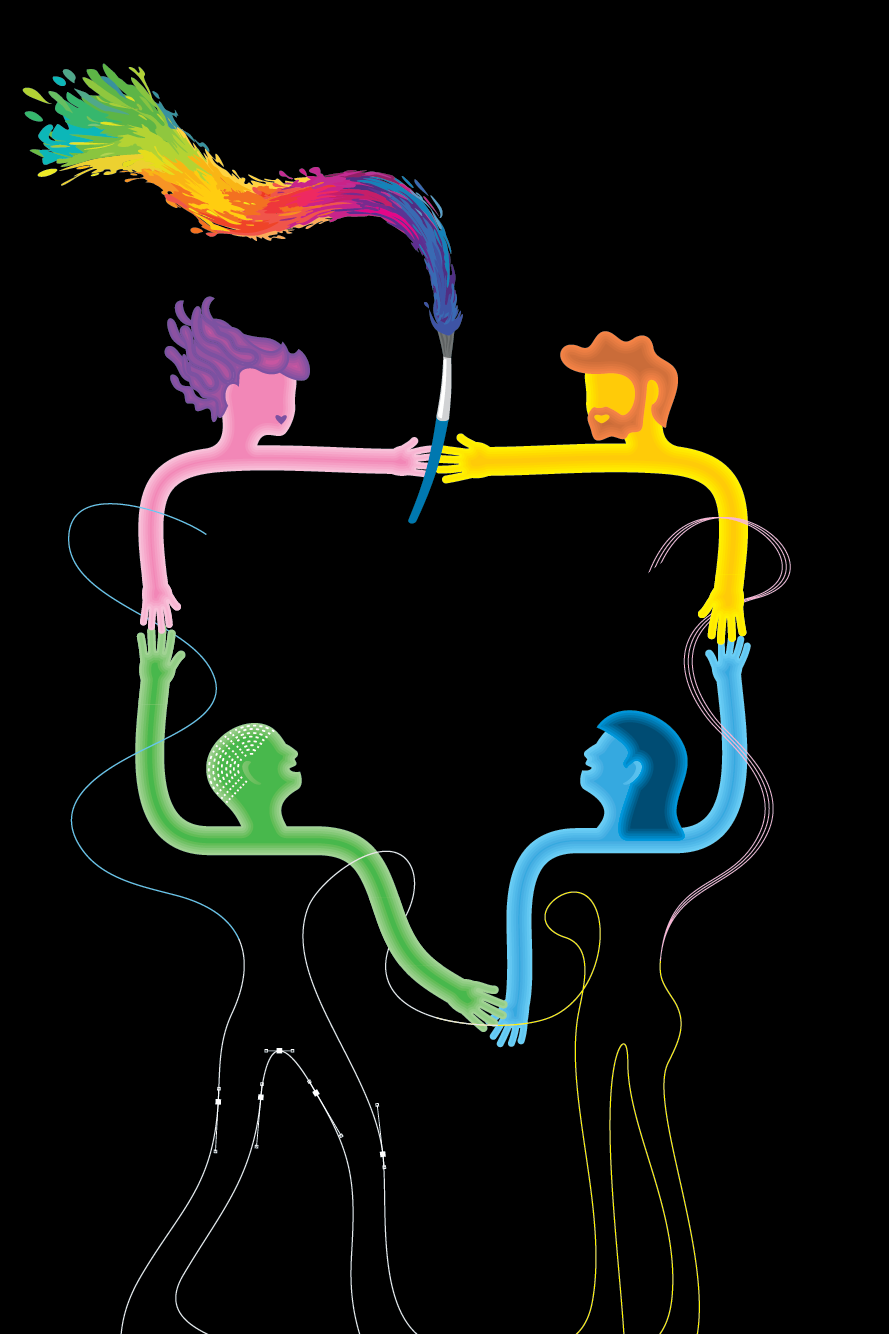
Illustration about collaboration and teamwork
Illustrated by Cross the Lime

Want to be on friendlier terms with your freelance graphic designer? Try treating them more like a friend or colleague. Freelancers are often viewed as utilities or removeable assets, but by welcoming them into your group, you can make them part of the team.

That starts with how you communicate. Speak to them with the same respect as your coworkers. If you need to cancel a meeting, give them ample notice.

In addition, give them some of the same liberties as regular employees. This means access to company documents; things like market breakdowns, sales analytics, website data and marketing personas can be incredibly useful for graphic designers to hone in on your business goals.

Likewise, share your team’s contact information so they can get in touch with the right people. If you’re the single liaison between the designer and the rest of the company, your workflow is bound to get clogged.

6. Overexplain

Usually, overexplaining is a bad thing, but when it comes to abstract concepts, every little bit helps. In addition to showing them visual examples, give them as much background as possible.
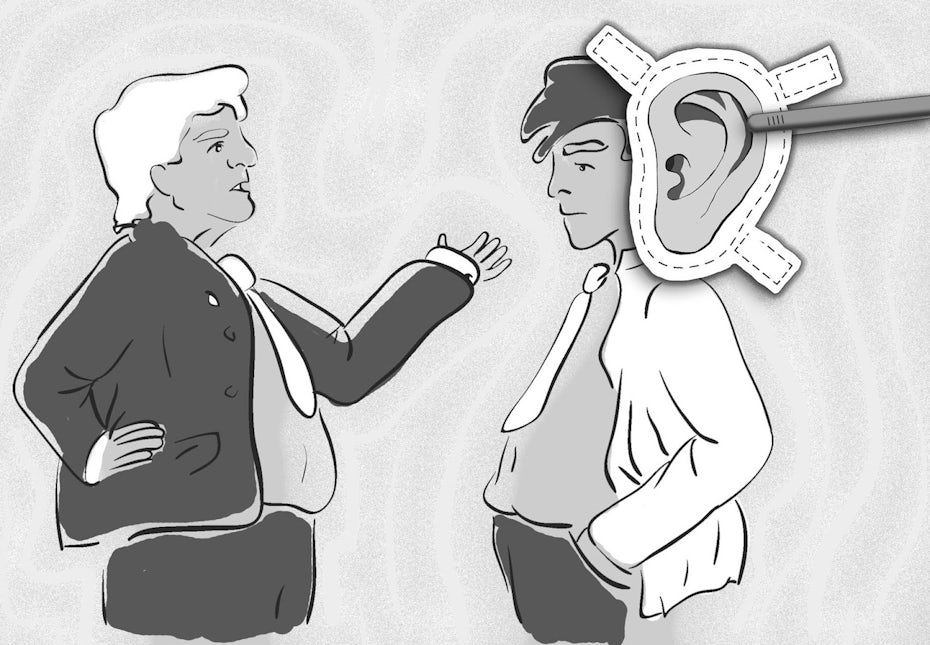
Illustration for design contest about listening
Illustrated by EvaVanGeenen

Avoid using vague terms and err on the side of explaining too much than too little. In addition to project parameters and creative styles, also share with your designer your motives and business goals. What is the intended outcome of this particular project? How does it fit into your business as a whole? Professional designers understand this area better than you think, and knowing these details can help them think up even more effective design solutions.

Real world tip from designer Mky:

Too much information is always better than not enough information.
- Mky

“Too much information is always better than not enough information. Most likely the designer you’re working with will send you a ton of questions about your business and the design you’re looking for, so they can better understand what you need and create something as close to it as possible. You may not always know what you need, but be open to answering all those silly questions. If you don’t care enough to dissect the topic, why would you expect your designer to care?”

7. Keep an open mind

When you hire a graphic designer, you’re not just paying for their artistic skill, you’re also paying for their knowledge and expertise. When they say a new idea is better than an old idea, keep an open mind.

Illustration about an open mind
Illustrated by Von Milano

It’s common for clients to have a fixed vision of what they want in their head, and they hire designers simply to bring that idea to life. But graphic design is a robust and intricate discipline, and chances are the designer knows something about your vision that you don’t. The idea in your head may not be as feasible as you think, or even more likely, your designer’s idea might actually check off more boxes than your original.

Trust your designer’s ability. Of course your insight is valuable, but it’s better to blend your ideas with those of an expert than to stubbornly cling to a second-rate concept. What your designer brings you may not be how you pictured it. But that might be a good thing!

Real world tip from designer Pinch Studio:

“The more the client knows, the better the flow is. There is no magic that can make the process easier other than patience from both sides and some guidance from us designers to overcome the barriers.”

A little trust goes a long way

Trust. It’s necessary, but difficult to do with someone you’ve never worked with before.  But once you know how to better work with graphic designers, you’ll be ready for a creative collaboration you can trust to deliver results that bring your ideas to life.

Work with a talented design pro!
Our designers can create the perfect new look for your brand.

The post Working with graphic designers: 7 tips for better collaboration appeared first on 99designs.

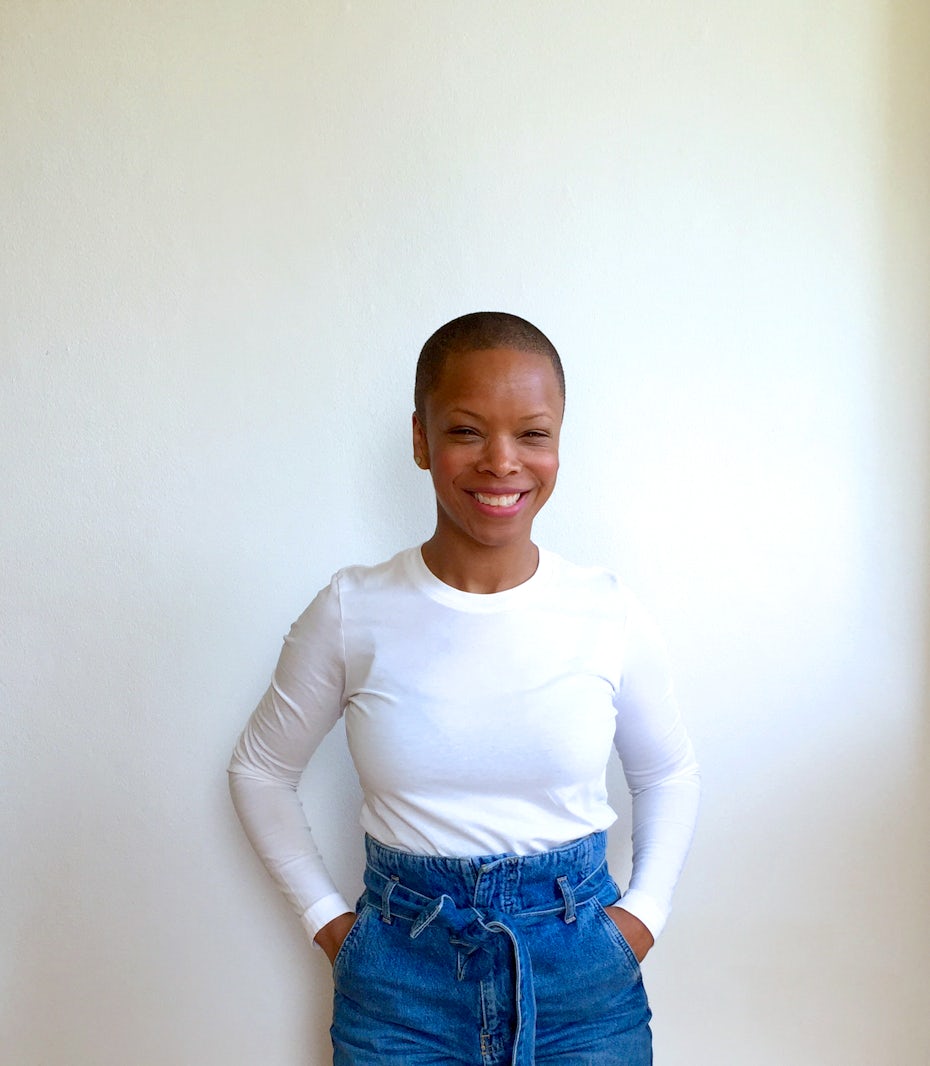
Monday, February 17, 2020

Meet the 2020 99awards jury!

Great design doesn’t just happen, and stunning design deserves to be celebrated. Each year the 99awards shine a spotlight on the incredible creativity that comes from the platform and gives major props to our gifted global community. 

Last year we brought in our first ever jury of design professionals to weigh in on your work. And we’re doing it again this year, introducing you to some fresh talent while we’re at it.

Our 2020 panel is an inspiring bunch from all industries and walks of life (psst, Squarespace and Packlane)! We think you’ll love them as much as we do. Read on to find out how they fell in love with design, plus their best tips for successful creatives.

Ready to be wowed?
Take me straight to the nominees.

The 2020 jury

Andrea Pippins | Print

Allison Filice |  Illustration

Charlie Smith | Branding

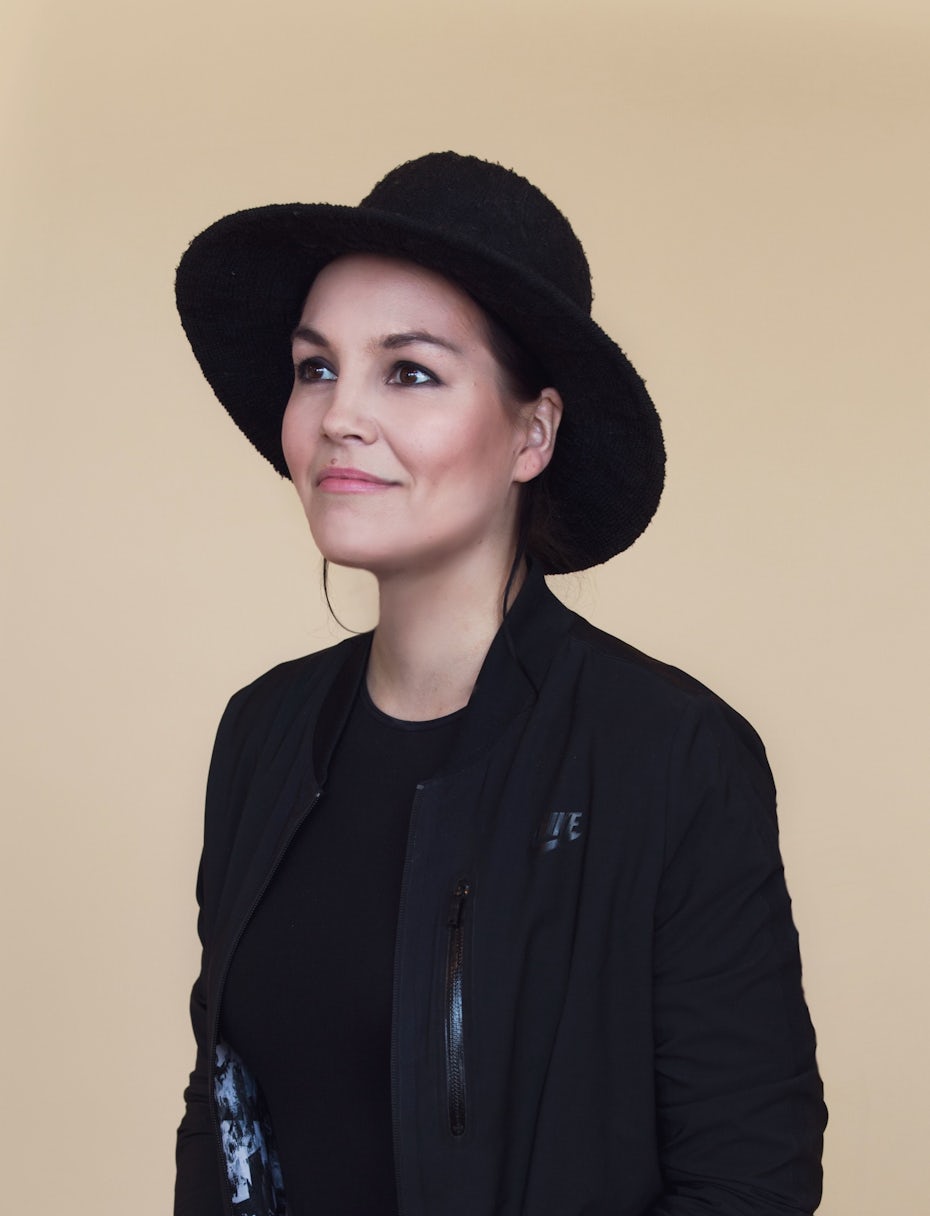
Satu Pelkonen | Digital Design

Miriam Brafman | Packaging

Will Paterson | Typography

Andrea Pippins

andrea pippins illustrator
Celebrated author and illustrator Andrea Pippins weighs in on the Print category

Andrea Pippins creates images that celebrate different standards of beauty. Her work explores ideas of empowerment for women and girls and highlights visual stories that are often overlooked. Her illustrations have been published in Communication Arts, The Huffington Post, and The O Magazine. With her celebratory and vibrant style, she hopes to inspire others to explore various forms of creative expression.

How and when did you get involved with the work you do today?

Working for myself as a full-time illustrator/designer is something I wanted to do for a long time. I had been working for several companies, like Hallmark Cards and TV Land/Nick@Nite, before moving on to teaching design courses full-time as an assistant professor. I was also doing a lot of freelance work on the side: art commissions, branding, and illustration. In one job I got to work with amazing colleagues and young people, and in the other I had total freedom over my creative endeavors. But then it got a little crazy.

My schedule was very intense with trying to manage both workloads. I finally realized doing both was not sustainable. In 2014 I made the decision to work for myself full-time and made the leap in 2015. That year I was offered my first book deal, which opened the doors for more illustration projects and then writing.

Reflecting on the past year, what notable design trends have you noticed? What do you hope will take off?

I’ve been seeing artists experimenting with animation and VR in unexpected ways (check out the work of Aurélia Durand). 

Fun and unique collaborations between artists and big brands is something I’ve been seeing more frequently, like Camille Walala and her recent collaboration with Lego to launch their new product, or Lisa Congdon’s collaboration with Comme Des Garçon. Brands are understanding more and more the added value of working with artists outside of their companies as a way to bring a fresh perspective to their product or service, which can improve the end-user’s experience.


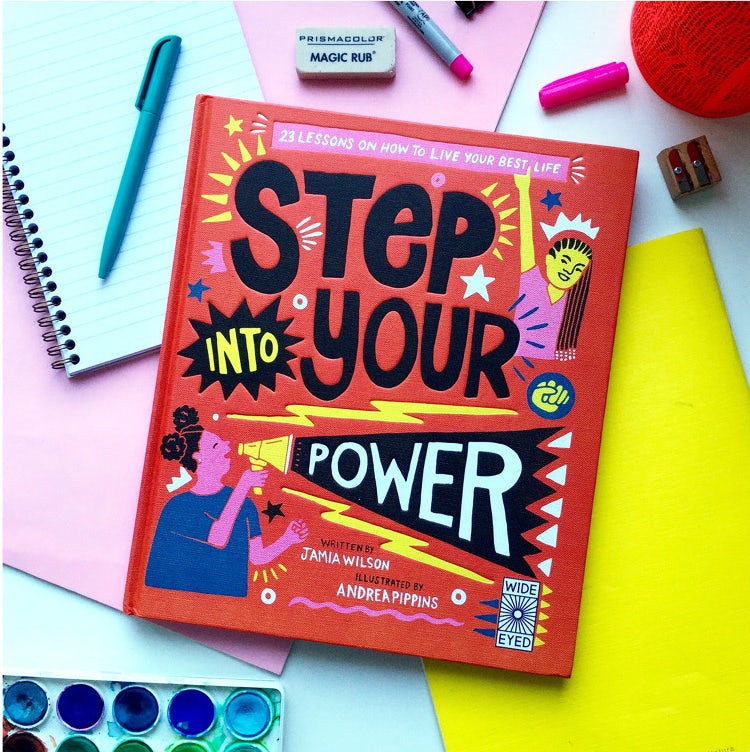
andrea pippins illustration step into your power
via andreapippins.com

The visual memoir trend is really taking off for illustrators. Awesome examples are Jordan Sondler’s Feel it Out and Belonging by Nora Krug. Both books use illustration and hand-lettering to share experiences of self-discovery. The way they play with storytelling by bringing in the text into the image in the form of diagrams, lists, iconography, is quite beautiful. I’m really excited about this trend because I think it opens doors for illustrators and how they tell stories.

When it comes to a printed piece, what really impresses you? 


After being drawn to the piece by color, material, or image, what really impresses me is the content. What is the story or message being conveyed and is it captured in a way that makes me stay, and then walk away still thinking about what I had just seen?

What’s your best piece of advice for aspiring creatives?


Keep practicing your craft, take classes and go to the library, and give back through mentoring, teaching and writing.

Check out the nominees for Best Print Design →


Allison Filice

allison filice illustrator
Meet illustrator Allison Filice

Allison Filice is a San Francisco-based creative whose ‘friendly-psychedelic’ illustrations colorfully explore her inner and outer worlds. She counts The New Yorker, WSJ, Refinery29 and The New York Times among her many clients.

Tell us about your design journey 

I studied graphic design in college and worked in the industry as both a graphic designer and user experience/user interface designer. About three years ago I felt a calling to make a change and I left the design world to pursue illustration full-time. I really needed to have more self-expression in my work, and I realized I could explore that through the medium of illustration.

And if you know you have something important to share with the world, then you have to give it a shot.
- Allison Filice

It took a while to rebuild my career and it was quite a journey into self-discovery as well, but eventually I got some editorial commissions, and those built upon each other and I got more work. Eventually things just started to click.

What emerging editorial illustration trends have you noticed?

At the style level I’ve noticed a lot of beautiful airbrush artists emerging. That’s part of a larger wave of illustration feeling more analog, more abstract, and New-Agey/psychedelic.

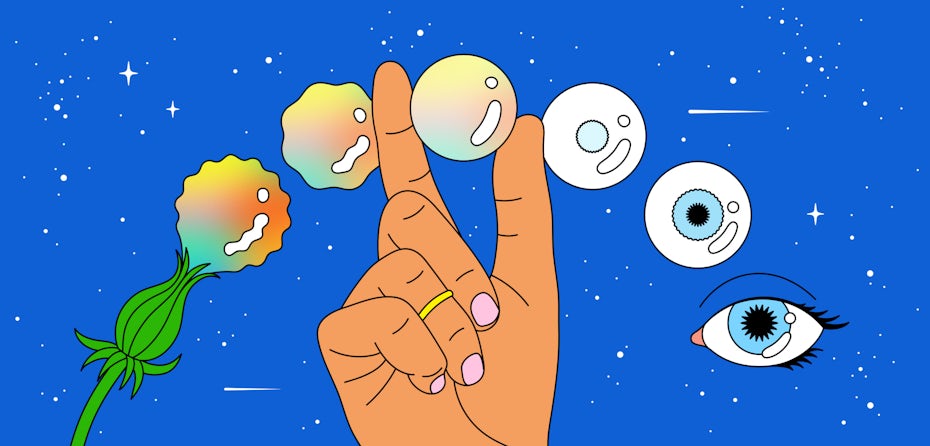
allison filice cosmic flow illustration
Cosmic Flow via allisonfilice.com

When it comes to design, what really impresses you?

I love when an artist has a message to share with the world. When what they’re creating goes beyond skill and style, and they’re tapping into something deeper within them. Something that other people can see themselves in and feel more whole and connected because of it. Almost like a song you can really connect with, but in a visual sense.

What’s your best piece of advice for aspiring creatives?

Start your journey now. Even if you just commit to doing something for ten minutes a day. You have to start sometime, and you have to do a lot of work to find yourself and your style. Some of that work won’t be great, but you have to move through that to emerge in a place where you’re attracting the clients or the audience you want. It can be scary to start taking steps, but you’ll look back in a year and be so thankful you got started. 

Be inspired by the nominees for Best Illustration Design →


Charlie Smith

charlie smith design
Charlie Smith brings the branding expertise

How and when did you get involved with the work you do today?

I’ve been doing it for a long time. Graduating 20 years ago from Glasgow School of Art, then working at Pentagram and NB:Studio, and then setting up a graphic design studio 17 years ago. Today we work in a variety of sectors, including hospitality, culture and arts and retail. Many of the clients we start working with come to us through word of mouth and then become repeat clients, so we often work with companies for quite a few years.

What branding trends have you noticed pop up in the last year?

A lot more motion is being used in identities—specifically logos and key visual assets—which is both exciting and very engaging. But can end up being a bit too tricksy and sometimes feel overused, especially when not entirely appropriate for the company. Variable type is quite exciting and potentially a bit of a game changer, it is exciting to see this new technology.

charlie smith design brandingcharlie smith design branding

When it comes to branding, what really impresses you?

As designers we’re surrounded by beautiful visuals, and it’s easy to be overly influenced by the latest trends. Whether it be typefaces, colour palettes, image style, patterns etc., it’s easy to absorb these styles into one’s work. As a result so much design is becoming homogeneous, so a visual identity for a cosmetics brand can look the same as a restaurant.

What really impresses me is when a design is fit for purpose and not just a stylistic choice. When it doesn’t follow the latest fad. When there’s an idea running through it, and it’s that idea that’s dictated the ultimate visual outcome.

Do you have any advice for designers wanting to break into the agency world?

Do your research, hunt out agencies you’d love to work for. When you’re getting in touch, mention projects you especially like of theirs. It shows you’re interested and engaged. A portfolio should look well put together, but an agency will care more about the ideas and the way you think, rather than the most highly polished portfolio.

I would avoid creating a logo for yourself as you’re not a brand, and don’t do infographics of your abilities in the software. I think it undermines a good portfolio. I’m more interested in seeing a more in-depth project, perhaps a self initiated project stemming from a real interest. I’m interested in hearing about the motivations, research, ideas behind the finished outcome.

Be wowed by the nominees for Best Branding Design →


Satu Pelkonen

satu pelkonen squarespace
Satu Pelkonen is a digital design guru

Satu is a Sr. Design Manager for Squarespace. Her primary role is leading the design efforts of the Brand Design team. Prior to joining Squarespace, Satu spent over four years at Stink Studios New York overseeing the creative efforts as a Design Director leading brand redesigns, web experiences and advertising projects with a range of clients such as Google, Spotify, Sony, Twitter, Facebook, COTY and Chevrolet. She has been honored with accolades from industry awards programs, including Cannes Lions, D&AD, One Show, and The Webbys.

Tell us about your design background

I studied graphic design and engineering, so combining tech and design was something that always intrigued me. It was at a time when Flash was huge and web design was becoming a thing, so I was passionate about learning everything I possibly could.

I was lucky enough to work in some of the best digital agencies in Finland, but I always had the passion to go abroad. In 2014 I moved to New York to work at Stink Studios, and spent five years working on everything and anything digital and design-related you could imagine—while also leading the creative team as a Design Director.

After my time at Stink I wanted to try something different, and I’d heard great things about the internal creative team at Squarespace. This March marks my 1 year anniversary here, and it’s been amazing to see what high-caliber work our internal creative team produces.

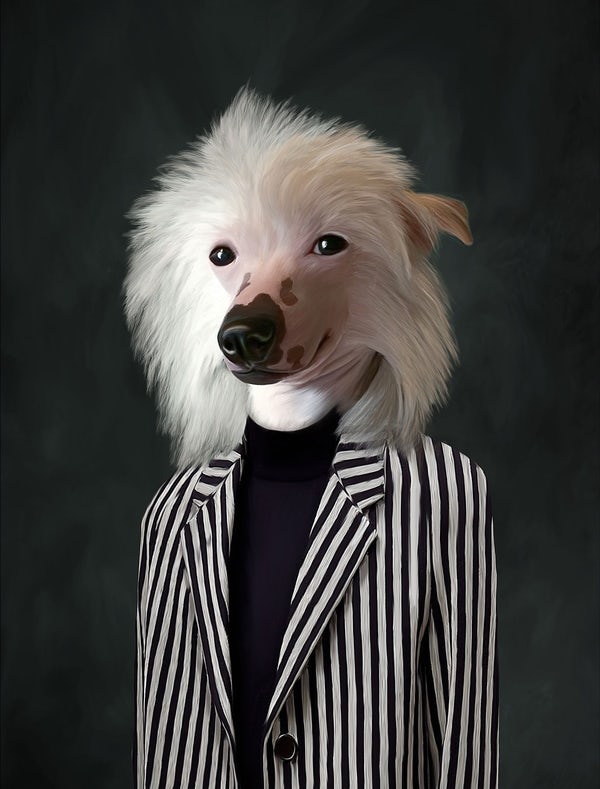
satu pelkonen dog portraitsatu pelkonen dog portrait

Reflecting on the past year, what emerging web or digital design trends have you noticed?

Typography is taking over in web-design. It’s such a huge part of creating beautiful layouts, so it’s been really exciting to see more playfulness with type more recently.

When it comes to on-screen design, what really impresses you?

I love when people combine color, type and photos and empty space in a way that everything just sits perfectly together. Sometimes people get too hung up on fine-tuning the small details when the big picture isn’t fully in place yet. The small interactions and delightful animations will just be the icing on the cake once you’ve managed to nail down the bigger picture.

I’m a big sucker for type. When people are playful but intentional with their use of typography—that always gives me great joy.
- Satu Pelkonen

Do you have any advice for designers wanting to break into UX/UI, or digital design in general?

There’s a ton of things you can learn on the internet nowadays through online resources, courses and tutorials and you really don’t necessarily need an expensive design degree to get into digital design.

What makes digital design different from traditional graphic design is the tech side of things, and I think having an understanding of the technical limitations of digital design and at least a basic understanding of HTML and CSS is always helpful if you want to get in the field.

Check out the nominees for Best Digital Design →


Miriam Brafman

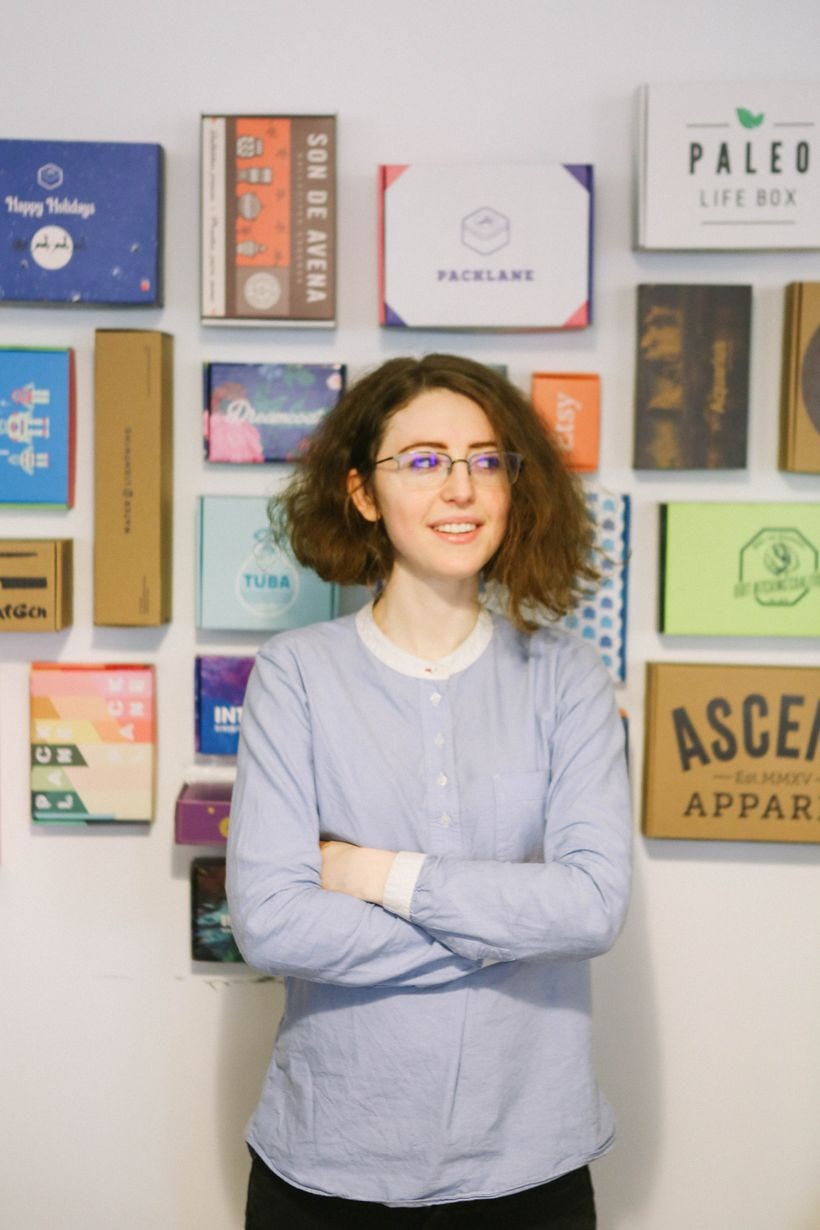
miriam brafman packlane
Miriam Brafman defines creative entrepreneur

Miriam Brafman is the founder and CEO of Packlane, an online printing company that makes it simple for businesses to design custom packaging online. When she built the company in 2015, there were no opportunities for designers like herself to create beautiful custom packaging in small volumes. Seeing a need in the market and with ample design inspiration under her belt, Miriam launched Packlane. Since then, Packlane has provided packaging solutions for over 35,000 clients of all shapes and sizes.

How and when did you get involved with the work you do today?

I fell in love with graphic design in high school and was always inspired by beautiful packaging and the magical wonders it worked making people fall for an unknown product. This led me to found Packlane.com when I was a designer struggling to find a good solution online for designing and ordering custom packaging. Since then I’ve been focused on leading the company to fulfill our mission of democratizing and demystifying the packaging process for tens of thousands of brands.

What emerging packaging design trends have you noticed?

There’s so much incredible vintage design inspiration and color palettes to mine on the internet, and a lot of brands are incorporating these elements into their packaging design in order to stand out. Designers are wanting to portray a timeless look and feel, with heavy usage of serif fonts, and the most effective designs are mixing a good balance of the past with nods to the present.

Throwback and retro packaging that evokes nostalgia is having a big moment.
- Miriam Brafman
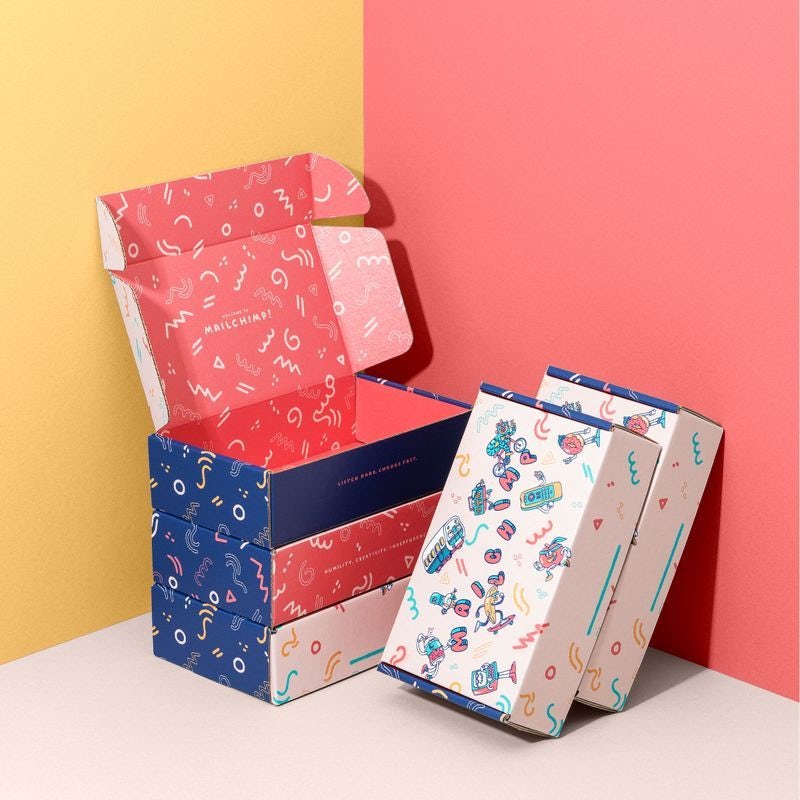
packlane packaging example
via Packlane

When it comes to packaging, what really impresses you?

I’m always impressed when a combination of impressive engineering and structural design gets combined with beautiful graphic art—whether that’s illustration and/or typography.

What’s your best piece of advice for packaging designers?

Packaging is an amazing canvas for creativity. The more you understand about the materials, manufacturability, cost considerations, finishing options, and printing science behind the world of packaging, the better you can create holistic and successful solutions for customers that go beyond just an aesthetically appealing container.

Be stunned by the nominees for Best Packaging Design →


Will Paterson

designer will paterson
Will Paterson knows a thing or two about hand-lettering

Will Paterson is a UK-base logotype designer, educator, Youtuber and author. He creates bespoke logos and brand identity systems for businesses across a variety of industries. Oh, and letters are kind of his thing.

How and when did you get involved with the work you do today?

I got involved with design when I was 17—I stopped going to college to pick up my passion full time. I started posting Adobe Illustrator and Photoshop tutorials on YouTube, where it then evolved into teaching about my design career and everything else in between to help freelancers and creatives.

What hand-lettering trends have you noticed pop up in the last year?

Interesting composition is a given—but nature based typography is beautiful. Applying effects to your lettering or even just balancing your composition always gets a double take and interest from me.

will paterson hand lettering
via WillPaterson.design

Do you have any advice for aspiring hand-lettering designers?

Never stop learning, never stop teaching. Whatever you learn make sure you teach others – share the love! Teaching is another way to generate income and to further build your personal brand. Don’t just look to client work, always teach!

Fall in love with the nominees for Best Typography Design →


The post Meet the 2020 99awards jury! appeared first on 99designs.
Digital marketing vs. traditional marketing: what’s the difference?

Digital marketing vs traditional marketing: what’s the difference between the two and which one should you use? Selecting the right marketing type is an age old question on every marketer’s mind. Here’s everything you need to know.

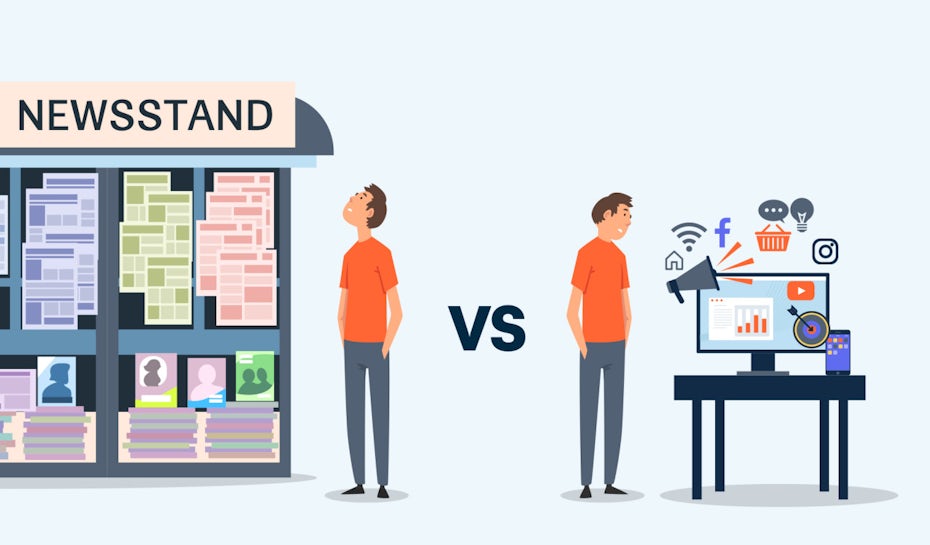
illustration of traditional marketing vs digital marketing options
Illustration by OrangeCrush

What is digital marketing?

Put simply, digital marketing is using digital channels such as websites and social media as tools for marketing communication.

If you’re using social media you will be well versed in the adverts that pop up in your stream—that’s digital marketing.

What is traditional marketing?

Traditional marketing on the other hand involves traditional channels, like billboards and printed media. Think Don Draper in Mad Men brainstorming TV commercial ideas and copy for Coca-Cola.

Up until the development of the internet in the 1990’s, traditional marketing was pretty much the only type of marketing.

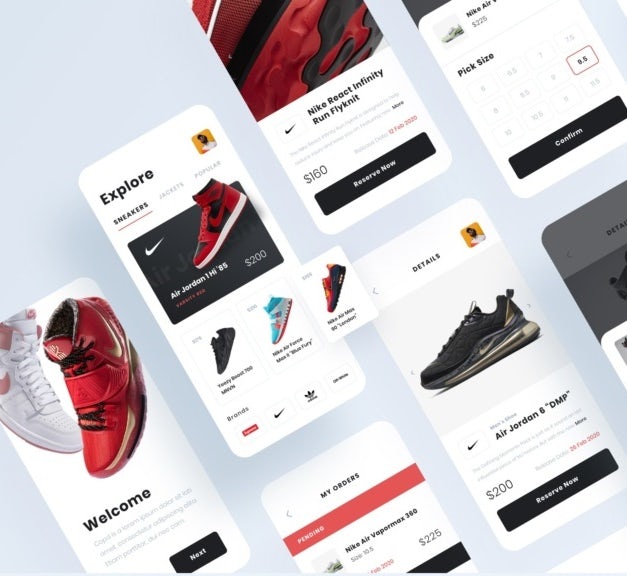
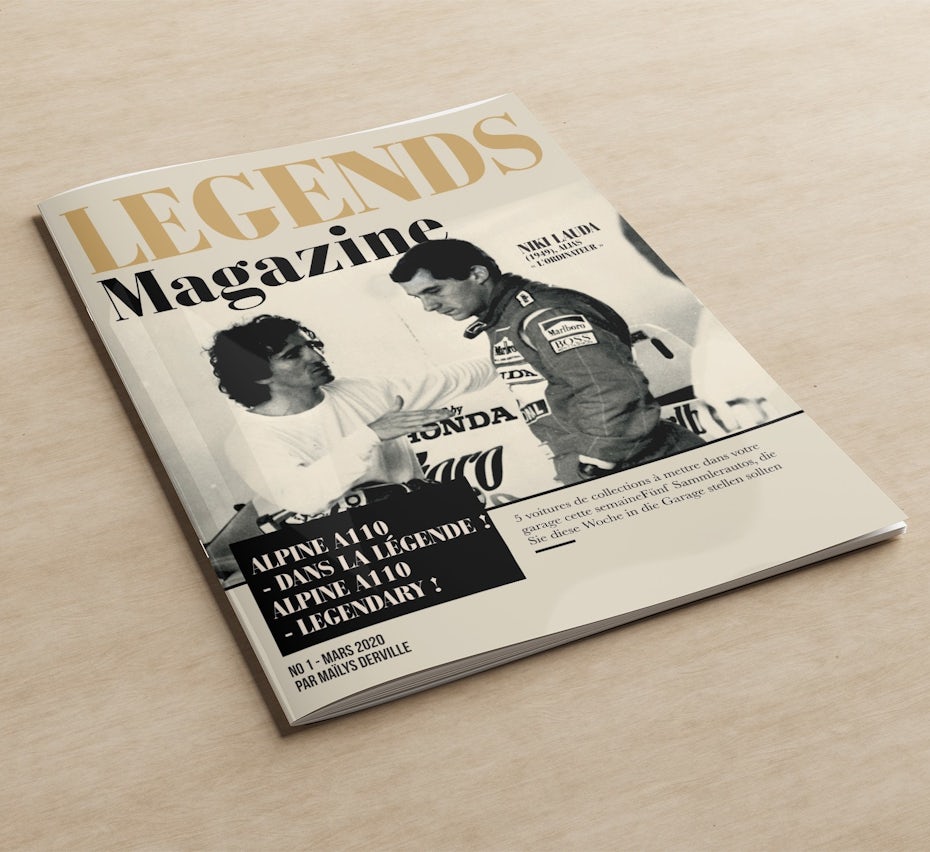
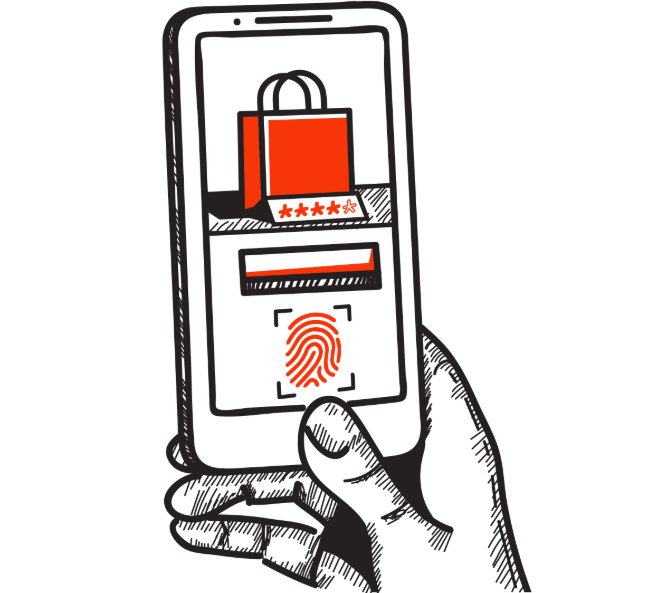
Example for digital marketing: modern app designExample for traditional marketing: Classic magazine cover design

Digital marketing vs. traditional marketing: what’s the difference?

The main difference between digital and traditional marketing is the medium through which an audience encounters a marketing message. While traditional marketing uses traditional media like magazines and newspapers, digital marketing uses digital media, such as social media or websites.

Lizzo Rolling Stone cover
Iconic Rolling Stone cover of Lizzo via Rolling Stone

Of course traditional marketing doesn’t mean it’s old fashioned. Traditional marketing still plays an important role in people’s lives with the ever growing need to step out of the digital world.

The immersive experience of an impactful TV commercial and the tactile nature of a copy of Rolling Stone magazine are as important today as they were 20 years ago because of their lasting effects on your memory. Subconsciously you attach yourself to their brand emotionally, meaning they will stay at the top of your mind.

In the same token, digital marketing is just as important as traditional if not even more so. Digital marketing uses every touch point of your daily use of the internet to reach you.

Sky Scanner Instagram Ad
Tempting holiday Instagram ad via Sky Scanner

If you are google searching holiday ideas for your next weekend getaway, the chances are that soon after you will see a tailored sponsored ad from Sky Scanner.

Using the internet for several hours each day is a normal part of most people’s day to day life. Digital marketing just uses this to its advantage by cleverly weaving in marketing communications into every digital channel.

Which type of marketing should you use?

The key to a great marketing campaign is to find the right balance between traditional and digital. In 2020, digital marketing is the yin to traditional marketing’s yang. Both play an important role in a marketing strategy, but they are each elevated when used in unison.

Take Guinness for example. Their TV commercials are infamous because of their unique and powerful cinematography. Over 20 years later, Guinness’ classic 1999 ‘Surfer’ campaign is still one of the best TV commercials of all time. However, even with this legendary status, Guinness still have to move with the times and incorporate digital marketing into their strategy so that they don’t miss out on some huge marketing opportunities.

Via Guiness

In order to reach a broader and younger audience, Guinness recently expanded their digital marketing horizons by making video content specifically for Facebook and Instagram. Rather than just reformatting their TV commercials, they filmed their campaigns as social first videos by composing the shots specifically with both Facebook and Instagram in mind. The videos were specifically targeted to the audiences they had in mind.

The result was a visually stunning and impactful social media campaign about Compton cowboys caring for their horses in California. Perfectly trendy and sharable Instagram fodder.

Guiness Digital Marketing
Modern digital marketing by Guiness via Marketing Week

Let’s get to the specifics and define the differences between digital marketing and traditional marketing and their pros and cons.

Traditional marketing: pros and cons

With the rise of social media, traditional marketing is often undervalued by marketers. However, traditional marketing still very much has a place in a consumer’s day to day life. If you have the budget to share your campaigns in magazines and prime time TV, your money could be well spent.

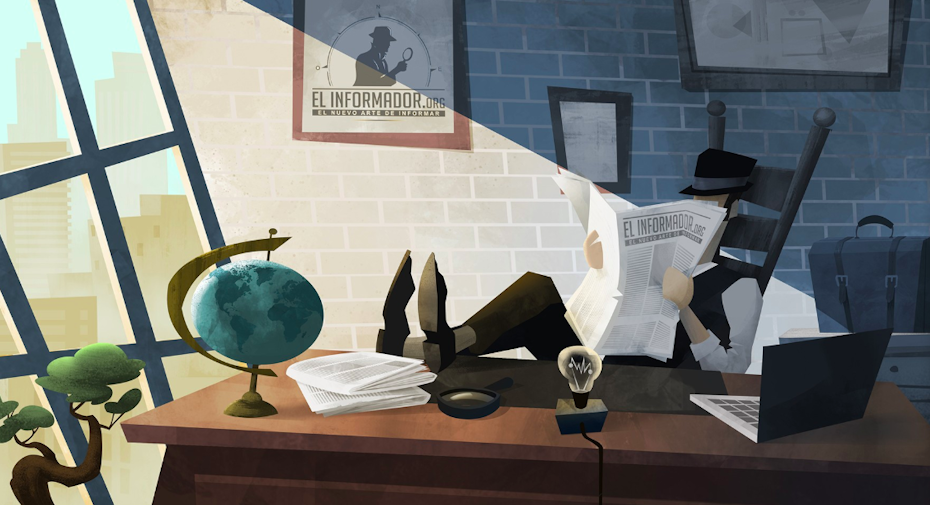
Reading the newspaper
Newspaper traditional marketing illustration by gOrange

Traditional marketing channels include:

  • Outdoor (Billboards, bus/taxi wraps, posters etc)
  • Broadcasting (TV, Radio etc)
  • Print (Magazines, newspapers etc)
  • Direct Mail (catalogues etc)
  • Telemarketing (Phone, text message)
  • Window display and signs
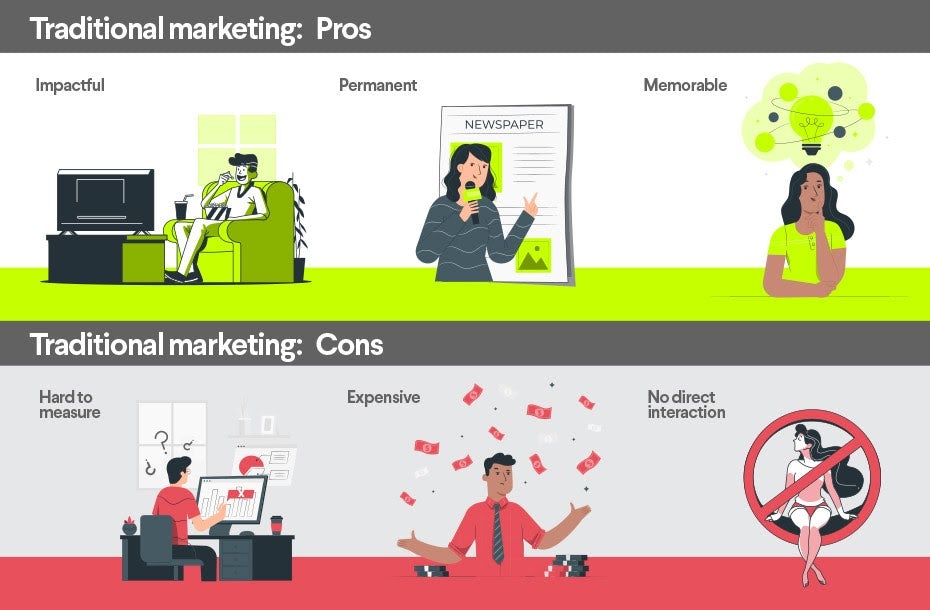
Traditional marketing pros and cons graphic
The pros and cons of traditional marketing

Pros:

Impactful and easy to understand
A visually bold billboard or a striking TV commercial is a normal part of most people’s day to day lives. They’re easy to digest and often entertaining.

Printed marketing materials are more permanent
If you have an advert in an issue of The New York Times it will be there until the magazine is recycled. Which is great if the consumer is an avid collector.

More memorable
Seeing something in real life rather than on your phone is more likely to be remembered. The anticipation of the new Super-Bowl ads or a beautiful and impressive window display is more likely to stay in your mind than an instagram ad you’ll probably scroll past in seconds.

Cons:

More difficult to measure campaigns
There are ways to measure traditional marketing campaigns such as brand trackers but they are nowhere near as in depth or intelligent as the tools available for digital marketing.

Often expensive
If you’re a brand in its infancy chances are you don’t have the funds for a 4 page spread in Vogue. Many forms of traditional marketing will set you back a considerable amount.

No direct interaction with the consumer
Unlike social media marketing, you’re more or less in the dark about your audience’s reaction to your marketing efforts.

Digital marketing: pros and cons

However impactful traditional marketing is, we can’t forget that we are well and truly living in the internet age.

Digital marketing illustration
Digital consumer illustration by HenryLim

According to ClickZ, “Internet users now make up 57% of the global population. On average, people spend 6 hours and 42 minutes online each day. By 2021, a projected 73% of all ecommerce sales will come from mobile.”

That’s a mind-bogglingly huge amount of time and opportunity to do some clever digital marketing.

Digital marketing channels include:

  • Social media (Facebook, Instagram etc)
  • Website
  • Content marketing
  • Affiliate marketing
  • Inbound marketing
  • Email marketing
  • PPC (pay per click
  • SEM (Search engine marketing)
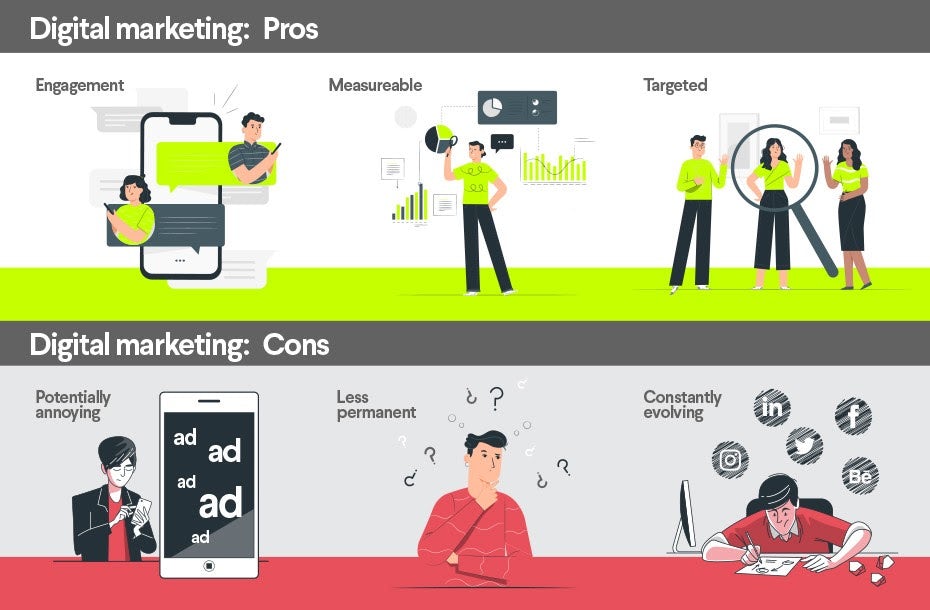
Digital marketing pros and cons graphic
The pros and cons of digital marketing

Pros:

More options for engagement
Through channels such as social media you can physically see what your audience think of your brand and marketing efforts. If your marketing has been shared, liked and had plenty of positive comments, you know you’re doing something right.

Easy to measure your campaigns
On the flipside to traditional marketing, the specifics of digital marketing tracking is exceptionally in depth. This makes your learnings extremely clear for your next round of marketing efforts.

Makes clever targeting possible
If you have the tools to specifically target a 29 year old female writer who loves Lizzo and drinking Guinness then surely you can also create perfectly tailored content?

Cons:

Digital ads can be deemed as annoying

Think about the moment you’re scrolling through your Facebook homepage and all you want to do is see what your old school friends are up to these days. Then you get the dreaded sponsored ad for something related to an embarrassing ailment you googled the night before. It’s sure to make you actively dislike the very brand doing the clever targeting.

Less permanent

Digital marketing efforts like Google ads, banners, promo emails or social media ads can have a fleeting, temporary character. They’re intangible and can easily be ignored. If your target audience keeps scrolling or clicks to the next page your ad will be gone from their screen.

Constantly evolves

To get the most out of your digital marketing efforts there is a lot to learn. Each channel usually requires its own specialist, from search engine marketing to social media, each channel requires a pro to get the best bang for your buck. However, a grass-roots social media marketing strategy is a great place to start. Have a look at our digital marketing strategy guide for some inspiration.

Find what works for you

Ultimately both types of marketing have their benefits and downfalls, but the key is understanding your specific marketing needs, considering your budget and understanding your target audience.

Traditional marketing channels are often more expected and welcomed by the Baby Boomer generation and Gen X—people who own televisions and prefer to buy newspapers for example. However, digital marketing is a surprisingly suitable route for all ages, not just millennials and Gen Z—my nan spends hours scrolling through Facebook, sharing Lad Bible videos and shopping online.

The moral of the story: both digital and traditional marketing can work for you, as long as you know what your audience wants.

Need outstanding marketing materials designed?
Our designers can help you create just about anything.

The post Digital marketing vs. traditional marketing: what’s the difference? appeared first on 99designs.
Friday, February 14, 2020

How Squarespace created their Experts Marketplace with the 99designs API

Squarespace is a market-leading all-in-one platform where millions of creative entrepreneurs can build a website, sell online, and market a brand. Here’s how they created their Expert Marketplace to match their customers with design experts.

Squarespace marketplace top intro section
Using 99designs’ API, Squarespace created their Experts Marketplace, a solution for matching customers and Experts
mid section of homepage showcasing the variety of experts
Squarespace Experts on the Marketplace page

Design professionals have always been an important segment of Squarespace’s ecosystem and nurturing the talents of these individuals organically evolved into a community called Circle.

Recognizing Circle as a valuable resource of web design knowledge, Squarespace experimented with a manual matchmaking flow. The idea was to connect customers with Circle members, who had the skills to help customers progress with their websites.

The demand for this service outsized the capacity for manual matchmaking and, in fact, the experimental system couldn’t match customers and experts fast enough. Squarespace knew that the project required extensive expertise and a bigger investment to create a dynamic marketplace that would deliver a great experience to both customers and experts.

Rather than build the marketplace themselves, Squarespace decided to partner with 99designs so they could make the most of their ready-to-roll technology and get to market fast.

Solution

1. The technology

Using the 99designs API, Squarespace created a solution that could match experts and customers using real-time data, such as availability, capacity, and industry relevance. Squarespace already had an existing online brief that could be integrated via the API and designer profiles were also mirrored on Squarespace to bring the marketplace to life.

But there’s so much more after the match. The 99designs platform provides experts and customers with simple solutions to complex problems, such as creative collaboration, payments, and global multi-lingual support.

2. Community

99designs worked with Squarespace to invite hundreds of experts from Squarespace’s Circle community, all of whom wanted to be connected with work opportunities.

As demand grew, the 99designs team has worked with Squarespace to add more designers to provide additional supply for customers.

It’s been absolutely incredible to be a part of the Squarespace Marketplace. It has quadrupled our business and we’ve been able to reach clients all around the world, which would be really hard without having 99designs and Squarespace Marketplace to advertise and to collaborate with.
- Squarespace Expert, Visuable
minimalistic travel website designLidia Drzewiecka, founder of Visuable

3. Metrics & strategy

At 99designs, we have been running our own marketplace for over 10 years and were able to provide Squarespace Marketplace with a rich dashboard of metrics on day 1.

The 99designs and Squarespace teams continue to review these metrics on a daily basis and are able to make decisions around conversion optimization, balancing supply and demand, and also ensuring that customers and designers are both having a positive experience. With this process, the Squarespace Marketplace grows with the feedback and experience of everyone involved.

Results

In the space of a few months, Squarespace was able to launch a best-in-class marketplace experience that capitalized on more than a decade of investment from 99designs.

I’m so grateful for this service and design, it really brought everything to life for me. I couldn’t be happier with the results!
- Squarespace Marketplace customer, Kathryn Last

Squarespace is now able to attract and convert a new segment of customers—the do-it-for-me customer—that they previously didn’t have a solution for.

This has benefited both customers and experts on Squarespace Marketplace alike. The platform provides highly relevant matches as well as a secure space for end-to-end project collaboration.

Erin Petree, Marketplace Team Lead at Squarespace
Erin Petree leads the Marketplace team at Squarespace
Leveraging 99designs’ years of expertise and established marketplace infrastructure helped Squarespace get to market quicker. They’re collaborative partners, and we’re excited for what the future has in store.
- Erin Petree, Marketplace Team Lead, Squarespace

As a result, Squarespace now has a rich platform for connecting the ecosystem around their core product, and they can continue to focus on building best-in-class tools knowing that they have a partner in 99designs who will continue to drive their marketplace experience forward.

Want to create a do-it-for-me solution like Squarespace did?
We can power your marketplace.

The post How Squarespace created their Experts Marketplace with the 99designs API appeared first on 99designs.
Thursday, February 13, 2020

10 best freelance digital designers for hire in 2020

Every time you look at a screen, you’re looking at digital design that was likely made by a freelance digital designer. Digital design is everything from web design to emails to banner ads. Getting digital design right is important because users expect apps, games and websites to look and feel intuitive, easy-to-navigate and cohesive.

Working with a skilled freelance digital designer ensures that your project will end up like the vision you had in your head—or even better! To help you find the best freelance digital designers to hire in 2020, we compiled this list of the top digital designers on our platform. Take a look at what our top performers are doing in digital this year!

How to get the best digital design

You’re probably familiar with the concept of hiring a freelance designer. But what you might not realize is that there are a few different ways you can do this. One way to find the right digital designer for your project is to host a design contest.

Blue and green illustrated nature website for a brewery
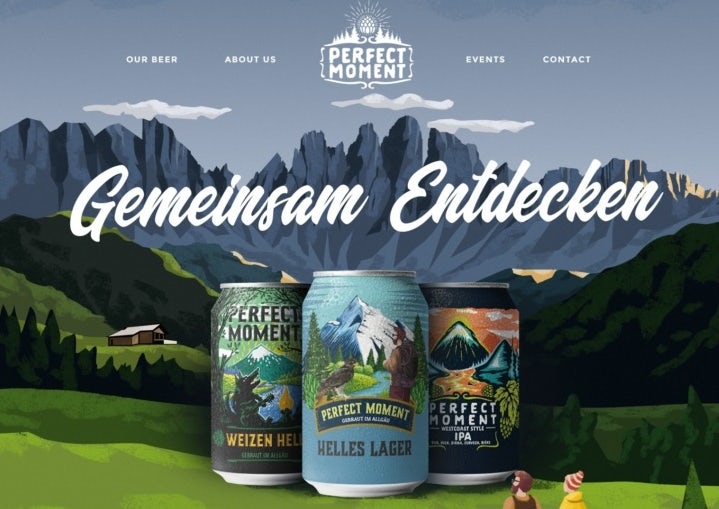
A landing page is a type of design digital designers create. Design by DSKY

With a design contest, you write a brief that describes what you’re looking for. This brief lists the kind of project you’re working on, what you need it to do and any design details you have in mind, like a color palette or a certain kind of look and feel. Designers from around the world read your brief and submit design concepts based on the information you’ve provided. Then you choose finalists, give them feedback on their concepts and ultimately choose the one that you like best. If ideation help and seeing a variety of design styles is important to you, we recommend starting a design contest.

Learn more about digital design contests –>

But if you already have a pretty solid idea of what you want your finished project to look like, you can save yourself time by skipping the contest and hiring a digital designer who meshes with your style directly.

The 10 best freelance digital designers to hire in 2020

  1. 1
    Top Level
    5.0
    ( 166 )
    • Web page design
    • Landing page design
    • WordPress theme design
    • Other design
    • Other web or app design
    • Illustration or graphics
    • Postcard, flyer or print
    • Other business or advertising
    • Logo design
    • Brochure
    • Signage
    • Flash banner
    • Facebook cover
    • Email
    • Business card
    • Brand guide
    • Other book or magazine
    • Infographic
    • Icon or button
    • Poster
    • Logo & hosted website
    • Logo & business card
    • Logo & brand identity pack
    • Banner ad
    • Book cover
  2. 2
    Top Level
    5.0
    ( 99 )
    • Web page design
    • WordPress theme design
    • Landing page design
    • Other design
    • Other web or app design
    • Other business or advertising
    • Icon or button
    • Email
    • Banner ad
    • App design
    • Logo design
    • Illustration or graphics
  3. 3
    Top Level
    5.0
    ( 84 )
    • Banner ad
    • Other web or app design
    • Landing page design
    • Web page design
    • Other business or advertising
    • Other design
    • Social media page
    • Infographic
    • Postcard, flyer or print
    • Product label
    • Stationery
    • Other Graphic Design
    • Other book or magazine
    • Logo design
    • Email
    • Book cover
    • Poster
    • Logo & hosted website
    • Illustration or graphics
    • Other packaging or label
  4. 4
    Top Level
    5.0
    ( 221 )
    • Logo design
    • Web page design
    • Landing page design
    • Banner ad
    • Product label
    • WordPress theme design
    • Product packaging
    • Brochure
    • Logo & business card
    • Other design
    • Other web or app design
    • Logo & hosted website
    • Logo & brand identity pack
    • Menu
    • Icon or button
    • T-shirt
    • Postcard, flyer or print
    • Illustration or graphics
    • Other packaging or label
    • Other business or advertising
    • Email
    • Business card
    • Book cover
    • Tattoo
    • Poster
    • Infographic
    • Facebook cover
  5. 5
    Top Level
    5.0
    ( 112 )
    • Web page design
    • WordPress theme design
    • Other design
    • Landing page design
    • Other web or app design
    • Other business or advertising
    • App design
    • Facebook cover
    • Stationery
    • Social media page
    • Poster
    • Logo & business card
    • Icon or button
    • Business card
    • Brochure
    • Banner ad
  6. 6
    Top Level
    5.0
    ( 24 )
    • Web page design
    • Other web or app design
    • App design
    • Landing page design
    • Other design
    • Icon or button
  7. 7
    Top Level
    5.0
    ( 86 )
    • Web page design
    • WordPress theme design
    • Other web or app design
    • Landing page design
    • Other design
    • Facebook cover
    • Email
    • Social media page
    • Other business or advertising
    • Business card
  8. 8
    Top Level
    5.0
    ( 12 )
    • Web page design
    • WordPress theme design
    • Landing page design
    • Business card
    • Stationery
    • Postcard, flyer or print
    • Other web or app design
    • Logo design
    • Illustration or graphics
    • Icon or button
    • Email
  9. 9
    Top Level
    5.0
    ( 146 )
    • Banner ad
    • Facebook cover
    • Social media page
    • Web page design
    • Other web or app design
    • Other design
    • Logo design
    • Landing page design
    • Other business or advertising
    • Web Page Design (Coded)
    • Poster
    • Postcard, flyer or print
    • App design
    • Other Graphic Design
    • Signage
    • PowerPoint template
    • Other packaging or label
    • Other book or magazine
    • Other art or illustration
    • Illustration or graphics
    • Icon or button
    • Email
    • Brochure
    • Logo & brand identity pack
    • Brand guide
  10. 10
    Top Level
    5.0
    ( 45 )
    • Web page design
    • Landing page design
    • WordPress theme design
    • App design
    • Infographic
    • Other web or app design
    • Business card
    • Social media page
    • Postcard, flyer or print
    • Logo design
    • Banner ad
    • Logo & hosted website

How did we choose these as the top digital designers?

We know digital design is critical to get right because if you get it wrong, you lose a ton of clicks. Or you never get those clicks to begin with. No matter what kind of design you’ve got, poor digital design will cost you the users’ attention and ultimately, the conversion you were after. So when we made our list of the best digital designers to hire in 2020, we looked closely at these three things:

Orange, teal and white flat design icons for web analytics
Attractive digital design keeps people on your site or using your app. Icon design by Pinch Studio

1. Design quality

When a new designer joins 99designs, one of the design experts on our team goes through their portfolio and looks for the conceptual thought, technical execution and knowledge of design principles present in their work. From here, the expert assigns the designer one of three levels:

  • Top level
  • Mid level
  • Entry level

When you look at a designer’s portfolio page, you can see their level right under their name. This way, you can quickly see whether they’re a designer with a ton of experience or somebody who’s still up-and-coming.

2. Digital design experience

Digital design and graphic design aren’t the same thing. Digital design is a broad area that requires lot of experience designing for digital screens. Keep this in mind when you’re searching for a digital designer—someone who bills themselves as an illustrator or print designer might not have all the skills to deliver the project you’re after. Beyond looking at each designer’s overall quality, we looked specifically at their experience with digital design. Only designers who specialized in digital design made the cut.

3. Professionalism

Being a top level designer and having specialized experience in digital design kept designers in the running, but only those with one more quality made it into our top 10: professionalism. We looked closely at each designer’s track record with meeting deadlines, communicating with clients and overall, being easy and pleasant to work with because we wanted to make sure every digital designer in our top picks is a consummate professional.

Are you ready to hire a freelance digital designer?

Whether you need a set of graphics to make your app come alive or a digital banner that gets your website all the clicks, you need to work with an experienced digital designer who can deliver exactly what you’re looking for. If you’re not certain one of our top 10 can do just that, search our platform to find the designer who can.

Want more digital designer choices?
Find the perfect designer for your project!

The post 10 best freelance digital designers for hire in 2020 appeared first on 99designs.