Friday, August 28, 2020

How to start an online store: the ultimate guide

So you want to start an online store. Maybe you’re totally new to retail, or maybe you already run a successful brick and mortar shop and you’re ready to take it online. In either case, there’s a lot to learn about ecommerce before you dive in, some of it you probably already know if you’re already in the biz.

How to start an online store
Illustration by OrangeCrush

This guide isn’t Retail 101. Our starting point is the moment you decide you’re ready to make ecommerce part of (or your entire!) business model. Read on to learn more about the critical decisions you’ll be making at this stage, like which type of platform is best for your store and how to effectively market to online buyers. If you’re not quite at this point yet and you’re looking for more of an overview of starting an ecommerce business, check out our post How to start an ecommerce business in 7 simple steps.

Before you get started with your online store

A lot of the guides to launching an ecommerce business you’ll find online start by telling you to choose what you want to sell and research your market. That’s great advice, but we’re going to assume you’ve already done that and you’re ready to start taking tangible steps toward launching your store.

light blue rocket ship with eyes against a dark blue background
Make sure your pre-launch checklist is complete before you hit “go.” Logo design by Angela Cuellar

When you’re at the stage of choosing a hosting provider and putting the store’s design together, you should have already:

  • Registered your business name. The process for this varies from country to country, so follow the process for registering a new business in your country
  • Incorporated your business. Just like registering your business name, this process varies from country to country
  • Established a bank account for the business
  • Created a sales tax ID for your business and if necessary, a resale certificate
  • Obtained an ecommerce business license, which again, involves different processes in different cities, states and countries
  • Locked down social media handles for your store

stylized logo of a yellow bee with a checklist on its back
Keep a list, check it twice and if you’re not sure about something, research it. Logo design by Konstantinos Arg

Operating a business without the proper licensing and tax documents can land you in some legal and/or financial trouble at tax time. Do your future self a favor by doing everything “by the book” before you launch your store.

Another step to take at this stage is buying the domain name you’ll be using from a registrar like GoDaddy or Domain.com. You can also buy a domain through certain ecommerce platforms, like Shopify. If you’re considering creating your store through a platform like this, look into whether you can buy a domain through it.

Buying your domain through an ecommerce platform can make the process super easy, but it probably won’t get you the best price. Think of it as paying a premium for not having to deal with redirecting the domain name from the registrar to your store. Keep in mind that if you buy your domain from a registrar, then opt to use a platform like Shopify, you can always migrate your domain name to the platform.

ad showing a sitting man in a suit with a blue balloon for a head as a hand attempts to pop him
Make sure everything about your website is clear, memorable and designed to appeal to buyers. Ad design by Proi

When you’re shopping for a domain name, you’ll notice you have a few different extension options. Dot biz (.biz) is the “business” extension, but you shouldn’t choose it.

Here’s why: when people think of a website, they automatically think dot com (.com). Dot com is universally known and trusted, which is why it’s so valuable compared to other extensions. The dot com version of the domain you want will probably cost more than the dot biz version, but it’s an investment worth making.

If you mainly operate in countries with a specific domain extension, you can use these country-specific extensions to make your visitors feel “at home” straight away.

Ready to move forward and find a place to host your store? First, make sure your niche and business plan are crystal clear. Instead of going into business selling dog clothes, refine your niche and go into business selling sustainable dog clothes or quirky, fun dog clothes. Research how many other ecommerce stores are working in your specific niche, how they’re marketing themselves and how their markets respond to them. Before you hit the web, your niche might need some refining or retooling to ensure it’s optimized for max profit.

illustrated page showing hands with creative tools like glue, scissors and leaves
Once the formal stuff’s finished, your ecommerce business is free to fly. Ad design by Luz Viera

Will your online store be hosted, licensed or DIY?

One of the biggest decisions you’ll make when you start ecommerce business ventures is where and how your store will be hosted.

Let’s take a quick second to say that lots of ecommerce entrepreneurs run successful shops on Amazon, Etsy and eBay. But there’s a huge difference between having a seller’s account on one of these platforms and running a full-blown ecommerce business.

With platforms like Etsy and eBay, you have pretty limited options when it comes to customizing your shop and it feels more like you’re operating a vendor stall at a big, crowded flea market instead of managing your own free-standing store. They can be a great place for people doing ecommerce as a side hustle or somebody who’s just getting started, but when you’re really serious about building something that will fly high, you need a more comprehensive platform.
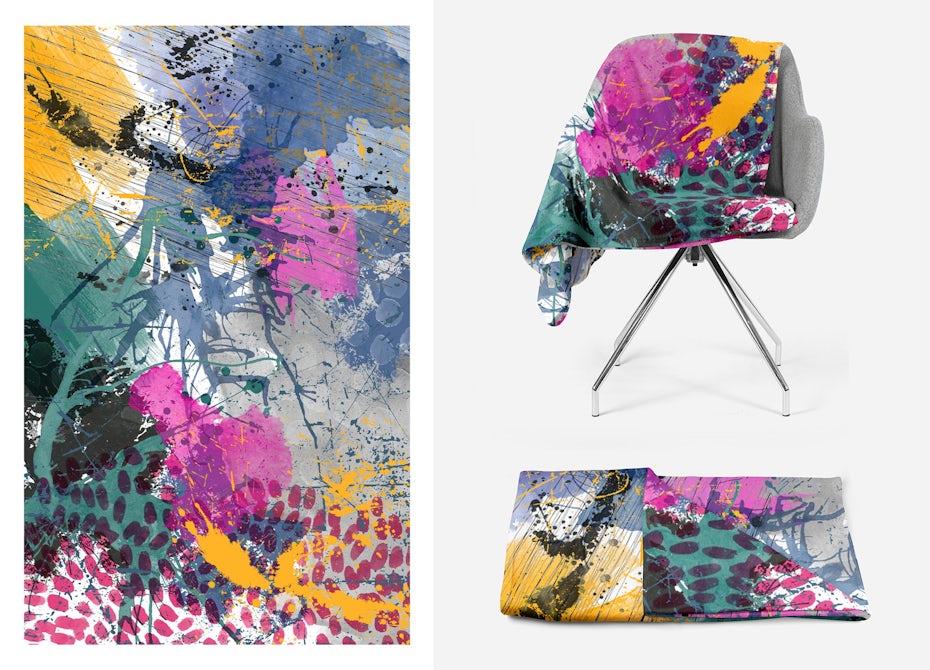
multicolored graphic textile on a chair
Lots of entrepreneurs who make their own products get their start on Etsy. Illustration by M.m.

Hosted platforms

In terms of comprehensiveness, the next step up is building your store on a platform that handles hosting for you. Shopify, Squarespace, Wix stores and BigCartel are four platforms that do just that.

yellow and white kitchen goods website design
Shopify is one of many great ecommerce platforms on the web. Website design by Sudip Dutta

Each of these platforms makes it super easy to set up your store, no coding skills required. You can buy your domain through them and start setting up shop with just a few clicks. When you buy a website package, hosting is included, as are lots of ecommerce templates.

Building your ecommerce store on this type of platform is ideal if you’re not techy and you want a simple, all-in-the-box solution. By opting for this kind of setup, you agree to play by your chosen platform’s rules and you’re limited to that platform’s customization options. That’s not to say you can’t get a truly unique web store design to use on a hosted platform—you can—but it needs to be designed specifically to work with that platform and its limitations.

white website showcasing body care products
Squarespace is another great option for ecommerce. Website design by Creative_David

A hosted platform isn’t the way to go if you’re looking to build an ecommerce store from scratch or customize it with lots of unique features and plugins. It’s also not the way to go if you want to shop around for the best price on hosting or save money by handling the development and security yourself.

three diamond-shaped logos with empowering words and watercolor flowers
If you need something robust, licensed software is generally the way to go. Logo design by merci dsgn

Licensed ecommerce software

You can also download a licensed ecommerce platform like CS-Cart or Magento. With this option, you get more control over your store— but with more control comes more moving parts to handle. That means finding your own hosting (or setting up your own), handling your own site security and getting into your store’s actual code to edit existing templates or give it a unique look. If you don’t have the time or skills to do these tasks yourself, you’ll need to hire people to handle them for you.

The biggest plus of a licensed product over an ecommerce platform like Shopify is that you can do so much more when you’re the one with all the controls. You can use any third party plugins you’d like, you can customize them yourself and you’re not subject to any hosting outages or other issues on the platform’s end, including inadvertently violating their terms and conditions and having your store shut down.

For a big, busy ecommerce store that handles hundreds of transactions every day, a licensed ecommerce product provides the flexibility and power necessary. But for a smaller shop, it could be more than you need—especially if you aren’t working with a big budget or you’re not a seasoned developer.

DIY

Then there’s a third option for entrepreneurs who want to start online stores: setting up your own hosted ecommerce website. The most popular way to do this is by using WordPress and WooCommerce, an ecommerce plugin that makes it very easy to set up an online store. Both WooCommerce and WordPress are free and open-source, so there’s a lot of room to customize your site’s look and feel and all you have to pay for is hosting and any premium plugins or themes you want.

Webpage Design for coffee subscription company
WordPress is another consistently popular program for creating ecommerce websites. Website design by DSKY

WordPress + WooCommerce isn’t quite as user-friendly as platforms like Shopify and Squarespace, but it’s generally more user-friendly than working with a downloadable software option. You’re still responsible for your own hosting and your own security, and if you want to modify an existing theme, you’ll need to have some coding knowledge (or the budget to hire somebody with coding knowledge).

So why would you choose this option? It’s highly customizable, it’s inexpensive and it’s got everything you need to set up and run an ecommerce business. Why wouldn’t you choose it? If you’re not comfortable with code or you want an all-in-one solution, go with an ecommerce platform. If you want total control and need something big and robust, go with licensed ecommerce software.

Build your online store

Once you’ve committed to where your online store will “live,” it’s time to start building. This is where you get to be creative — or where you hire a skilled ecommerce designer to design the shop for you.

dog subscription box website in blue and orange
Effective ecommerce design has a clear progression, engaging photos and catchy copy. Web design by DSKY

If you don’t have a clearly defined, fleshed-out brand identity, now is the time to create one. Your brand identity isn’t the same as your niche, but your niche plays a huge role in determining your brand and brand identity. In short, your brand is your ecommerce business’ personality, and your brand identity is all the design elements that communicate its personality, like your logo and the color palette you choose for your website. If you’re still developing your brand and brand identity, check out our guide to branding an ecommerce business.


jar of honey and its logo illustration of a construction crew building a computer

Every ecommerce business’ design is unique, but the most successful ones all have a few things in common. These are:

  • Detailed, well-composed photos of the actual products. Not generic stock images, not boring cell phone pics, but high quality photographs that showcase the products in engaging, compelling ways
  • Clear navigation that makes everything a shopper needs, like their cart and your contact information easy to access
  • Product descriptions that speak to the buyer in a way they’ll respond to and that’s true to your brand
  • A brand story. Give buyers a reason to buy from you. Show the world who you are by telling your unique story
multi-part cheese ecommerce website
Different background colors designate section breaks, you get to see all the products and you get to meet the creators in this website design. Web design by eeeh_aarrh

If you’re not able to do all of these yourself, you’re best off outsourcing them to professionals. Don’t sacrifice quality to save money—it will only hurt your brand.

Dropship or self-storage?

Retail products take up a lot of space, and if you don’t have a lot of space at your disposal, keeping and managing your inventory can be a problem. So for many ecommerce entrepreneurs, dropshipping is a necessity.

wheat straw website design with lots of photos showing straws and beverages
With dropshipping, you can reach customers around the world. Web design by logicainfo

Here’s how dropshipping works: you, the store owner, partner with a product supplier. When a customer makes an order, you direct the sale to the supplier, then the supplier ships the item directly to the buyer. In fact, you don’t even need to be part of the transaction—you can buy dropshipping software that automates the process, so sales go directly to the supplier and all you have to do is sit back and get paid.

If you dropship, you don’t buy your products upfront or have to worry about storing them once you’ve partnered with a supplier. Some ecommerce platforms include dropshipping apps in their app stores, so you can seamlessly integrate dropshipping into your business. A few big names in the dropshipping and fulfillment world are:

  • ShipBob
  • Freight Pros
  • WhiteBox
  • FedEx Fulfillment

However, dropshipping isn’t your only option. And depending on the kind of stuff you sell, it might not even be an option. If you’re selling one-of-a-kind goods and pieces you’ve created yourself, you’re the supplier and the seller.
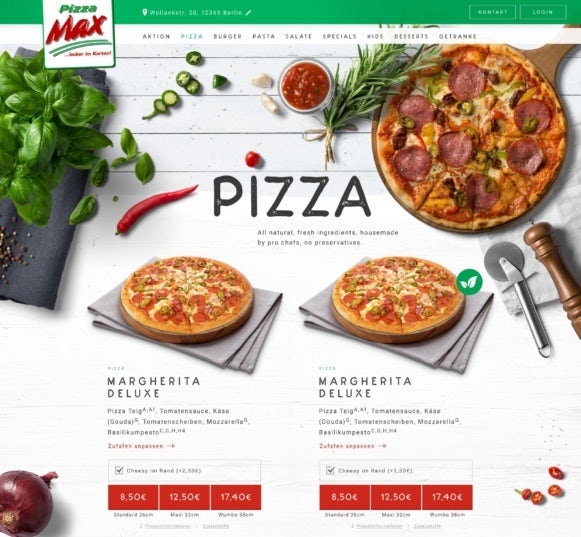
Pizza Max website
Some things obviously can’t be dropshipped, like fresh pizza. But frozen pizza? Drop it like it’s cold. Web design by arosto

Similarly, if the items you’re selling come from a manufacturer that doesn’t also do fulfillment, you’ll have to figure out your own inventory storage and order shipping. This could mean renting space in a third party warehouse that might or might not also do fulfillment or going totally DIY with your storage and shipping, which means either renting a self-storage unit or clearing out your garage for a truly DIY logistics setup.

Reach your buyers

logo showing an astronaut riding a rocket like a pony
If you want big results, you’ve got to go big with marketing. Logo design by spoon lancer

Now it’s time to make sure the people who want to buy your stuff are the people who see your store. This means a marketing blitz as soon as it goes live.

colorful sales page for a social media stories service
Social media is one of the most effective ways to reach your target audience. Web design by Elevaanto

Before your store goes live, have a marketing plan in place. Great SEO isn’t optional, it’s vital to your store’s success. Your store’s name, your product descriptions, your website’s meta data and the images you use for your products all impact how it ranks in search engines, so if you’re not familiar with SEO, hire somebody who is to make sure your store doesn’t get buried in the overwhelmingly huge ecommerce universe.

But SEO isn’t all you need. You should also be posting on the social media platforms your target audience uses most and creating an organic following there. Remember how we said you need to lock down the social media handles for your business before you worry about hosting and creating the website? That’s because like SEO, social media marketing isn’t optional these days. It’s a requirement for success. Supplement your organic marketing with paid ads to guarantee the right audience is meeting your brand.

colorful fashion newsletter
Email marketing is another key marketing strategy for any ecommerce entrepreneur. Newsletter design by Bella”

While you build your audience through social media, build an email list. There are lots of ways to collect buyers’ email addresses, like through sales and by offering discounts and promos in exchange for them. Once you’ve got an email list, start sending newsletters to keep your audience engaged and aware of your latest goodies.

As your business grows and you make sales, you can add buyer testimonials to your marketing strategy. Positive reviews on your website and in your newsletters communicate your value to new potential buyers and can generate interest in your brand. Another way to generate interest in the audiences you want to reach is to work with social media influencers, profiles with a lot of followers who can showcase what you’re selling and tell their fans what makes your stuff great.
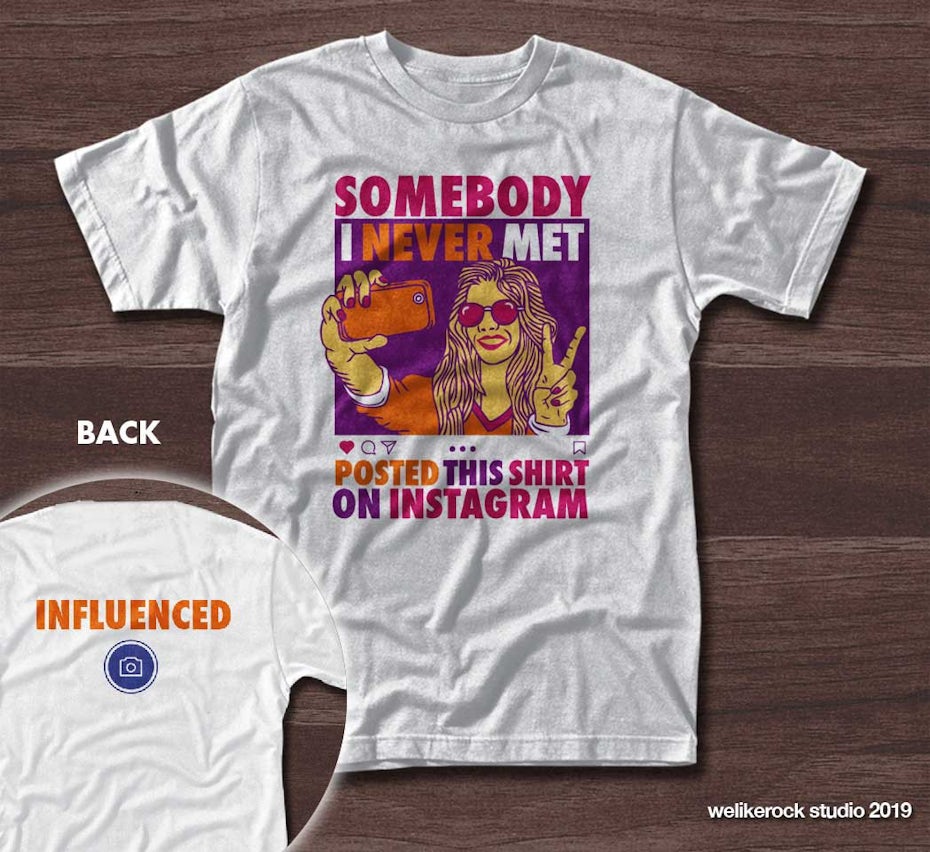
t-shirt with a colorful design of a woman taking a selfie
Influence your audience through strategic partnerships. T-shirt design by welikerock

Stay in touch to keep making sales

Successfully marketing your ecommerce store doesn’t end with your first marketing blitz. To keep selling and reaching new buyers, you need to continually engage with your audience. There are lots of ways to do this, like posting on social media, partnering with influencers and sending email newsletters. For a lot of ecommerce brands, successful marketing means using all three of these strategies.

We’ve published blog posts about marketing your online store before, so take a look at these as you move forward:

Not sure which marketing step to take first? Before anything else, establish and flesh out your brand. Once you’ve got an ecommerce brand, you need an ecommerce logo. Check out the awesome ecommerce logos our designers have created to find inspiration (and a designer!) for yours.

Need help branding your business?
Our designers can create the perfect look for your brand.

The post How to start an online store: the ultimate guide appeared first on 99designs.

Tuesday, August 25, 2020

How to develop a successful social media strategy in 7 simple steps

“Strategy” may sound formal and calculating (and a strange companion for “social”) but a social media strategy is really all about making decisions ahead of time so that the time, money, and labor you put into your content will pay off.  Your social strategy provides the framework for a decent first impression. Imagine your brand is about to go to a party. Your strategy would be which outfit you choose and why, what bottle of wine you decide to bring, how you approach small talk, and which hair metal 80s song you memorize to later slay at karaoke.

Illustration showing follower characters reacting to social media content with likes and emojis
A great social media strategy is what ultimately gets your followers talking. Design by OrangeCrush

To make sure your brand is the life of the party, we’ve put together this guide to a winning social media strategy. We’ll cover how to develop goals, how to research your audience and competitors, and how to plan great content for social media.

1. Develop a social media mission statement

It all begins with the question: why do we need to be on social media?

These days, there’s no reason not to be on social media if you’re a business. But that does not mean you should start social media accounts for the sake of starting social media accounts. To be successful, you have to be able to first articulate how exactly you expect social media to contribute to your success.

Put another way, ask yourself: what problem are we trying to solve? Do new promotions and campaigns not seem to reach enough people? Do sales numbers need a boost? Is your brand personality not as clear as it could be?

Purple marketing logo design of a laptop with a target and arrows
A mission statement gives you a big picture target to aim for. Design by Znik

Starting with questions like these allows you to set big picture goals. This can also come in the form of a mission statement, a concise description outlining your objectives and how you will use social media to achieve them. As your strategy evolves, your goals will become finely tuned and specific. But a high level mission statement like this gives you a big target towards which steer all the moving parts of a social media campaign. Now, let’s look at how to construct goal statements like this in more detail.

2. Set SMART social media goals

A time-honored framework for articulating goals is the S.M.A.R.T. system. It involves setting goals that are…

  • Specific. The goal has a specified process, audience, and expected outcomes.
  • Measurable. The goal includes numerical means to track and compare progress.
  • Attainable. The goal is reasonably within your business’s capabilities.
  • Relevant. The goal advances an aspect of your overall business strategy.
  • Time-bound. The goal has a start and end point.

This means that instead of, “We want to use social media to get more followers who will buy more of our products!” you say something closer to: “We are going to develop X number of content pieces on these topics to target these customers (specific) over X number of months (time-bound) to increase our sales for X product X% (measurable, attainable) over last quarter (relevant).

Illustration of a medieval character writing an idea on a scroll
Goals must be articulated in order to become more than ideas. Design by Evelyne Krall

While the particular goals that you set for social media will depend on your brand and business strategy, here are some common uses social media can serve:

  • Sales conversion: Strategy focused on improving sales.
  • Audience growth: Strategy focused on creating new followers.
  • Brand awareness: Strategy focused on establishing or spreading information about a brand.
  • Brand perception: Strategy focused on positively influencing the conversations people have about a brand.
  • Customer engagement: Strategy focused on creating dialogue and brand advocation amongst customers.
  • Customer support: Strategy focused on providing assistance and answering customer questions.

3. Define your target audience

By now, you should already have researched your target (and actual) audience for your overall business. If not, here’s some tips on defining your audience.

While your social media followers will factor into your larger audience, you should not assume they are the same (or even the same for every social platform). They may represent a cross-section, a more niche selection, or even an unexpectedly different audience altogether. In order to create the kind of content that will meet your goals, you’ll need to research who exactly this content is for.

Flat design illustration of multiple business characters
By Bonographic

Each social media platform has its own user-base and trends, and most of these have been heavily documented over the years. For example, sites like Statista provide comprehensive, up-to-date statistics on topics like social media marketing. Though not as thorough, industry content providers like Hubspot, Hootsuite, and Sprout Social also round up demographic statistics for free.

If you already have social media accounts, you should also research who is currently following you. Each platform will have its own analytics tools that can pull information about your followers from their profile data (google the platform with the term “for business”). Otherwise, tools like Hootsuite can cross-reference follower data from all of your linked social accounts.

Infographic design showing age demographic statistics for social media use
By maleskuliah

As with any social scenario, there can be a lot of stereotypes about the types of people who participate on certain platforms (one of the most common: that newer apps are automatically only for tweens). As a business, it is your responsibility to base your strategy on real data.

Once you have collected all of your findings on your audience (both current and potential) into one document, you can make decisions about what portion of them you want to target based on what will help you achieve your goals. Some questions to ask are:

  • What common demographic information do we know about our customers?
  • What platforms do they commonly use and how?
  • What are they looking for on social media that we can deliver to them?

As your final step, it is important to create personas that represent different sections of your target audience. Demographic information can help you to understand your audience’s income, location, habits and values, but it tends to be a cold and clinical way of thinking about people. Social media is about creating conversations, and it can be hard to do so with statistical data. Personas help you to visualize the actual people you are looking to connect with, and to brainstorm how your content will meet them along their buyer’s journey.

4. Choose the best social media platforms for your brand

There are dozens of popular social media apps that your brand could take advantage of. Because it can take a lot of time and money to get the most out of any platform, you need to dedicate your business resources to the platforms that will give you the most return on investment, or ROI.

Illustration doodles of social media icons
By Ana Den

Start with your existing accounts if you have them. Assuming that you now have a better sense of your goals and target audience, you can honestly evaluate whether these specific platforms are right for what you’re trying to accomplish and, if so, how effectively you’ve been capitalizing on them. This is known as a social media audit, in which you create a document to analyze your past content performance, giving you a place to start for future growth. To perform an audit:

  1. Document all of your accounts (note relevancy, when it was last updated, brand consistency and the profile page setup)
  2. Evaluate your audience and following (as outlined in the previous section)
  3. Analyze the performance of your content (as compared against your goals)

Beyond existing channels, research potential new channels to add. Your options will be based on the audiences those platforms cater to as well as the types of content that performs well. Each channel is typically made for specific content (Instagram is generally for image based media, YouTube is for videos, etc) which any time spent on that platform observing user generated content will tell.

Lists like these also collect common social media trends and user behavior that can play into your goals. For example, Instagram is the most popular platform for collaborating with influencers, and paid ads tend to perform better on Facebook. Though there are usually ways to include atypical content on any platform, playing to the platform’s strengths will make your life easier.

Social media banner and profile design
By Artcher™

With all that said, the most popular social media platforms by far are Facebook, Twitter, Instagram, and LinkedIn. Although you don’t have to invest heavily in these platforms if they don’t suit your goals, having an account set up on all of them is recommended. Not only are they the most common places people will look to interact with your brand, they often rank high in search engine results.

5. Research your competitors and other user generated content

The great thing about a social media strategy is that you never really start from nothing. Each platform is full of brands whose strategy is on display for you to admire and learn from—provided you know what to look for.

Illustrations showing different sport athletes
Competition is a key component in any social media strategy. Design by ANDREAS STUDIO

The most important user content to analyze is that of your competitors. Although you don’t have access to their analytics, likes and shares can reveal reach and visibility, and comments can show how effective their content is at sparking conversations. Similar to your own social media audit, you’ll want to document your competitor’s social media activity across different channels, paying attention to the kinds of content they are producing, how that content is received, and how they interact with their followers (for insight on metrics to track, jump to step 7).

Tools like Hootsuite and its integration Brandwatch can allow you to search for your competitors by name and monitor what people are saying about them on social media, who their top followers are, who is advocating for them, which can help you determine the effectiveness of their content. There are also a lot of free resources for industry analysis, including Buffer’s annual State of Social, which can show you the percentage of brands that adopt particular strategies.

A featured image of the award winning seelikemenna social media campaign
Brands can get social media inspiration from sources like the Webby Awards, where the seelikemenna campaign was recently highlighted for using creative photography to help social media users see the world through the eyes of a visually impaired paralympics competitor.

Beyond your competitors, it is also important to make a list or moodboard of general social media accounts that you like. What campaigns speak to you and your team on an individual level may not always align with one another or even fit within the context of your brand. But this offbeat inspiration can end up being the secret ingredient that turns your content into something special. A great source for this are industry awards, such as the Webbys and Shorty Awards, which round up excellent social media campaigns and content examples yearly.

6. Create a content pipeline for each social media channel

Knowing your goals, target audience, platforms, and competitors is all well and good. But the day-to-day content you post is where your social media efforts will succeed or fail. The good news is that your strategy can account for a sustainable plan to create and deliver content.

Keyword research can give you insight into the topics people are interested in. This means using a tool like Google Trends to see what search terms users are commonly using when researching a subject. You can cross reference this with the platform’s analytic tools to highlight specific trending topics on social media. Doing so can show you what questions users have, and you can brainstorm ways to meet those needs with your content.

A series of colorful Instagram content designs for a produce market
By Alshimaa Mou

Next, you should create a content calendar, essentially a schedule for developing and publishing content. A good content calendar will account for every step in the process, whether you’re producing blog articles or tweets. You should set deadlines for briefing, copy expectations, graphic design assets and editing. We use CoSchedule for our content, but there are many good content and social media scheduling tools out there and if you’re in a pinch, even a spreadsheet can work. What matters is that you are able to evenly distribute your workload and monitor deadlines.

When it comes to creating content, it is not uncommon for businesses to supplement their in-house talent with freelancers. Writer platforms like Contently can be a source for finding freelance copy and blog writers. Having great visuals is crucial for social media, so working with a graphic designer can take your social channels to the next level. For all your design needs, 99designs offers a global network of creatives for hire. You can browse designer profiles, narrow your search by style, price point, and availability, and find the perfect freelance designer for your needs. You can conduct feedback and secure payments all in the project workspace.

Because your strategy will evolve over time, a great benefit of sites like these is that they give you access to a varied range of freelancers to help support your changing needs.

>> Check out our complete guide to social media design

Illustration showing people working with data
By Daria V.

7. Adjust your social media strategy as you go

Social media posts tend to have a lifespan of a few days at best. The speed with which your social media posts generate results lets you to quickly identify what works and what doesn’t and adjust your strategy accordingly.

A high number of likes is never a bad thing (especially when it comes to boosting your post’s ranking), but remember that it doesn’t take much effort for users to like or even share a post. Many do so while passively scrolling, often forgetting the post within the next few seconds as new content takes its place. In addition to likes, there’s a wide variety of metrics that you can review to monitor how you’re performing (social media platforms and management tools can help with that). Here are some of the most helpful:

  • Impressions. This is the amount of people that see your content. While not the most helpful on its own, you can compare it against many of the below metrics.
  • Approval. The number of likes a post gets compared to your total follower count, showing you what portion of your audience is paying attention to and approves of your content.
  • Mentions. This is who mentions your brand by name, whether directly (with an @ or comments) or indirectly. Indirect mentions are a useful way of seeing how people are talking about your brand naturally to their friends.
  • Shares. This is the amount of people who share your content with their friends, adding to its viral potential. It involves reviewing not only the specific number of shares but the size of the audience of each sharer.
  • Follower growth. This is the rate at which you gain new followers, and it can show you how effective your content is at expanding your audience.
  • Conversion rate. This shows the rate at which a social media post leads to a purchase, often using a URL shortener to track clicks. It is helpful to compare this to the number of impressions or views.
  • Click-Through-Rate. This is the rate at which people click through to see additional content, such as a blog article.

These metrics can help you understand what works, what your audience likes to see from you and whether your social media strategy is moving in the right direction.

Logo design showing a camper vehicle following data
By R A H A J O E

Analytics are not the only changes you will have to keep your eye on. As much as your strategy might try, you can never predict what trending topics people are interested in talking about. Relevancy is important for keeping up with the conversation on social media, but you should also be wary in your approach to trends. Your brand can easily come off as tone deaf if you’re riding the coattails of popular memes or thoughtlessly capitalizing on pressing social issues. Pick your battles carefully—not every conversational trend needs your input.

Remaining genuine is key here: your brand personality will guide whether or not you have something substantive to offer a trending topic.

Make social media strategy a habit

Although it is impossible to predict where any conversation will go on social media, a strategy is what prepares you to present your best self. And of course, making a strategy is not a one-time event. If your strategy does not at first yield you the results you want, there’s nothing stopping you from periodically revisiting and revising it.

While strategy is helpful for success, attractive content is where your brand will sink or swim in the waters of social media. If you want the kind of posts that make followers pay attention, a professional designer is a must-have.

Boost your social game with the finest social media design
Our social media designers can help you get your message out.

The post How to develop a successful social media strategy in 7 simple steps appeared first on 99designs.

Thursday, August 20, 2020

Coffee branding basics: how to create a brand for your brew

Coffee branding is everywhere. If you ask any functioning adult how they start their morning, chances are they’ll say with a little slice of heaven, eg. a steaming cup of coffee.

From lattes to long blacks, there’s nothing that people feel more passionate about than their Java. In fact, for years, we’ve been fighting over which city brews the best beans (my vote’s with Melbourne and Vienna—don’t @ me!).

Coffee branding illustration
Illustration by OrangeCrush

It’s no surprise that most people have such a fanatical response to coffee, with over 173 million bags of coffee being consumed worldwide, every year. And with 75% of Americans consuming all their caffeine in the form of coffee and most adults spending an average of $2,000 a year on coffee alone, it’s clear that the coffee industry is a highly saturated market. Which is why it’s more important than ever to stand out from the caffeinated crowd and get your coffee branding on point.

Nailing the coffee branding basics will help you tell your coffee brand’s story purposefully and with direction, build an emotional connection and instill confidence in your future coffee consumers. So, let’s get brewing, shall we?

Coffee branding basics

Before we dive into branding your cool coffee business, it’s important to understand branding basics. Why we do it, how we do it and how to get it perfect. We suggest you explore these areas before you get started:

  • Your values. Do you make ethical and environmentally friendly coffee? Or are you grinding beans for the masses? Understand your values before you start branding.
  • Your buyers’ values. Do you know who your customers are? What sort of coffee do they drink? Are they millennials (48% of them drink gourmet coffee as their caffeination of choice) or are they Baby Boomers who prefer a classic brew?
  • Where your brand fits into the industry. Is your coffee expensive, cheap or similar to competing products—and why? Is it accessible everywhere or can you only find it online or in luxe, gourmet coffee stores? Who is your coffee’s target market?
  • How your coffee stands apart from its caffeinated competitors. Is your coffee company a not for profit?  Is it subscription based, so you can get your morning brew every month without leaving the house? What separates your coffee from the rest?

3 steps to percolating your coffee’s unique brand and identity

Bean Bandits coffee roasters
An impressive coffee branding design by Thio

1. Create a fresh strategy for your coffee brand

Before you ask the big question: how do I brand my coffee company? pose a more specific inquiry: who is your coffee as a brand and who do you want to be? If your beans are sourced in an eco-friendly manner, do you want to be classified as “hippie” or “earthy”?

If not, what are some things you can put in your brand strategy to avoid being put in that crunchy box? Some questions that can help: What is your brand’s purpose, beyond just profit or product? What difference does it make that you as a coffee brand exist?

Your freshly brewed branding strategy should contain detailed goals including:

  • Who you are as a coffee company
  • Which target market you are trying to reach (eg. millennial gourmet coffee consumer or mainstream coffee drinkers)
  • What sort of coffee you offer (Fairtrade, instant etc.)
  • Where you sit amongst your coffee competitors

Your coffee brand strategy helps to inform your business strategy. This means that your purpose and values directly reinforce the culture of your company and brand.

Take Zenbunni. The company’s site visibly outlines their brand’s mission and set of values. “Our coffee is roasted to our exacting specifications in coordination with a family run roaster that works exclusively with Organic and Fair-Trade Coffee Farmers. We roast with the goal of retaining the abundance of antioxidants that are so often diminished in traditional roasts. These preserved nutrients protect against the cell damage and inflammation that are often the root of chronic illness.” Bam. Doesn’t get more clear than that.

ZenBunni Coffee
A unique coffee brand via Zenbunni.com

2. Check out your caffeinated competitors

To best position your coffee brand in the highly saturated caffeinated market, create buyer personas and identify your competition. A buyer persona is a fictitious character made up of the statistics and beliefs about your target customers. For example, what sort of coffee do they drink? When do they drink it? Where do they buy their coffee? How old are they and what social media channels do they use? Understanding these things can help you enhance your branding choices.

Understanding your competition is also key. How can you create a place in this overwhelmed java market? Competitor research is critical for designing your branding and honing your tone of voice. And while it’s good to be different, you still need to make sure you work within the parameters of the coffee industry.

For example, you may notice that a lot of coffee brands use the color brown in their branding. This is because brown is a sign of security, structure, support, warmth… and coffee. If you use a bright color in your coffee branding, you may stand out from the competition, but it might also alienate your target market.

Brown colored coffee branding
Brown colored Cafenated Coffee branding by spoon lancer

3. Brew your brand identity

Your brand identity will bring your coffee brand to life. Some features of brand identity include:

  • Brand name. What’s your coffee brand called? A great example of a Java brand name that works well for brand identity is Koffee Kult. It’s instantly recognisable and makes you feel like you’re part of a club.
  • Tone of voice. Ask yourself, how would your coffee brand talk if it were a person. Your tone of voice will be reflected through all your communications, from your customer service to your social media to your product description. Starbucks is a good example of a unique and easily identifiable tone of voice. They always speak in an informal and friendly manner and have become known for the exclusive way they label their drinks and encourage people to place orders. This distinctive tone of voice has added to the Starbucks coffee culture.
  • Logo. One of the most exciting parts of the coffee branding process is designing your logo! It’s something that your customers should instantly recognise and drives the rest of your branding. I like the Golden Lemur coffee logo, as it instantly evokes energy, which is what coffee is meant to do!
Golden Lemur Coffee Branding
Golden Lemur coffee branding by Gabriela Gaug

3 types of coffee branding that we love a latte

1. Nostalgic coffee branding

The love of coffee is as old as time, and a great way to demonstrate this is through nostalgic coffee branding. Try speaking to the heritage of coffee in your product information, and use classic imagery like potbelly stoves, old-fashioned coffee grinders and vintage drawings of coffee beans in your designs and logos.

Nostalgic Coffee Warehouse Branding Nostalgic Coffee Farmhouse Branding Nostalgic Coffee Silo Branding

2. Peppy coffee branding

Everyone’s happier once they’ve had their morning coffee. Remind your customers of this with a friendly and chipper tone of voice and use people’s faces in your design and logo. A smiling mascot will give your coffee branding an uplifting, approachable feel.

Peppy Vintage Coffee Shop Logo Mama Bear’s Play Cafe Logo Neuro Coffee Branding

3. Global coffee branding

Coffee plants are grown all over the world, particularly South America, the South Pacific and Africa. Use your coffee brand to tell people of the source of their beans through typography and visuals that remind your customers of its country of origin.

Global Refuge Coffee Branding Trade Winds Coffee Branding sloth Coffee Branding and logo

Create your own coffee branding success

Whether you’re thinking about starting a coffee brand from the beans up, or you’re looking to revise your existing brand, these steaming hot tips will be sure to help you along the way.

If you’re looking to nail your coffee branding, remember to percolate your coffee’s unique brand by creating a fresh brand strategy, checking out your caffeinated competitors and brewing your own brand identity. Plus, if you’re looking for specific coffee logos and branding ideas, why not try nostalgic, peppy or global coffee branding to get your creative juices flowing.

Need help brewing your own coffee brand design?
Our designers can serve up the perfect look for your brand.

The post Coffee branding basics: how to create a brand for your brew appeared first on 99designs.

Monday, August 17, 2020

Working with clients remotely: 5 tips for better collaboration

Most freelancers took advantage of remote collaboration before COVID, but now (at least for the time being), establishing remote relationships with clients is a virtual certainty. While the client dynamic may have changed for some, the goal of collaborative projects—building a strong client relationship and delivering meaningful work to earn repeat business and win referrals—remains unchanged.

Remote collaboration is an art form every freelance designer needs to master. In this article we’ll explain how freelancers can collaborate successfully with clients in a remote setting—and turn a one-off assignment into ongoing work.

illustration of designer working with client
Collaboration is an art form every freelance designer needs to master. Illustration by felipe_charria

Tips for successful remote collaboration with clients

1. Collaboration begins before the creative

The era of COVID-communication has thrust remote workflows upon everyone, and those who thrive during this time do so because they know how to build a healthy client relationship regardless of how many miles and screens separate you.

Communication can be thought of as two key points: what’s being discussed, and how you’re discussing it. Establishing the “How” starts by providing clarity from day one on how scope, thoughts, feedback, and progress will be communicated and leads to the remainder of your engagement (and future engagements) falling into place naturally. Vocal communication, be it a video call or a phone call, always bears a personal touch as it allows for quicker, more genuine conversation, which will help you learn more about your client and needs.

To make remote communication easier, be sure to let your client know how and when they can reach you and how long it usually takes for you to respond. That way they know what to expect and feel reassured if you don’t respond within five minutes.

2. Set clear expectations

During your first conversations, it’s important to be completely honest and transparent with your clients. Ask them directly about what working process they would like, and agree on how you will proceed together. Keep in mind that some clients do not have experience with creative processes. So, this might be the first time they are doing it—and will need your help setting the field. It’s also important to come from the discussion with clear confines of the project.

illustration of people with checklists
Always set clear expectations and put everything into writing. Illustration by felipe_charria

Of course, while this is also a good time to discuss scope or feedback, anything pertaining to your arrangement should always be presented (even if as a follow up) in writing too. This way, you will establish expectations between your client and yourself, which is the foundation of delivery and lets you focus on the key aspect of the relationship—the “What.”

As you’ve probably realized, your client probably doesn’t know exactly what they want (that’s why you’re here), but they probably know what they need. It’s your job, through expert communication, to help them congeal their thoughts on how whatever you deliver will speak to their brand and resonate with their target demographic.

3. Do your homework and understand your client’s needs

Usually, you will want to anticipate what your clients will want—but it’s important not to assume anything. So, before meeting with your client, do your homework. Explore the market and look at the burning problems in your client’s niche. Then, try to work on the solutions for them—however short they might be. This way, when your clients presents you with a problem, you will already be ready. Conversely, you can take the initiative and guide the conversation—thus showing you are thinking about problems that will come along the way as well!

Furthermore, asking them for examples from other brands will help you get a sense of your client’s taste, point of view as well as the audience to which they’re looking to appeal. Done effectively, this will minimize rework and iterations as you’re closer to the target on your first shot.

4. Use feedback to your advantage

That said, revisions and scope changes are all part of the process, which is why having a process to handle them will keep expectations aligned and the relationship healthy. First, you need to learn how to listen actively. This means not only to hear your client, but to work on understanding what they are saying. When you get feedback from them, think about what it means—what do they want? Work through it and ensure that you understand them by checking in with them.

It is also imperative to distance yourself emotionally from the feedback as well. Especially during creative projects, freelancers can become connected to their work. This can cloud your judgement and lead to perceiving any feedback as offensive—which is important you don’t do! Keep a clear head and understand that this is business. Instead of being insulted, try to understand why your client was not satisfied with the work. If you need to, ask them more questions to find a solution you can both agree on. Try to put yourself in their shoes and look for the underlying issue.

5. Put everything in writing

You should also clearly outline what needs to be done, what exactly you agreed upon, how that expands the previous scope, and solicit the client’s approval (all in writing) to keep your workflow neat and avoid misunderstandings.

Don’t be afraid to over-communicate. In a remote setting it’s better to communicate more rather than less. That way you will both be on the same page at all times—and your relationship can keep growing and develop into an ongoing one.

Turning a successful engagement into ongoing (and additional) work

Illustration of person working on computer with items floating around
By getting creative, understanding their needs and developing a great relationship with your client, you’ll turn an assignment into ongoing work. Illustration by mspasova.

Every freelancer’s best case scenario is to build a relationship with their clients that extends beyond the initial design or development scope into an engagement where they continue to do ongoing work as the product or clients’ needs develop over time.

For example, before I was a part of Nifty, I was a freelancer designing websites for local businesses in my community, my goal was to show value I could provide to potential clients since the very first meeting. One of the clients was a small audiology practice in New York that needed a very basic website, nothing much more than a landing page.

However, I showed my interest in the client’s business. I tried to understand what they were going through and why they needed a landing page. More importantly, I tried to figure out if they needed a landing page—or additional content as well. Then, I talked with the client about their goals, going through the steps described previously. This way, I was able to build a strong rapport with my client.

By developing an excellent relationship, I was able to extend my value to the client by maintaining the website, which led to launching a new ecommerce channel to sell hearing aid batteries spearheaded by a weekly content strategy. So, in essence, my creativity and anticipation of my client’s needs lead to additional working opportunities to work on developing another part of her business.

Efficient collaboration and understanding the clients’ business and future needs is what caused this engagement to be so successful, because I not only solved the initial problem I was tasked to do but extended my value into other areas of her business. This client’s happiness showed even greater dividends by her referring me to three other small businesses to help with similar digital transformation and design efforts.

Final thoughts

Transparency, creativity and efficiency are some of the most important skills of successful freelancers. However, very often it is the simple things that tend to get overlooked such as the basic scope of the project and understanding the needs of your client. Look to leverage your entire skill set through proactive and consistent communication to expand scopes in your favor and win referrals down the road.

About the author

Samuel Goldstein is a member of the marketing team at Nifty PM and is passionate about all things product and growth. In his spare time, he loves playing sports and doing anything outdoors.

The post Working with clients remotely: 5 tips for better collaboration appeared first on 99designs.